Bajaj Auto has also launched a radically new model in the commuter motorcycle segment, the Bajaj Freedom 125, the world’s first factory-made CNG motorcycle.
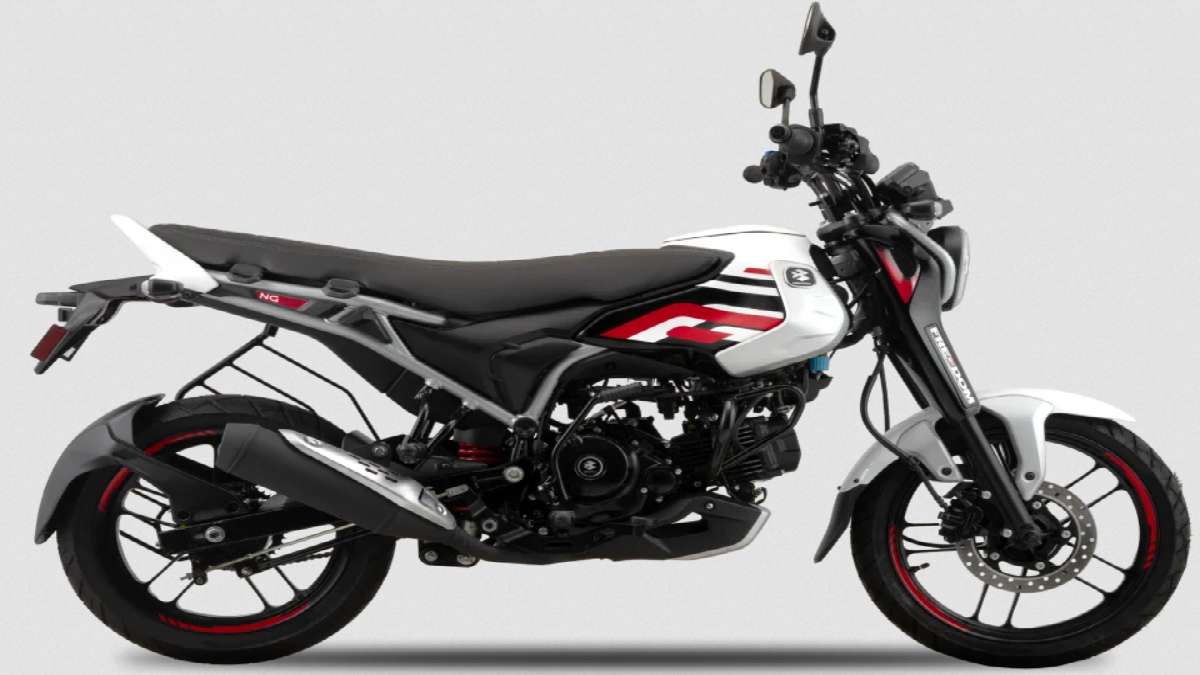
Instead of just putting the aftermarket CNG kits fitted onto regular petrol bikes, the Freedom 125 is engineered from scratch around its twin-fuel system. The motorcycle features a 2 kg CNG tank, a 2-litre petrol backup tank, and a 125cc engine, providing riders access to an alternative cleaner alternative to petrol commuters, who find fuel prices more volatile than ever.
The Freedom 125 is available in three models, from ₹91,566 to ₹1.10 lakh (ex-showroom). Electric two-wheelers are growing in popularity, but infrastructure for charging vehicles across many smaller cities and towns still lags. Bajaj seems to be playing in a space between petrol and electric mobility by providing a motorcycle that runs more cheaply, instead of charging stations.
But whether the bike can even be practical entirely hinges on whether CNG pumps are widely accessible on each passing day. A 124.58cc air-cooled engine that achieves 9.37 hp at 8,000 rpm and 9.7 Nm torque at 5,000 rpm drives all three variations of the motorcycle.
The engine is paired with a 5-speed gearbox and can slide the customer into petrol or CNG mode with a toggle switch that snaps on the left handlebar. The base NG04 Drum version has drum brakes mounted on either wheel and a halogen headlamp.
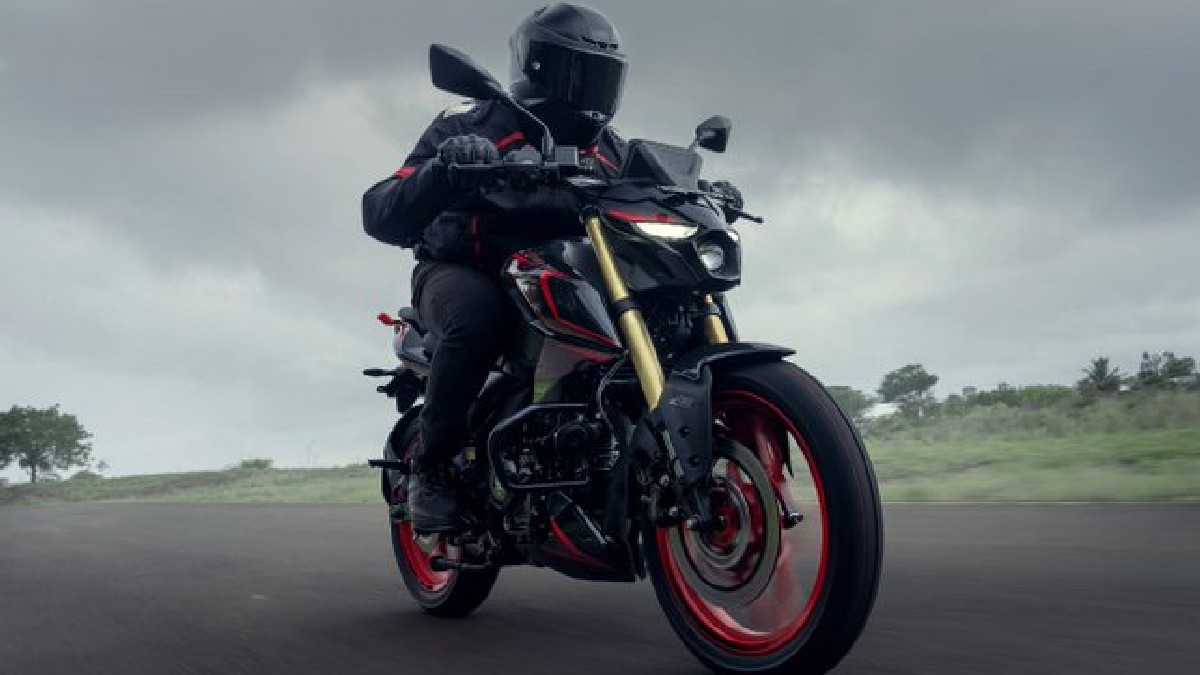
This mid-spec NG04 Drum LED variant introduces LED lighting, and the top-level NG04 Disc LED option is complete with a front disc brake and a fully digital instrument cluster that includes Bluetooth connectivity, call alerts, missed call notifications and battery indicators.
There are state differences in on-road pricing depending on registration and insurance fees. Delhi, where you can get the top Disc LED variant, will cost close to ₹1.31 lakh on-road, but Indian buyers in Mumbai will pay around ₹1.28 lakh. In most major cities, the base variant ranges between ₹1.03 lakh and ₹1.10 lakh.
A major point that buyers must pay attention to is that Freedom 125 weighs 149 kg, meaning it’s definitely heavier than the majority of petrol-only 125cc commuter-oriented motorcycles. Its extra weight comes in the form of the complete CNG cylinder, which is built into the frame.
What’s more, the motorcycle boasts a seat height of 800 mm, which is still within moderation for the vast majority of its riders. While the Freedom 125's fuel budget has made it the best possible choice, its main selling point is probably its fuel economy. Bajaj says the bike can deliver up to 102 km per kg of CNG. If riders choose to ride on a full 2 kg CNG tank, it can yield an achievable range of 188 to 202 km in genuine city riding conditions.
Adding the petrol reserve means the total riding range is around 300 km, whilst Bajaj’s stated 330 km range would be expected on highway-jumping routes. It works at low performance, as the bike can produce 90.5 kmph in CNG mode and 93.4 kmph in petrol mode. But the appeal is the extremely minimal running costs.
With CNG prices about ₹81-90 per kg in most major Indian cities and petrol in some regions being over ₹100 per litre, average daily travelling costs are nearly 50-60% less than for normal petrol motorcycles. But this advantage operates only if riders have immediate access to CNG stations.
Cities such as Delhi-NCR, Mumbai, Ahmedabad, Pune, Surat and much of Gujarat have excellent CNG networks, making it a viable option there, as the Freedom 125 allows riders to comfortably drive on their way to their trains. Outside these regions, CNG infrastructure is minimal in most parts of South India, even in smaller towns and hilly areas.
In the absence of low-cost CNG, the Freedom 125 turns into a fairly heavy 125 cc petrol bike with a just 2 litre petrol tank, not worth it for many buyers. Bajaj reportedly sold a modest 40,000 units in the initial six months since the motorcycle was released, primarily in cities where CNG infrastructure is already in place. That sales pattern reflects the type of customer this motorcycle is built for: high-mileage urban commuters with easy access to cheap CNG refuelling.