The ongoing Iran-linked oil crisis is rapidly reshaping consumer behavior across Asia, triggering a sharp surge in electric vehicle (EV) demand as fuel prices climb and economic uncertainty deepens.
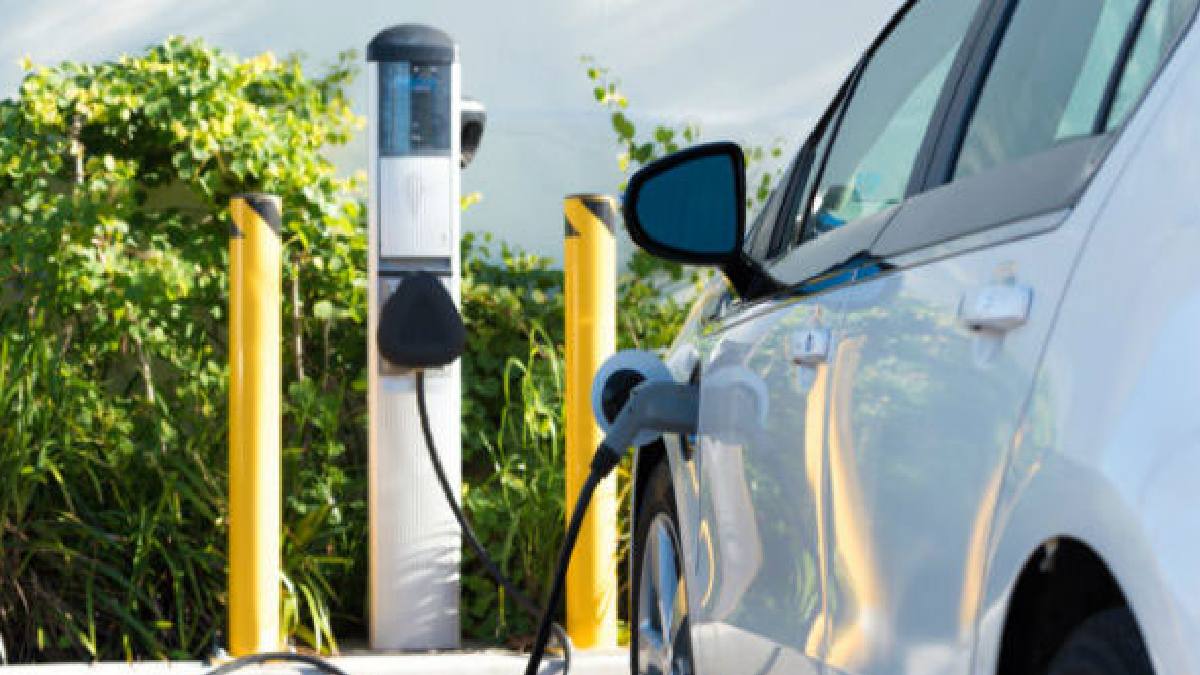
With crude oil prices rising due to geopolitical tensions in the Middle East, consumers across countries like India, Vietnam, Thailand, and Indonesia are increasingly turning to electric mobility as a cost-effective alternative to petrol and diesel vehicles. Analysts say this shift marks a turning point, where EV adoption is no longer driven solely by environmental concerns but by immediate financial necessity.
Leading this transition are global EV giants like BYD and emerging regional player VinFast, both of which are aggressively expanding their footprint across Asian markets.
According to industry data, VinFast has gained significant traction in India, even surpassing BYD in early 2026 EV sales with over 850 units sold compared to BYD’s 550 units in the same period. This reflects a broader trend of rising competition and growing consumer acceptance of EVs in price-sensitive markets.
The oil price shock has also pushed automakers to reposition their offerings. VinFast, for instance, has introduced aggressive pricing strategies and discounts aimed at attracting customers struggling with rising fuel costs. Meanwhile, BYD continues to expand globally, with expectations of increased overseas sales as energy volatility drives EV demand.
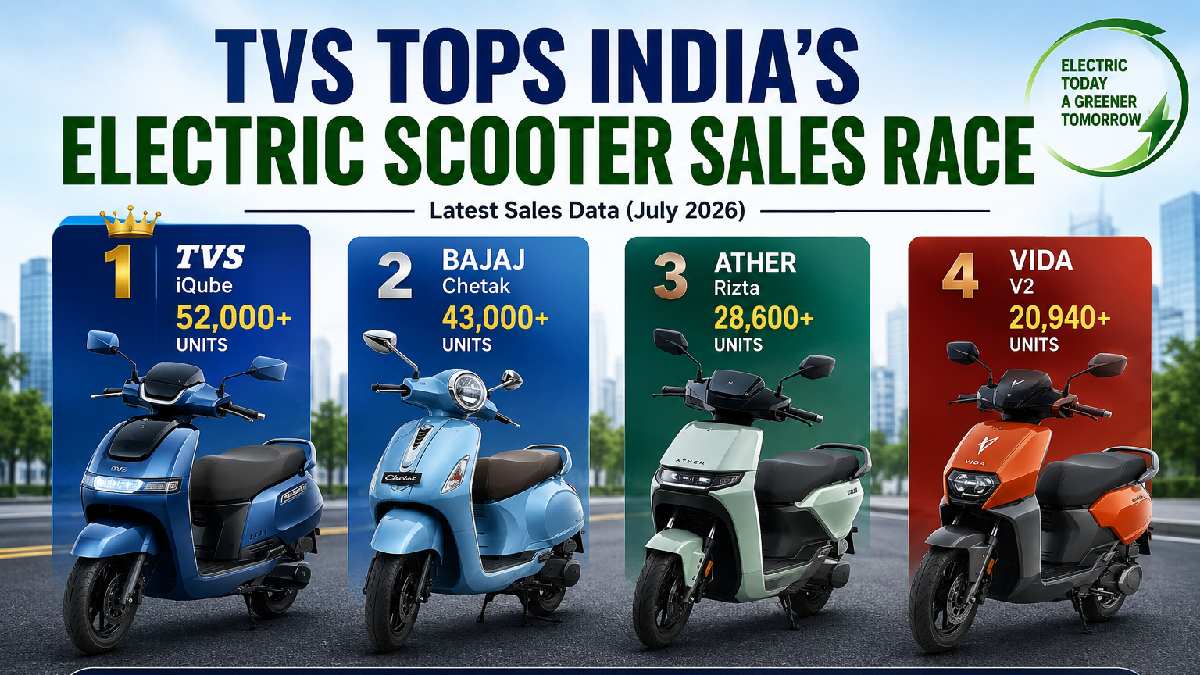
Across Southeast Asia, EV sales have already been on a strong growth trajectory, with markets witnessing over 100% year-on-year increases in recent quarters, largely driven by Chinese and Vietnamese manufacturers. The current oil crisis is accelerating this transition even further.
Governments in the region are also playing a key role by promoting electrification through subsidies, infrastructure investments, and policies aimed at reducing dependence on fossil fuels. In cities like Hanoi, upcoming bans on petrol-powered vehicles are further boosting EV adoption.
Experts believe the Iran-triggered oil disruption could have long-term implications for the automotive industry. As fuel prices remain volatile, consumers are expected to increasingly prioritize energy efficiency and lower running costs areas where EVs hold a clear advantage.
However, challenges remain. Charging infrastructure gaps, high upfront costs, and supply chain constraints continue to limit faster adoption in some regions. Despite this, the momentum appears irreversible.
The current crisis may ultimately act as a catalyst, pushing Asia toward a faster and more widespread transition to electric mobility, with companies like BYD and VinFast at the forefront of this transformation.