
With preparations for Ayudha Puja fever in Bengaluru and preparations for the festival on the rise, water supply authorities in the city have issued a stern warning about using Cauvery drinking water for washing cars, bikes and other vehicles.
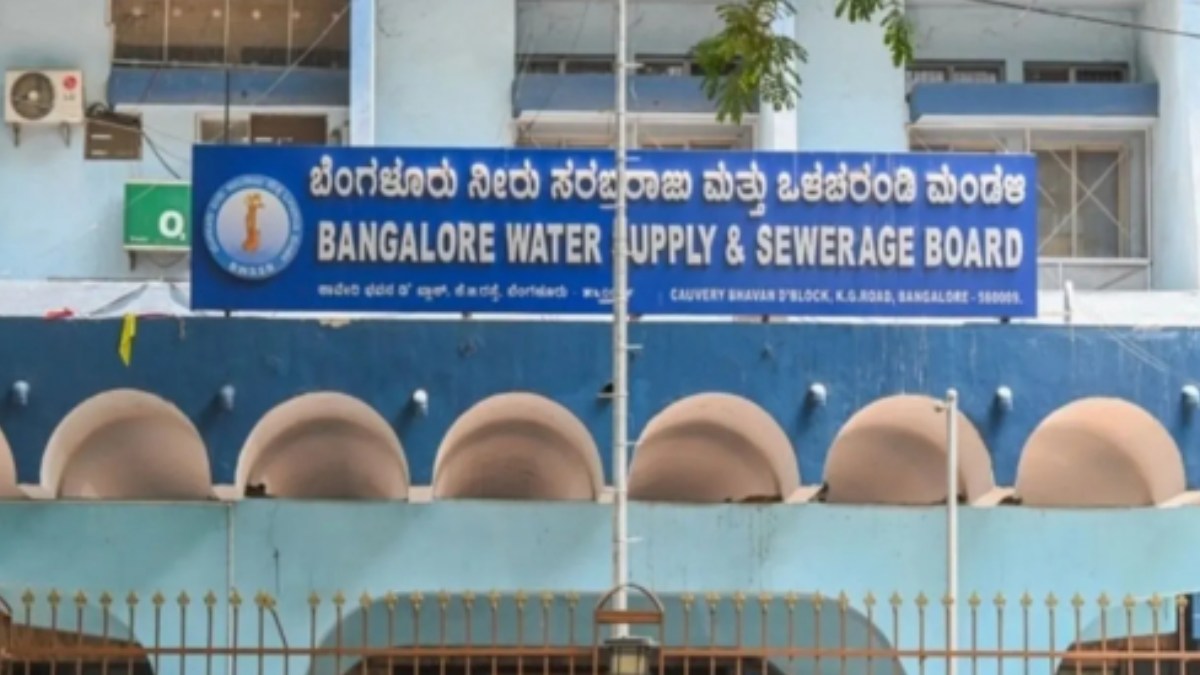
With homes, shops, factories and commercial establishments prepared to celebrate the festival, the Bengaluru Water Supply and Sewerage Board (BWSSB) has advised residents not to use treated drinking water for non-essential purposes. Anyone who violates the restrictions will be subject to a fine, with enforcement teams and marshals stationed to patrol the city during the festival period for any violation of the laws.
There are water conservation issues, and to address this, BWSSB Chairperson Manjula has said people should not use Cauvery water in the name of festival clean-up and planning, and make sure the city’s drinking water is used responsibly, she added.

Ayudha Puja is a festival celebrated across Karnataka and involves worshipping vehicles, machinery, tools, agricultural equipment, etc., for their work and income. Many families and businesses clean their vehicles, motorcycles, commercial vehicles and equipment before the rituals, and shops, factories, offices and industrial facilities clean their premises and machinery as part of the festival.
But the authorities said that this annual practice does not allow for the use of treated Cauvery drinking water. Washing vehicles with running taps can waste a lot of water, especially if the hoses are left on for extended periods. The BWSSB therefore warned residents that festival traditions cannot be used as a reason to misuse water supplied for drinking and essential household needs.
Cauvery Water Cannot Be Used To Wash Cars And Bikes
At Ayudha Puja celebrations, residents should not use Cauvery drinking water to wash cars, motorcycles or other vehicles, the water board warns. The restrictions also include the unnecessary use of drinking water for construction and other non-essential purposes, officials said. Cauvery water is primarily intended for drinking and basic domestic needs, so conservation is particularly important during periods of water stress, they said.


Many Bengaluru residents depend on Cauvery water for drinking, cooking and household activities. Water consumption in many cases is too much for the city’s water supply system to handle; excessive water consumption for vehicle washing and other unnecessary activities is also causing strain on the city’s supply system. In the festive season, water consumption is high since people clean their vehicles, homes and workplaces before puja rituals are performed. BWSSB has asked citizens to plan their celebrations responsibly and avoid excess waste.
Residents who want to clean their vehicles during Ayudha Puja should use a bucket and cloth with a limited amount of water available from a non-potable source, if permitted, rather than a running drinking-water tap. The intention is to have vehicles and equipment ready for the festival without using precious treated water.
Rs 5,000 Fine for Water Wastage
The water board has warned that violations may attract a financial penalty under Section 109 of the relevant 1964 law cited by the authorities. A fine of Rs 5,000 may be imposed on people wasting Cauvery drinking water; if the violation is repeated, the penalty can be an additional Rs 500 in addition to the initial fine, potentially increasing the total amount payable to Rs 5,500.
The authorities have said enforcement personnel will carry out inspections during the festival. Marshals and officials will monitor areas where drinking water may be used unnecessarily to wash cars or perform other tasks that are prohibited during the festival. If violations are detected, penalties may be imposed on the spot, officials said. The enforcement campaign is meant to dissuade residents from violating water conservation laws, especially in times of high demand because of festival-related cleaning.
The BWSSB Chairperson Manjula has warned residents that the board will take action against those who use Cauvery drinking water for unauthorised purposes. That's because the board is trying to ensure people know the financial implications of this before wasting treated water. Residents are therefore advised to follow the official instructions and review the BWSSB rules regarding festivals and not assume that festival cleaning is exempt.
Bengaluru Residents Urged to Celebrate Ayudha Puja Responsibly
Bengaluru’s increasing population and reliance on managed water supplies have made conservation a priority for the city in the face of ever-increasing numbers of people and limited availability of managed water supplies. Water authorities have repeatedly stressed the necessity of avoiding unnecessary consumption, especially when treated drinking water is used for activities that can be carried out with less water or alternative sources. Vehicle washing is one example of such an activity, and using running taps can lead to avoidable wastage.
The Ayudha Puja warning is also a reminder that individual actions can affect the wider community. Saving water during the festive season can help preserve supplies for households and essential services. Residents can contribute by using limited quantities of water for cleaning, avoiding running hoses and following instructions issued by the water board. Apartment associations, commercial establishments and vehicle owners must also inform residents and staff about the restrictions.
As Bengaluru gears up for Ayudha Puja, the BWSSB’s message is clear: festival preparations should not come at the cost of wasting drinking water. Violations involving the use of Cauvery water may result in fines, including the reported Rs 5,000 initial fine and an additional Rs 500 for repeat violations. Citizens are advised to follow the latest guidance from the water board to avoid fines and help conserve Bengaluru's drinking-water supply.





Comments
Leave a Comment