
Bengaluru residents who had been bearing the brunt of steadily rising rice prices have finally got some relief as Sona Masuri rice prices in the city markets suddenly and sharply dropped overnight.
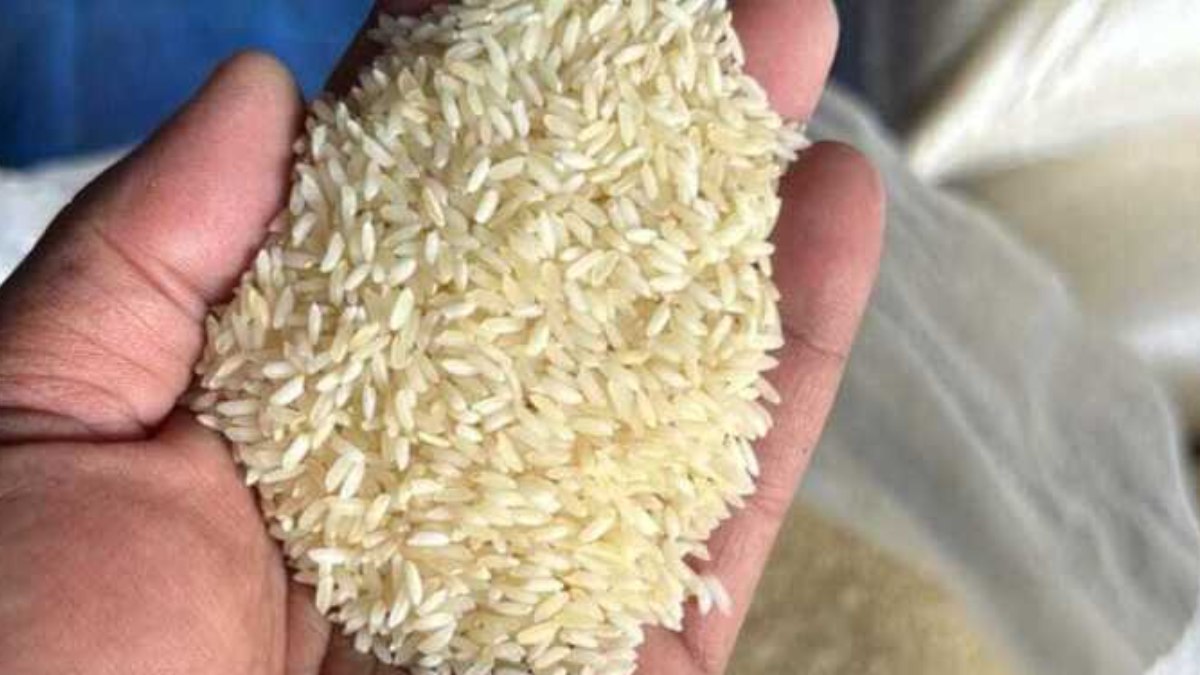
The popular variety, which had become a burden on household budgets over the past few weeks, is now available at much lower rates. Just a few days back, Sona Masuri rice was being sold for ₹80 to ₹90 per kg in retail markets, but now it is being sold for ₹65 to ₹70 per kg (a reduction of about ₹10 to ₹20 per kg).
On a bulk level, one quintal of rice, which earlier cost around ₹8,500, has now come down to ₹6,500 (nearly ₹2,000 less per quintal). The price rise earlier was due to a shortage of paddy arrivals, but that situation has eased with more paddy coming in from Maharashtra and Telangana.
With harvesting almost over, paddy is flowing into wholesale markets and rice mills in larger quantities and that has directly led to the softening of retail rates in Bengaluru and other parts of the state.
Savitri Purushottam, state president of rice mill owners’ association, told a private news channel that a fall in price would help consumers, as farmers who grew paddy were also getting reasonably good prices for their produce. She said supply was limited in Tungabhadra river belt but considerably more in Krishna river belt and now harvest is over there and paddy flow into market has made it correct now.
At the same time, she cautioned that if the government further reduces the rice stock limit permitted for mills, rice millers will find it difficult to run mills, and another rise in rice prices may take place in the coming months. So she requested the government to increase the stock limit so mills can function without any disruption.
Also chances of fresh paddy crop arriving during summer are very low, she added. So mills will have to use the paddy being procured and stored at present. This stock is enough to run mills for one year. “If there is any restriction on storage or availability of this stock,” she said, “then once again supply constraints will come in, and prices will go up.”
For now, the better arrivals from neighbouring states and the Krishna basin have stabilised the market after weeks of high rates, giving temporary but welcome relief to consumers in Bengaluru. Whether these lower prices last depends on how much paddy comes in and whether the government decides what stock limits for rice mills can store.






Comments