
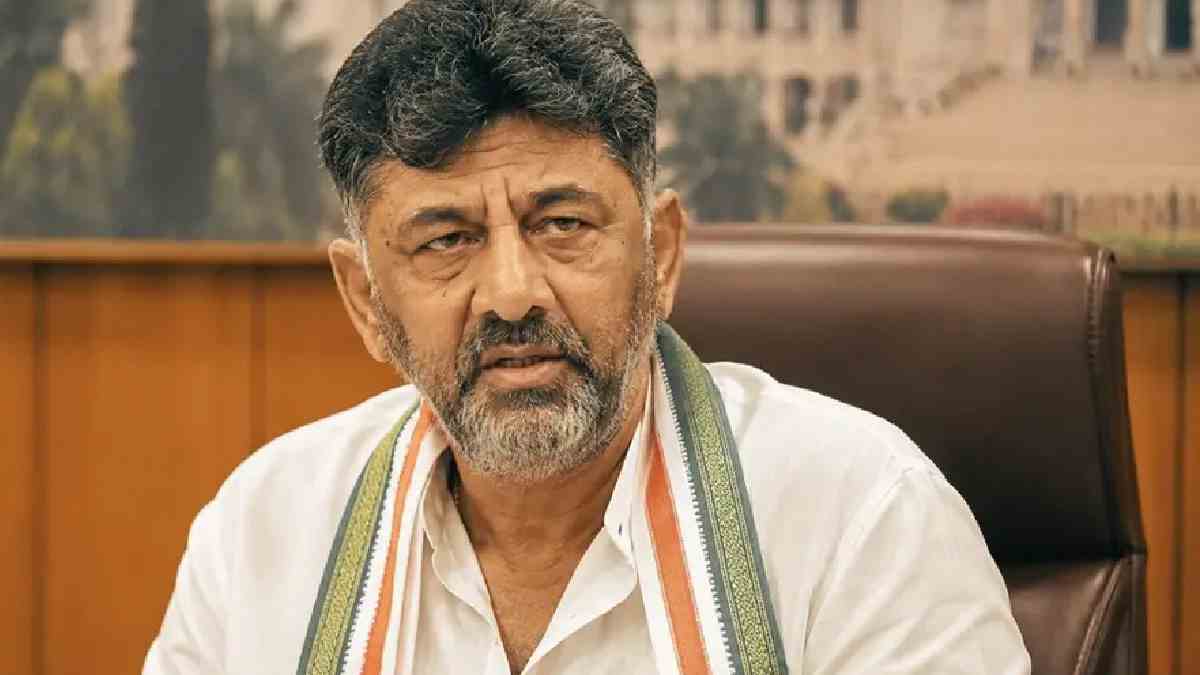
Karnataka Chief Minister D.K Shivakumar has asked MNCs (multinational companies) doing business in Bengaluru to give priority to Kannada talent when they expand their businesses and recruitment activities.
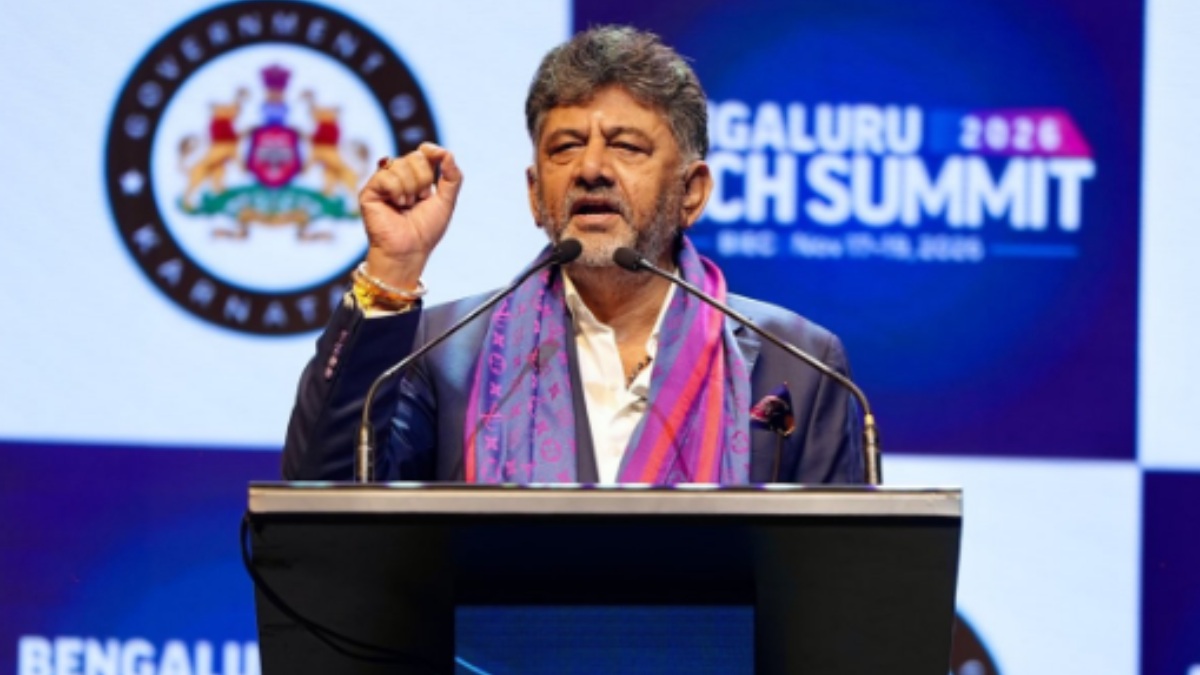
In his address at Bengaluru Tech Summit 2026 he said employment for people from Karnataka should be created and local professionals should benefit from the growth of tech sector in state. His appeal has put discussion on local employment, workforce development and opportunities for Kannadigas into focus at one of India’s biggest technology events.
The Chief Minister’s message comes as Bengaluru continues to strengthen its position as a global technology and innovation hub. Multinational corporations, startups, research institutions and technology companies are located in the city; professionals from India and other countries come here too.

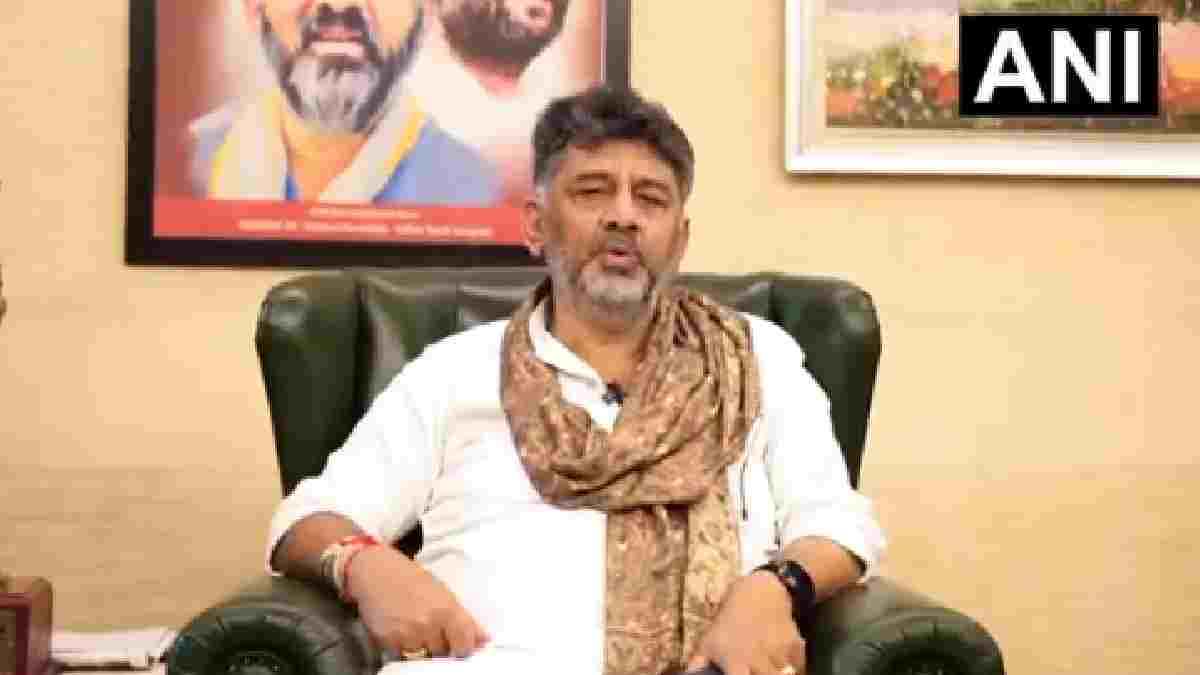
But while this growth has created jobs, the government also wants local talent to be part of the industry’s future expansion. Shivakumar’s appeal to multinationals shows how the administration is connecting Karnataka’s skilled workforce with opportunities generated by state’s technology ecosystem.
The Bengaluru Tech Summit (now in its 29th year) is being held this year under the theme ‘AI and Beyond’. Global technology companies, investors, researchers, startup founders and policymakers are coming together to discuss emerging technologies and future business opportunities. At the inauguration on Today Shivakumar said Karnataka wants to be a global destination for AI, deep tech, semiconductor manufacturing and biotechnology.
🚨 Karnataka CM Shivkumar urges MNCs to give priority to the local Kannada talent pool. https://t.co/GnF0v3BVJP
— Indian Tech & Infra (@IndianTechGuide) November 17, 2026ALSO READ
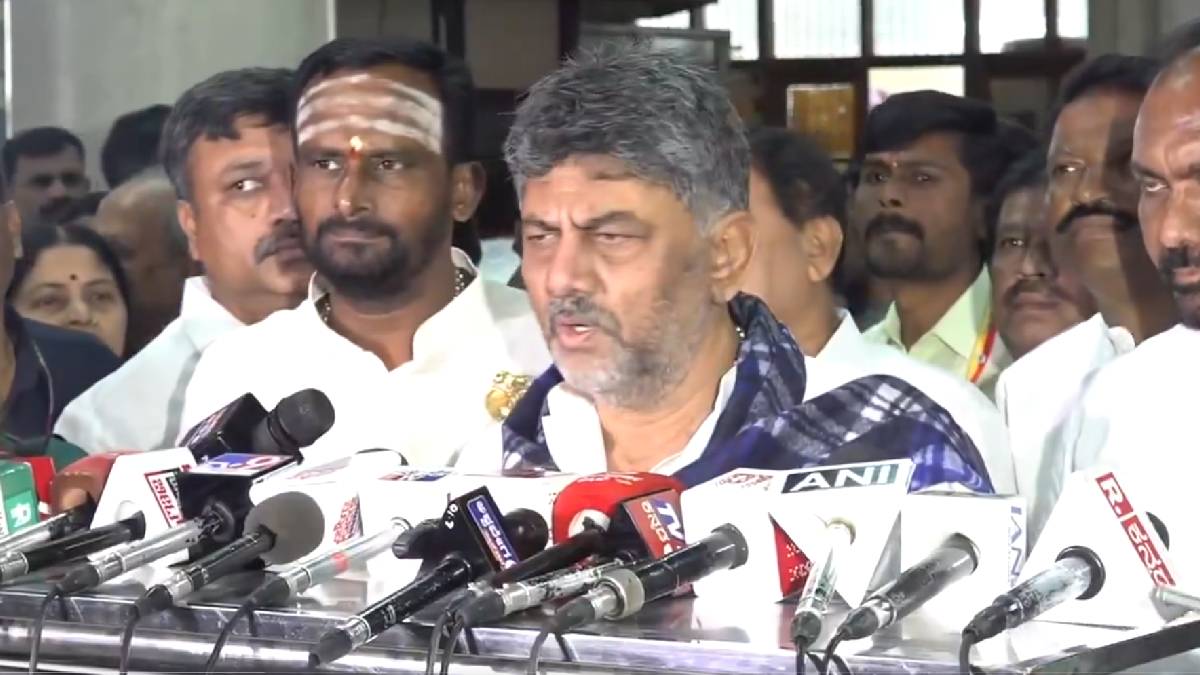
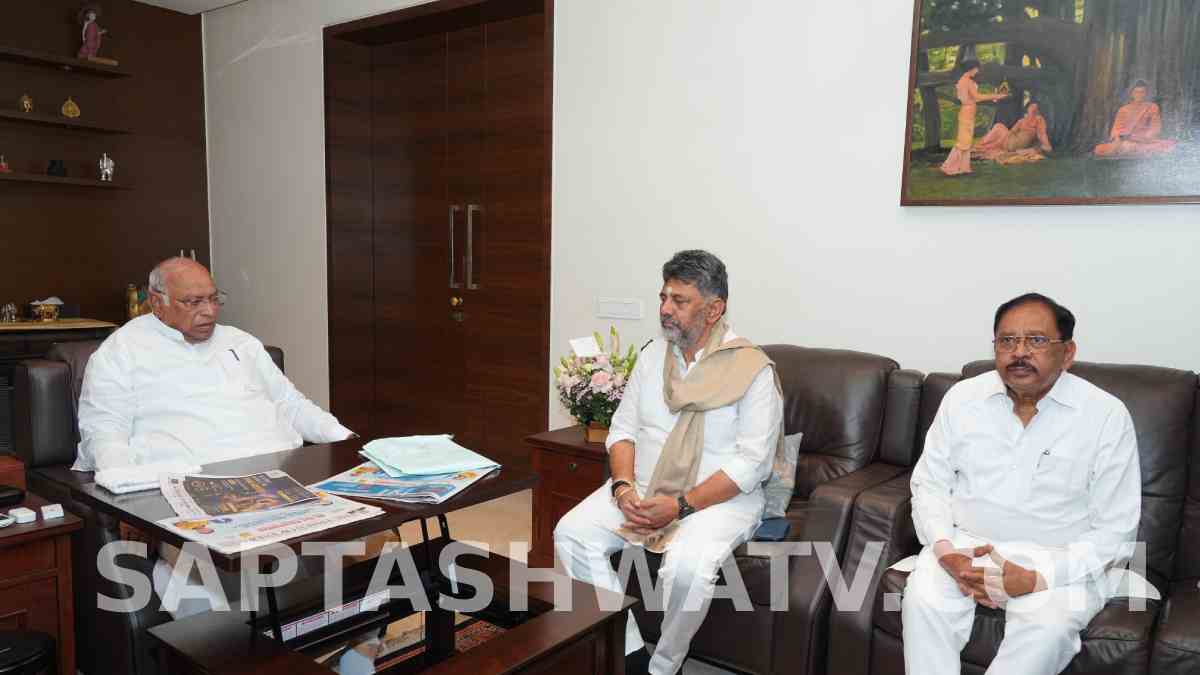
The Chief Minister’s broader message was about Karnataka’s skilled workforce, research institutions and technology ecosystem. He said Karnataka contributes to India’s software and services exports ($173 billion in the last financial year), $9.4 billion FDI equity inflows into Karnataka during first half of FY 2025-26 (26.7 per cent share of India’s total inflows) etc. These figures show how important it is for the state to attract international businesses and technology investments.
Bengaluru’s status as a GCC hub was another key point. Shivakumar said more than 1,000 GCCs had set up shop in the city and over 30 new centres invested more than $1 billion into Karnataka during 2025 alone. These companies provide employment opportunities in software development, engineering, artificial intelligence, financial services, research and other specialised areas. The government feels that strengthening local talent pipeline is key to sustaining this growth.
The discussion on employment for Kannadigas has also gained momentum after the Chief Minister’s separate appeals to multinational companies. On November 5, Shivakumar asked companies to give importance to local Kannada candidates while keeping skill requirements for recruitment intact and assured businesses that government would protect them from harassment and moral policing; they could approach government for help in recruiting skilled local youngsters.
His comments came amid a campaign by Karnataka Rakshana Vedike (KRV) which sought information on Kannadigas’ presence in IT companies, manufacturing units and other businesses; announced plans to visit more than 100 companies and technology parks to find local employment opportunities. The campaign has led industry representatives Kannada organisations and tech professionals to have discussions about recruitment and participation of locals in Bengaluru’s growing corporate sector.
Karnataka’s startup ecosystem was also cited as another big strength during the technology summit. In his address Shivakumar said there are more than 24,000 recognised startups in the state (almost two out of five Indian unicorns are from Karnataka). Bengaluru is among world’s leading startup ecosystems and has become an important centre for artificial intelligence-based businesses too. “We want to build on these strengths with financial assistance, research partnerships and policies supporting emerging tech companies,” he said.
The Chief Minister also talked about initiatives to support deep-tech startups. Under ELEVATE NxT programme eligible startups working on advanced technologies can get up to ₹1 crore equity-free grants. He said 33 deep tech startups got ₹30 crore in equity free funding since last year. The government’s Innoverse deep-tech accelerator will support 35 growth stage ventures over the next five years to move from product development to large scale industrial operations.
Artificial intelligence and semiconductor manufacturing are expected to be the two major engines of Karnataka’s next phase of economic growth. Shivakumar said the state has more than 100 fabless chip companies and Bengaluru has a large chunk of India’s semiconductor engineering workforce. “We want to move beyond chip design and grow our presence in semiconductor manufacturing also. Companies have invested over ₹23,000 crore in research and manufacturing facilities across Bengaluru and Mysuru,” he said.
For Karnataka the challenge will be to balance international investment with industry requirements and employment for local residents multinational companies need access to professionals from different regions in order to operate successfully but the government also wants young Kannadigas to benefit from opportunities created by businesses established in the state. Technical education, industry-oriented training, internships and recruitment access could help bridge that gap between local graduates and corporate requirements.
As Bengaluru Tech Summit 2026 brings global technology leaders and investors together, local employment will still be an issue in Karnataka’s tech sector. Shivakumar’s wider message is that Karnataka wants global investments but also to strengthen its skilled workforce and create opportunities for local talent. How well the state can do both may determine Bengaluru’s future as a global technology hub.








Comments