
A new push for Kannadigas to get more employment in Bengaluru’s tech sector has begun as pro-Kannada organisation Karnataka Rakshana Vedike (KRV) ramped up its efforts to get local job reservation in private companies.
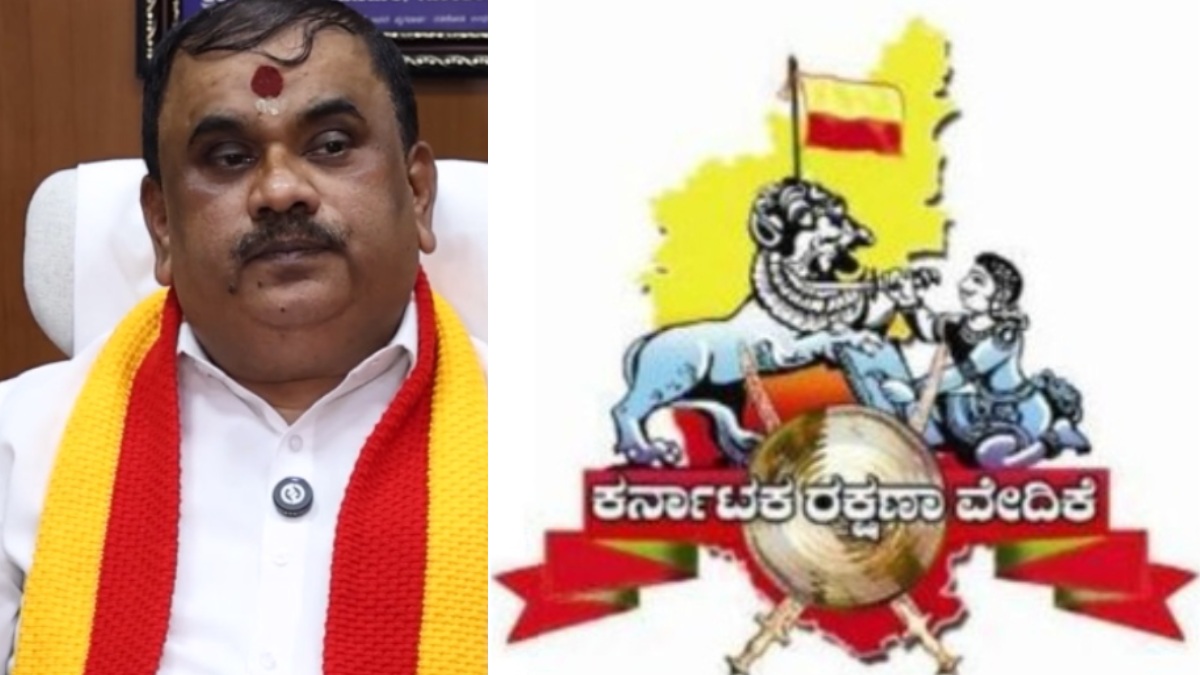
T.A. Narayana Gowda led the organisation which has launched its “Agraha Abhiyana” campaign against IT, biotechnology and other private sector companies in Bengaluru. The movement has revived debate on local employment, workforce diversity and responsibilities of businesses operating in Karnataka.
Agraha Abhiyana Targets Bengaluru Companies
The campaign started in early November 2026 during Kannada Rajyotsava celebrations. KRV activists went to company offices and technology establishments, asking about employee composition and recruitment practices.
The organisation said its teams visited hundreds of companies during the campaign. In the first few days, it was reported that more than 100 companies had been visited; later estimates put the number at nearly 500.
Activists reportedly wanted details on total workforce, Kannadiga employees, recruitment figures and representation across job categories.
KRV has said such information is needed to know if local candidates are getting sufficient opportunities in Bengaluru’s expanding technology industry.
AFTER BARGING INTO CORPORATE OFFICES, NOW BLACKMAIL OF THE STATE? This is what happens when you take the “jitni abaadi, utna haq” logic to its populist extreme. A pressure group called Karnataka Rakshana Vedike threatens an indefinite agitation from December 12 unless the government legislates private-sector job quotas for Kannadigas. While local aspirations deserve consideration, turning employment into an identity based entitlement is a recipe for Balkanisation of Bharat. Let's invest in creating opportunity, mobility and promoting merit. Let's stop the parochial gatekeeping.
— Rahul Shivshankar (@RShivshankar) November 26, 2026
Why Activists Are Demanding Local Reservations
Campaign supporters say Karnataka’s people should get their fair share of the employment opportunities created by the state’s economic growth.
They say Bengaluru’s IT industry has benefited from public infrastructure, government support and investment-friendly city environment. Local youth should also benefit more directly from the growth of these businesses says the organisation.
The demand is linked to the long-running debate around Mahishi Committee recommendations on employment for Karnataka residents.
Private sector reservation has also come up at state level in recent years but mandatory quotas have worried industry representatives.
KRV Announces December 12 Protest
In late November KRV said it would hold a major protest on 12 December 2026 if its demand for local employment reservation is not met.
The demonstration is proposed to be held in Bengaluru and activists have planned a rally and overnight sit-in at Freedom Park.
The organisation has said the protest was an attempt to press the state government “to take concrete steps towards local job reservation in private sector employment”.
The announcement has put the issue back in public debate as the proposed date for the protest draws near.
Industry Concerns and the Road Ahead
The demand has also raised wider debate about how to reconcile regional employment aspirations with Bengaluru’s role as a major technology and business centre.
Supporters say local reservation would increase employment access for Kannada-speaking residents and encourage companies to invest more in local skill development.
Opponents of mandatory quotas have also argued that recruitment flexibility will be lost; access to specialised talent is limited and investment may be adversely affected.
With the December 12 protest looming closer, Karnataka government, industry representatives and local organisations are under pressure to find a solution that addresses employment concerns without disrupting Bengaluru’s technology ecosystem.
The Agraha Abhiyana campaign has once again put local hiring centre stage in Karnataka’s economic and political discourse.



Comments