
The Madras High Court has said inclusion in the OBC reservation list cannot be permanent or automatically justified just because a community has been enjoying reservation benefits for several decades. The government must give a constitutional basis for including or retaining a community on the list whenever such inclusion is challenged, it said.
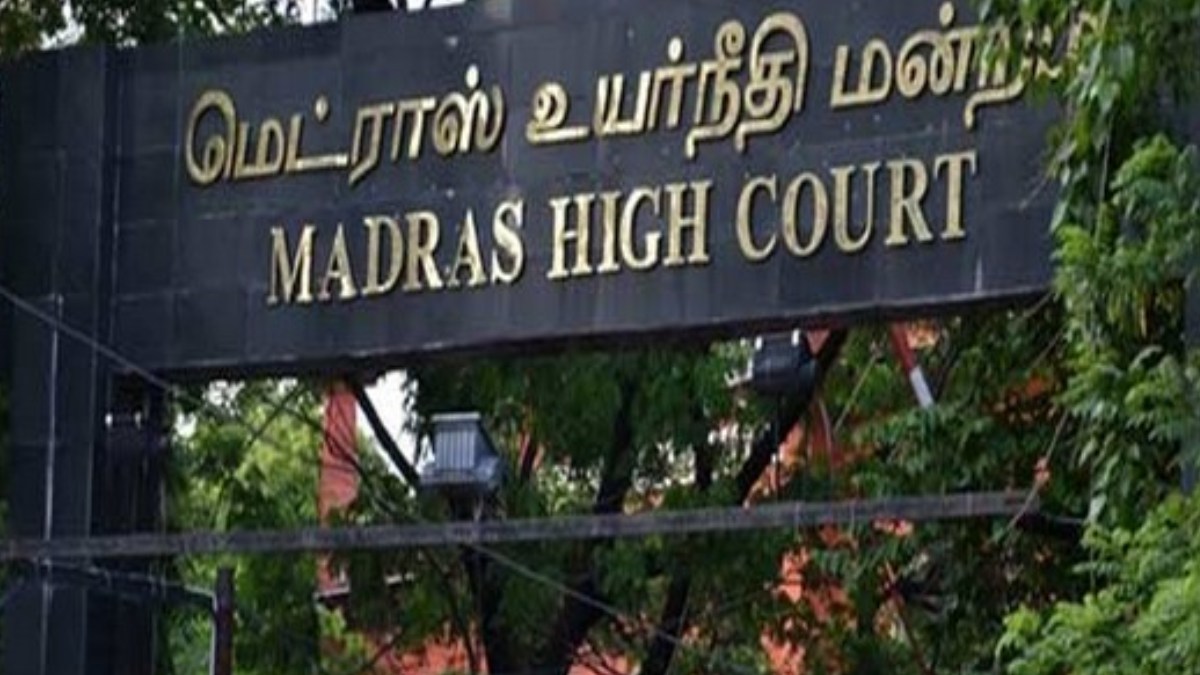
The Madurai Bench of Madras High Court made these observations on 12 November 2026 while hearing a petition challenging inclusion of certain Christian communities and converts to Christianity in Tamil Nadu’s BC and MBC reservation lists.
Madras High Court Questions Permanent OBC Status
A division bench of Justice G R Swaminathan and Justice M D Sumathi made these observations while hearing a writ petition filed by G Kodeeswaran, a resident of Madurai.
The bench said OBC status is not automatic nor permanent. “Clear justification has to be given for inclusion or continuation of any community in the reservation list.”
The court also said that government must prove when a legal challenge is made that the community being included or retained was constitutionally justified.
The observations have brought back to the fore constitutional requirements for reservation policies and identification of socially and educationally backward communities.
Petition Challenges Inclusion of Christian Communities
The petition challenges certain entries in Schedule I of the Tamil Nadu Government Servants (Conditions of Service) Act, 2016.
The petitioner challenged the inclusion of Christian Nadar, Christian Shanar and Christian Gramani communities as well as certain converts to Christianity from communities falling under Backward Classes and Most Backward Classes categories.
The petitioner says that these inclusions were made without empirical evidence showing social and educational backwardness of the area.
He said that the existing classification would dilute reservation benefits for genuinely backward communities.
The petition also referred to earlier recommendations by the First and Second Backward Classes Commissions on inclusion of some Christian communities and converts.
These are allegations made by petitioner and have not been finally established by the court yet.
Constitutional Questions Under Articles 14, 15 and 16
The petition questions Articles 14, 15(1) and 16 of the Indian Constitution relating to equality before law (equality before the law); prohibition of discrimination; equality of opportunity in public employment.
The petitioner submitted that reservation classifications should be based on objective evidence of social and educational backwardness.
The court said the petition raises serious constitutional issues and that claims about lack of supporting data need to be investigated further.
Court Issues Notice to Tamil Nadu Government
After hearing the submissions, Madurai Bench admitted writ petition and issued notice to Tamil Nadu Government and other concerned authorities.
The respondents have been given eight weeks to respond. The court also allowed the petitioner to file an interim application since recruitment was going on (see above).
The court has not struck down the challenged entries or ordered any community off the BC or MBC reservation lists.
What the Ruling Means for Reservation Policy
The points made above emphasise the need for evidence-based classification in reservation policies. Governments may have to show constitutional validity of including or retaining communities in backward class lists when challenged.
The case could influence how the classification of reservation will be assessed in future in Tamil Nadu but it ultimately depends on what the government does and what further judicial scrutiny takes place.
For now, the reservation entries are there and the legal process will determine whether those challenged classifications meet constitutional standards.





Comments