
The Tamil Nadu Police have registered a case against TVK MLA C Arul Vignesh for harassment of a woman IAS officer who is the District Collector of Kallakurichi. The officer had filed a formal complaint with the district police about harassment and brought a controversy that had been discussed for several months into the criminal investigation process.
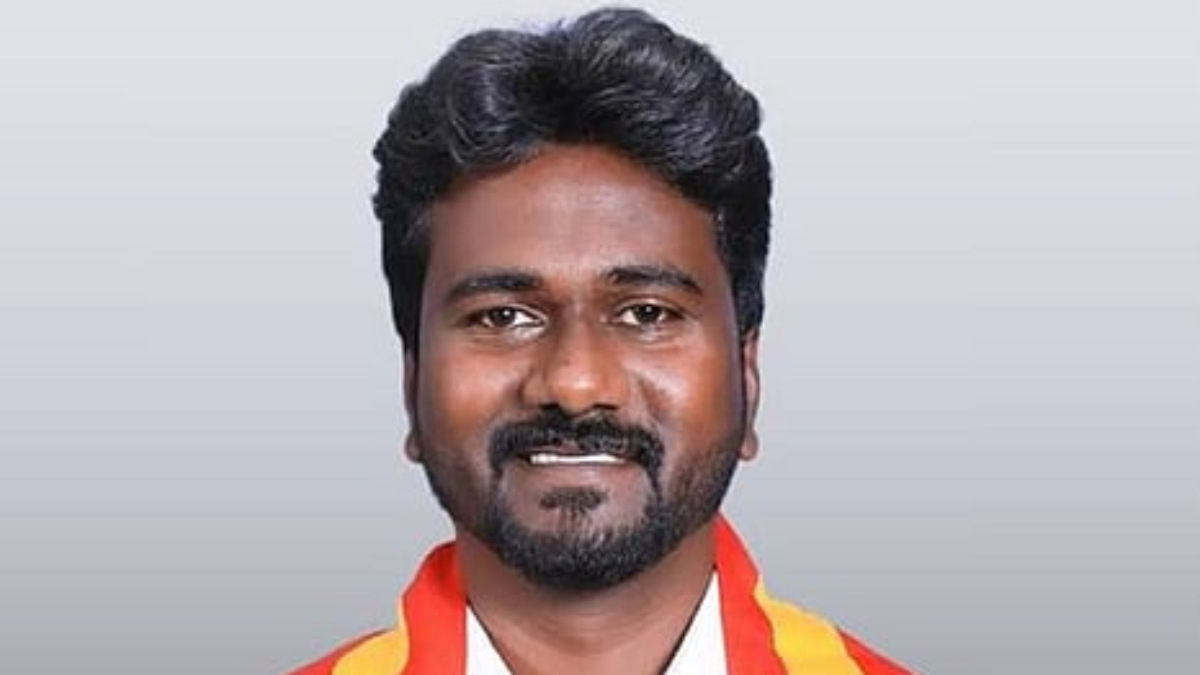
Tamil Nadu government informed the Madras High Court on Tuesday (November 24) that an FIR has been registered against the legislator for sending inappropriate messages and behaving improperly towards a senior government official at public events. Arul Vignesh denied the allegations, saying they were politically motivated.
The officer reportedly said the MLA had sent her inappropriate messages commenting on her appearance and clothing. She also reportedly accused him of trying to brush against her during public functions and behaving in a way that made her uncomfortable. The complaint is reported to be several months old.
Questions have been raised about the safety and professional dignity of women government officials when complaints are made by elected representatives holding positions of political influence. The allegations remain under investigation, but the MLA has not been convicted for any offence.
The controversy came before the Madras High Court when advocate R Thrishuli filed a petition seeking directions to the police to register an FIR and conduct a fair investigation into the allegations. On November 23, the State Public Prosecutor had told the court that neither the police nor the Chief Secretary had received any formal complaint from the officer. The prosecutor was directed to verify the position with the concerned authorities and report back. The next day, the government informed the court that a complaint was received and an FIR was registered.
The FIR was registered by the All-Women Police Station in Kallakurichi. The government also informed the court about the registration of the case and complaint submitted by the officer. The investigation has now become a legal and administrative issue as the accused is an MLA, and the complainant is a senior government official. The court said allegations have to be investigated impartially, and no one should get protection because of political position. A senior supervisory arrangement for investigation should be made.
Justice V Lakshminarayanan made strong observations during the hearing on how women should be protected from harassment (whether they are official or social) investigation must be monitored by an officer of Inspector General of Police rank and above; state to constitute Internal Complaints Committee with independent members instead of IAS officers only; need to deal with abusive online content against complainant and investigation should not be influenced from outside.
The case also has questions to answer about how the state administration reacted after the allegations first came to the notice of senior officials. Reports say that the matter was brought to the notice of authorities months before the formal police complaint was filed. The National Commission for Women had earlier suo motu taken cognisance of the allegations and sought an impartial inquiry from the Tamil Nadu DGP. It wanted a report on action taken by authorities and handling of complaint. This increased scrutiny of government response and the time taken to start formal proceedings.
Meanwhile, Arul Vignesh has denied the allegations and said that the claims against him were politically motivated. He has denied sending inappropriate messages and termed the accusations as attempts to tarnish his reputation and that of his party. His response gave political colour to the controversy (TVK is the ruling party in Tamil Nadu).
The allegations have gone beyond Kallakurichi; questions on accountability and the treatment of women officials came up; political parties’ responsibility to look into complaints from their elected representatives was also raised.
The Madras High Court has fixed the matter for further hearing on November 27, when the state will be asked to update it on the investigation and the complaints committee proposed. The court has also directed not to publish information protected under Section 16 of Sexual Harassment of Women at Workplace Act, 2013 (the SHW Act).
So, the identity of the complainant and other protected details must be handled carefully in media reporting. Till then, an FIR is an important development, but allegations have to be established through a fair investigation and legal process.




Comments