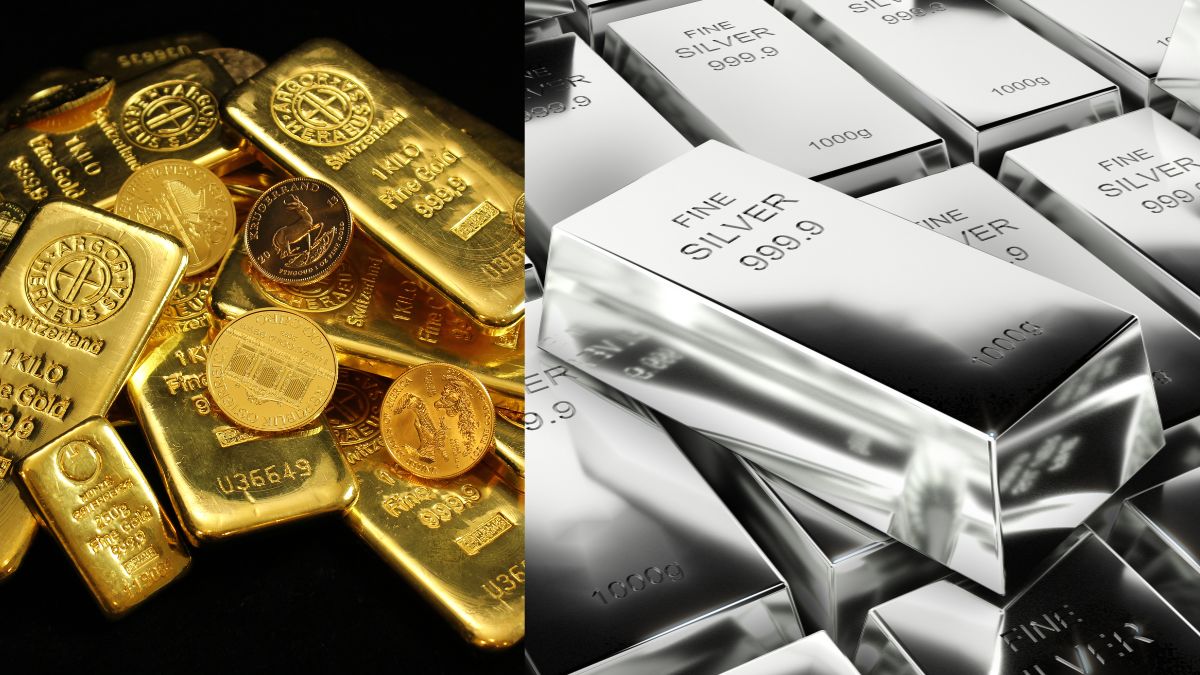
This was a decision by the Central government to raise import tariffs on gold and silver to 15% and, coming at a point when India is more concerned than ever about pressure on its foreign exchange reserves.
The move follows a warning from Prime Minister Narendra Modi recently issued about the costs of climbing precious metal imports to his country’s forex position. Bullion markets, jewellery traders and consumers from across India, one of the world’s top importers of gold, should be affected with such a move.
Officials believe the rise in tariffs is aimed at reducing excess imports and holding back the growing trade deficit. Government sources said the tariff bump is targeted at both gold and silver shipments and has an immediate impact. Tighter duties will likely drive large-scale imports to the back door, especially when festive and wedding demand is often stronger, the Centre said. India is importing a lot of gold every year, mainly because of cultural and investment demand.
But large imports also create huge foreign currency outflows that swell the country’s current account deficits and foreign exchange reserves. Economists have long cautioned that unregulated imports of precious metals can undermine macroeconomic stability, especially at moments of global upheaval.
The recent Prime Minister’s remarks on the necessity of protecting foreign exchange reserves were believed to be one of the reasons for the government’s decision. Rising imports of gold and silver, officials said, were adding unnecessary pressure to dollar reserves as global financial conditions remained volatile.
The rise in tariffs will probably push up domestic gold and silver prices in the next few weeks. Jewellery stores might see a dip in sales temporarily as the price in the industry spikes, but industry insiders said festive buying and wedding season spending are unlikely to disappear completely, as more and more people are increasingly sentimental and appreciate gold in Indian homes.
Bullion traders have been careful walking post the announcement. Some industry officials cautioned that higher tariffs could drive smuggling, but others said it was the government’s responsibility to rein in imports and protect economic stability, which was clear. This strategy may reduce domestic import volumes in the interim; however, overall effectiveness would depend on worldwide gold prices, currency exchange volatility, and domestic consumer consumption requirements, according to financial analysts.
An unhinged global market and surging U.S. currency have already pushed countless into safe-haven gold. Silver imports are also front and centre: The metal has enjoyed explosive industrial demand from the solar, electronics and manufacturing industries. The tariff increase may thus impact not only jewellers but also some manufacturing sectors that depend on imported silver.
Opposition leaders and trade bodies, meanwhile, are asking whether small jewellers and traders for whom there isn’t consumer demand will get more relief measures, it said. That increased the potential for some trade associations, or other groups whose members are industry-oriented, to convene with the government officials to reach a mutually agreed-upon new duty structure.
And, while fears of jewellery have not been without rising, the government is as clear as ever about maintaining economic stability and forex reserves. The greater tariffs are a signal of an even tougher line with zero tolerance towards imports that are seen as non-essential due to the apparent intention of the authorities to keep external trade on a level playing field while protecting the Indian economy from external concerns within financial markets.
Gold remains over 60 per cent of the Indian population’s preferred investment strategy, but over the coming months, it will be much clearer what the tougher tariffs will do in terms of containing imports or just driving up domestic costs and conditions in the markets.