Apple has removed Bitchat, a messaging app developed by former Twitter CEO Jack Dorsey, from the App Store in India. That development has attracted attention in the technology and privacy communities because Bitchat is designed to talk offline and without using the internet or mobile networks.
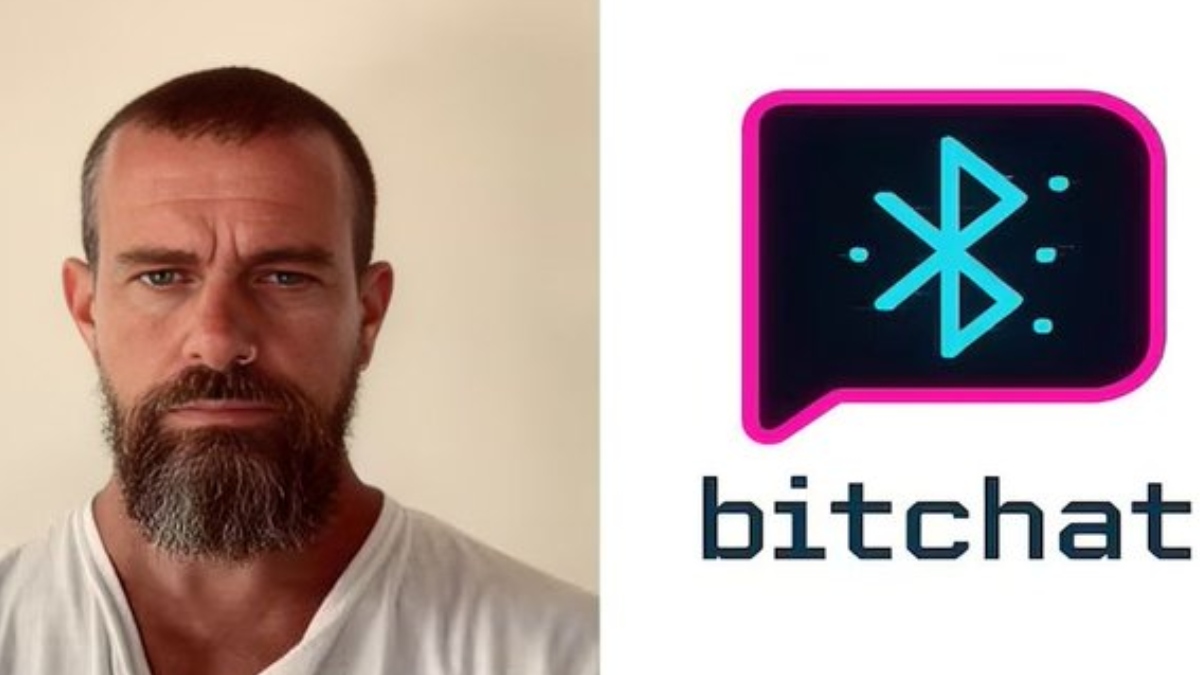
Bitchat was popular for its unorthodox messaging approach. Instead of relying on the internet-based communication infrastructure, the app was based on Bluetooth-based communication, and there were nearby devices that exchanged messages. Users who want alternative communication methods to the internet or mobile networks are interested in such a model from the offline perspective.
Bitchat is no longer available on Apple's App Store in India, and iPhone and iPad users may no longer be able to download it from Apple's official app marketplace. The removal has led to questions as to why the app has been discontinued and why it is so controversial based on the issue of regulatory/platform for the app.
Bitchat having Jack Dorsey with them has also made people talk about the development more and more. Dorsey, who co-founded Twitter and had been the chief executive since 2003, has been involved in a number of projects to the community on decentralised technologies, privacy and alternative communication systems. His support of Bitchat helped bring some attention to the project as the application started to attract users interested in peer-to-peer messaging.
In contrast to other messaging apps, which require an internet connection, Bitchat communicates with nearby devices through Bluetooth. Messages can also travel through participating devices, creating a local network (not necessarily a cellular data or Wi-Fi connection). This technology may be more useful in a network outage, in a crowded event and in other cases with a lack of connected devices.
The removal of the App Store in India also highlights the bigger challenges for applications that differ from the mainstream communication services. Apps dealing with encryption, privacy, peer-to-peer communication and decentralised infrastructure may get more scrutiny as the technical aspects of services they provide are different.
However, the removal does not necessarily mean that the technology behind Bitchat has disappeared. Developers of applications with different communication models can yet seek out different distribution methods and platforms, subject to applicable laws and platform policies. This incident could thus be part of a larger conversation about how app stores regulate emerging communication technologies.
App Store policies are at the heart of Apple’s software ecosystem security and reliability, Apple says. Applications are reviewed before being made available to users, and Apple can remove or restrict apps when they no longer align with its requirements or other issues come up. The developers and technology users often debate how much control big app store operators should hold over innovative or privacy-oriented applications.
The Bitchat episode is particularly interesting because offline messaging technology has potential applications that are not just about everyday consumer communication. In natural disasters, network disruptions or large public gatherings, mobile device-to-device communication could be an additional means to communicate when our usual networks are cut off or become congested and not reliable.
The development also comes at a time when people are increasingly interested in privacy-oriented and decentralised communication. Users are increasingly interested in how messaging applications handle data, connectivity and encryption and developers are experimenting with technologies that reduce reliance on centralised servers.
🚨 Apple has removed Jack Dorsey-backed offline messaging app Bitchat from its App Store in India. https://t.co/flEwg4AxBW
— Indian Tech & Infra (@IndianTechGuide) October 4, 2026
The immediate effect for Indian users is that Bitchat’s availability through the Apple App Store has been disrupted. The situation is also likely to spark discussions about app store management and digital privacy, peer-to-peer communication and the future of offline messaging.
As Bitchat is removed, users and technology practitioners will be waiting for clarification on the decision of Apple and whether it will still be made available to the Indian App Store in the future. The episode has illustrated how communication technologies in the future, platform policies and regulatory requirements are interrelated in India's rapidly growing digital ecosystem.