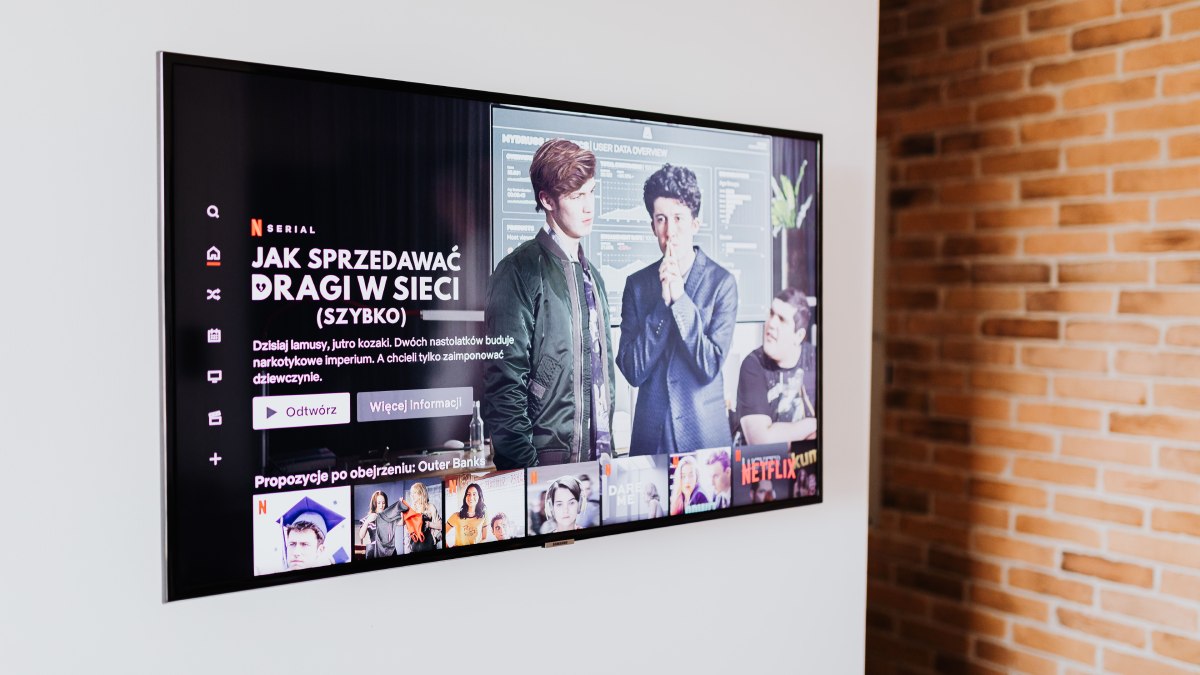
Smart televisions are far more than just a home display screen, they are now fully interactive entertainment hubs built upon top-notch operating systems. But this revolution has brought with it new cybersecurity problems that are as formidable as the ones we have found in smartphones. Samsung has recently been forced to respond strongly to some applications running on its smart TVs after research showed that they were sharing users' internet connection information with non-governmental entities.
The scale of the issue is alarming for consumers, since millions of homes are already using these compromised applications. One of the security programs mentioned in the study is a harmless Pac-Man game running on Samsung TVs. And the users could get caught if attackers take advantage of this loophole. Many of the problematic smart TV applications run background code that monitors web traffic and then displays that information directly to the television and hence are used as digital hackers. Users of such TV apps can at times see their living room entertainment systems being hijacked for monitoring the internet and information being leaked to others.
But there are industry leaders taking note of these serious security gaps, as Samsung is not the only major manufacturer struggling with rogue TV applications. LG also has become tough on those similar security lapses and has been taking a strong stance on this issue with a very recent move against such security violations, banning developers who are guilty of covert actions that leave consumers susceptible to digital intrusion and data theft. With smart TV apps being so popular among all the popular smart televisions from a wide range of brands, security experts say the problem likely extends well beyond Samsung and LG devices and the application installation is now more critical than ever, and we are increasingly concerned about how to keep an eye on application installation.
The real source of the problem is the very architecture of modern smart displays. Apps such as Google TV, Tizen OS, and webOS build on top of the Linux kernel. In this way, televisions run popular mobile applications easily on a big scale, but smart TVs are built with the same malware and privacy threats and flaws as phones. Many independent research organizations have also confirmed these security concerns and highlighted that keeping a smart TV safe also involves the same level of care, permission scrutiny, and vigilance that a smartphone should have.