
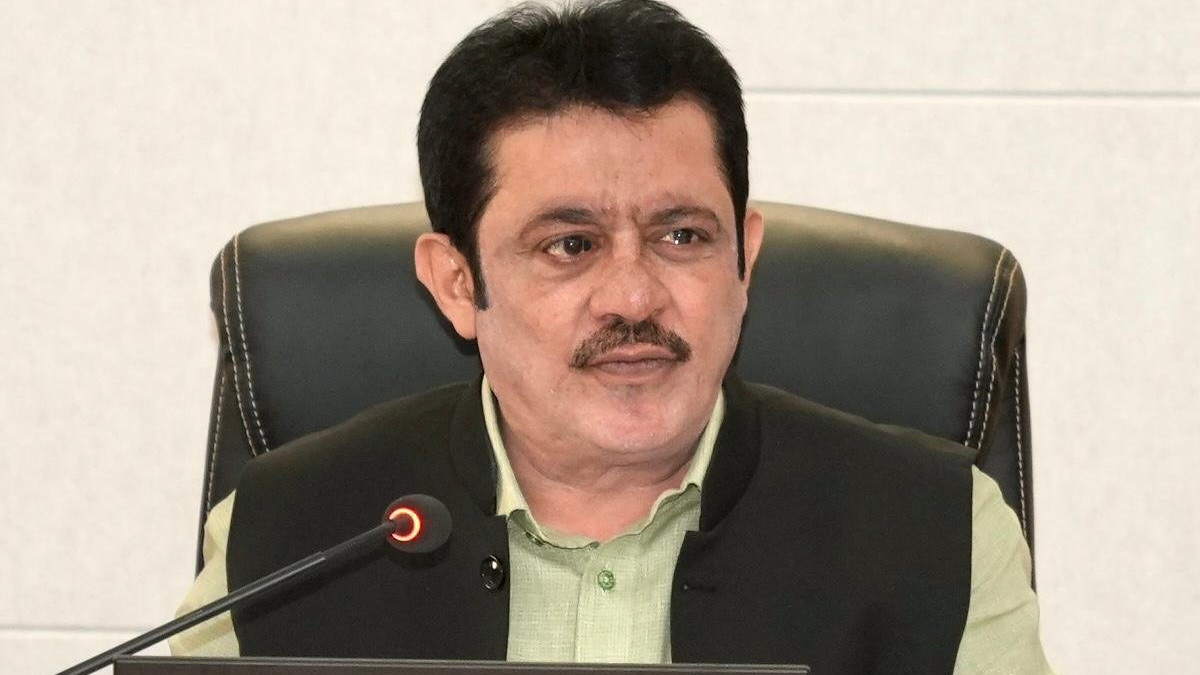
Maharashtra has announced a large housing expansion plan for the Mumbai Metropolitan Region (MMR), with a target of 30 lakh homes in the next 15 to 20 years. Deputy Chief Minister Eknath Shinde said the plan would be based on cluster redevelopment and city planning in Mumbai and the surrounding growth centres.
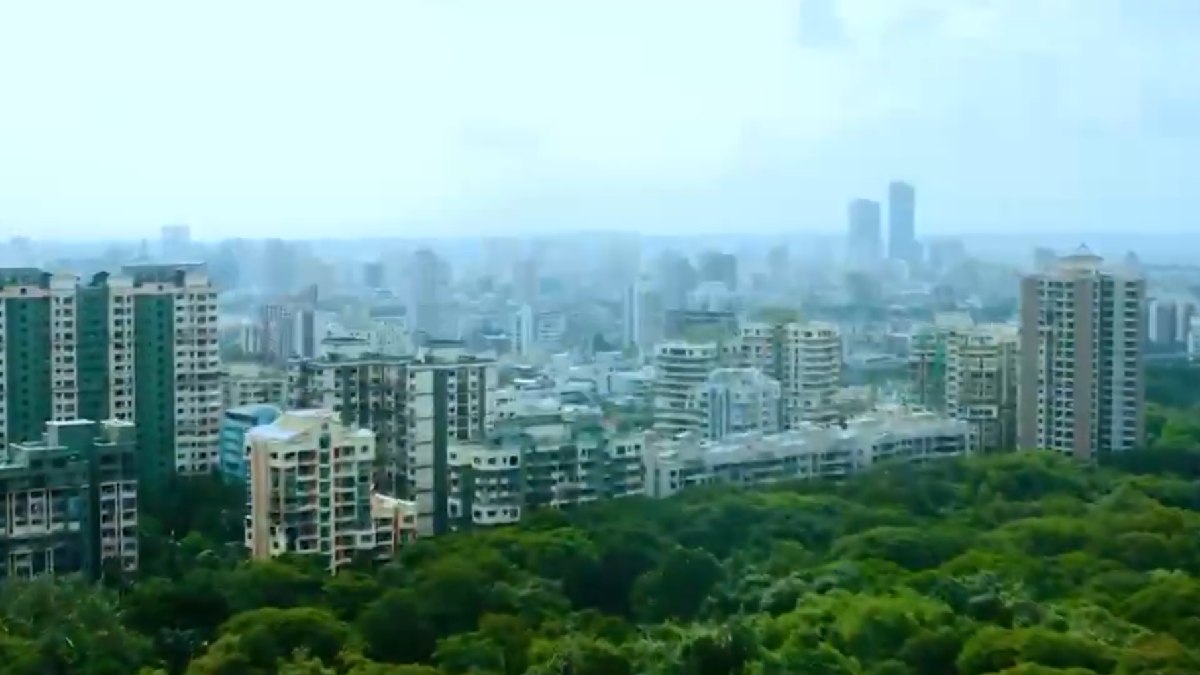
The proposed housing push is aimed at addressing the region’s increasing demand for residential accommodation and also encourages more organised development outside Mumbai’s core areas. The plan covers Thane, Mira-Bhayandar, Kalyan-Dombivli, Bhiwandi and Ulhasnagar, where large-scale redevelopment and infrastructure expansion are already reshaping parts of the MMR.
According to the plan, around 10 lakh homes would be developed in Mumbai, particularly in slum rehabilitation, and the remaining homes would be spread across the greater metropolitan region. The long-term approach aims to create more housing capacity but reduce pressure on already densely populated areas of Mumbai.
Cluster Redevelopment At The Centre Of Plan
Cluster redevelopment is likely to play a crucial role in the housing target. Instead of treating individual buildings or small plots as separate redevelopment projects, cluster development allows larger areas to be planned together. This approach can help link residential buildings with roads, utilities, open spaces and community infrastructure.
Recent redevelopment activity in Mumbai has already shown a shift towards larger projects. Between the first quarter of 2026 and the first quarter of 2027, 70 redevelopment agreements covering 52 acres were signed in Mumbai, with the average project size increasing compared to the previous year.
Integrated redevelopment can also enable authorities and developers to plan for the building of supporting facilities alongside housing. This might include wider roads, parks, public spaces, schools, community facilities and other essential services instead of adding residential buildings without corresponding infrastructure.
The Bombay High Court has recently taken up the issue of integrated redevelopment for large MHADA layouts, in which it has said that broader redevelopment can allow roads, utilities and amenities to be planned in a more comprehensive manner rather than through fragmented projects.
Focus On Mumbai’s Wider Growth Centres
The housing plan extends beyond Mumbai because the metropolitan area has become a network of interconnected urban centres. Thane, Bhiwandi, Kalyan, Dombivli, Ulhasnagar and Mira-Bhayandar have all experienced significant residential and infrastructure growth as Mumbai’s expansion has moved outward.
It is expected that better transport connections will also help with this expansion. In particular, the new Mumbai Metro Line 5 and extension to Line 5A will connect Thane with Bhiwandi, Kalyan and Ulhasnagar to the core of the city. The Centre approved the new alignment in August 2026, which paved the way for further work on the corridor.
Increased transport links can be particularly important if large numbers of new homes are developed in these areas. Greater metro, road and other public transport connections may help residents to travel between housing, employment and commercial centres in the MMR.
Housing Alongside Employment And Amenities
The broader goal of the housing strategy is not so much to have more residential units as to have more work centres and employment hubs for the residents and also to see jobs, transport and other essential services closer to their homes.
This approach could help to solve one of the major challenges associated with Mumbai’s urban development: long daily commutes. As housing gets concentrated around peripheral parts of the metropolitan area, connectivity and local employment options become crucial to urban planning.
The state has also been pursuing separate redevelopment and housing initiatives. Maharashtra’s 2026-27 budget plan focused on slum redevelopment and affordable housing in the Mumbai Metropolitan Region, with a target of 10 lakh affordable housing units including rental homes.
MMR में ऐतिहासिक बदलाव!
— Aneet Gupta (@Jindadil_Gupta) September 30, 2026
उपमुख्यमंत्री @mieknathshinde जी ने एकात्मिक क्लस्टर पुनर्विकास का महाआराखड़ा घोषित किया। जलद पुनर्विकास से 30 लाख घरों का निर्माण, ठाणे, मीरा-भाईंदर, भिवंडी, कल्याण-डोंबिवली में सबसे बड़ा कायापलट, हर परिवार को हक्क का घर मिलेगा। pic.twitter.com/nx8Dooyyqr
A Long-Term Housing Transformation
The 30 lakh-home target is spread over 15 to 20 years and is intended to be a long-term urban development programme rather than a short-term construction programme. Delivering a large number of homes will require coordination between government agencies, local authorities, developers and infrastructure bodies.
Cluster redevelopment projects can also involve problems such as resident rehabilitation, land ownership, project financing, approvals and coordination between agencies. Maharashtra has already been working to speed up some cluster redevelopment projects in Thane, including plans for Kisan Nagar, Kopri and Wagle Estate.
If implemented throughout the much wider MMR, the housing programme could change the city’s physical landscape in the coming decades. The focus on integrated development means that the proposed homes are being discussed alongside roads, public spaces, transport links and community infrastructure.
For Mumbai and its vicinity, the 30 lakh-home programme is therefore a major long-term housing and redevelopment agenda. It will all depend on how well state and local agencies convert the ambitious target into projects, obtain necessary approvals and link housing development with the infrastructure required to support growing communities to make it a reality.


Comments
Leave a Comment