
Reserve Bank of India (RBI) Governor Sanjay Malhotra said that someone has to pay for running India’s Unified Payments Interface (UPI).
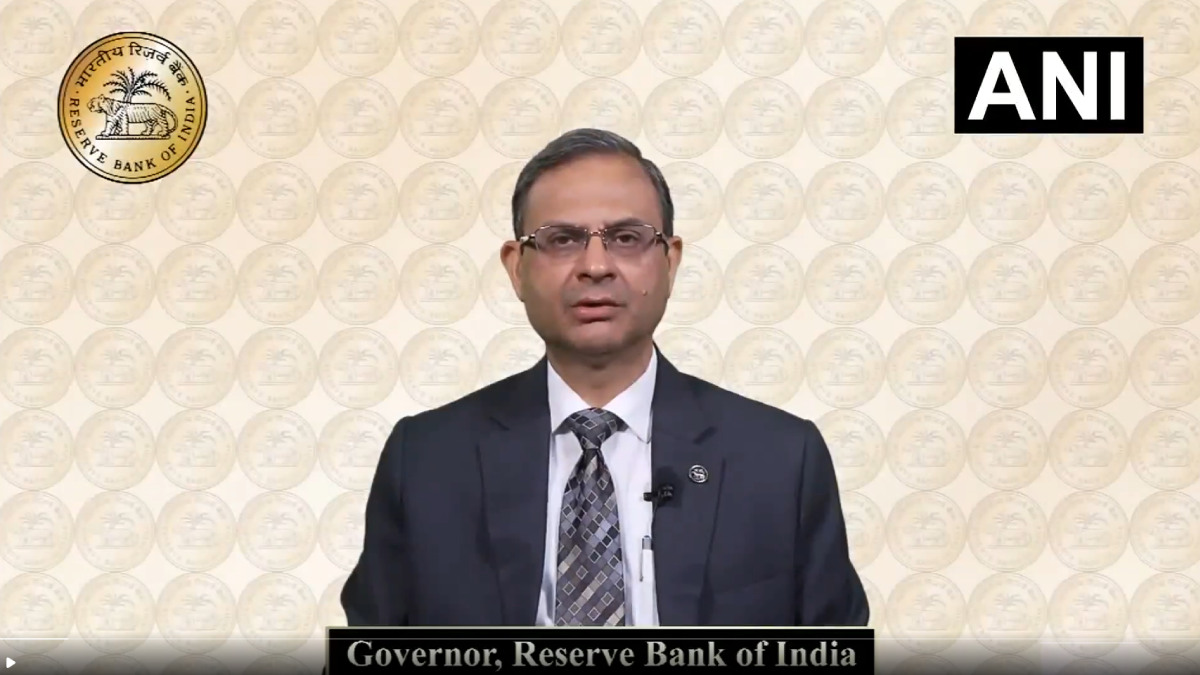
“Someone has to bear the expenses of running the country’s digital payment infrastructure,” he said. His comments have reignited debate over MDR charges and financial sustainability of UPI.
During a post-monetary policy press conference Malhotra said digital payment infrastructure has to be continuously invested in and cannot function without financial support. “The question is not whether payments are free but who is paying for the services behind them,” he said.
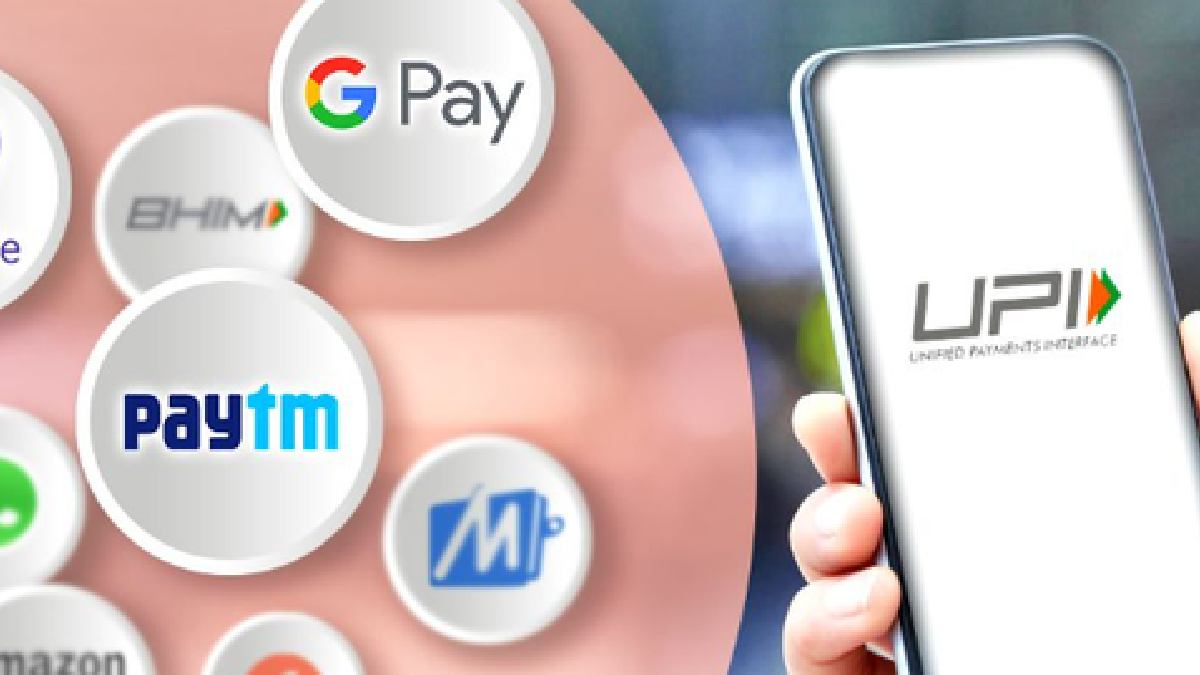
The RBI Governor said that costs of digital transactions are already being met in different ways (government support and contributions from other players in the payment ecosystem) and his remarks should not be interpreted as implying consumers must pay directly for UPI transactions.
The discussion is taking place against a backdrop of growing concern about the financial burden on banks, payment service providers and technology companies running India’s digital payments network.
What Is the MDR Debate About
Merchant Discount Rate (MDR) is the fee paid by merchants to banks or payment service providers for processing digital transactions. MDR is usually shared between participants involved in completing a payment.
India launched zero MDR framework for UPI and RuPay debit card transactions in January 2020 to encourage digital payments and lower transaction cost for merchants. The policy helped expand digital payment adoption (especially small businesses and local retailers).
However, the lack of MDR has put companies and financial institutions in a bind: they need to keep payment infrastructure up to date; security systems upgraded; transaction volumes increased.
The government then moved towards allowing a limited MDR framework for certain higher value merchant transactions but leaving everyday payments and person to person transfers free.
Will UPI Users Have to Pay Transaction Charges
The government has said ordinary consumers will not be charged directly for UPI payments. Person-to-person transfers will also remain free.
Under the framework introduced from October 15, 2026, a 0.4% MDR will be levied on specified person-to-merchant transactions over ₹2,000 (exemptions and caps apply) but majority of UPI transactions are outside this charge structure.
The government has also said that the changes are meant to help financial sustainability of the payment ecosystem but not affect affordability of digital payments for ordinary users.
UPI's Growing Importance in India's Digital Economy
UPI is now an integral part of India’s financial system because individuals and businesses can transfer money instantly through mobile apps, QR codes and bank accounts.
Its wide use has turned everyday transactions (small purchases at neighbourhood shops to large commercial payments) into a thing of the past.
However, to run such a large network investment in technology is needed; cybersecurity; fraud prevention and customer support.
Malhotra’s comments highlight the need to have affordable digital payments but also a sustainable financial model for institutions running that system.
As India’s digital payment ecosystem expands, policymakers will have to ensure that any change in transaction charges does not deter consumers or small merchants from using UPI.
The big challenge is finding a funding structure that enables innovation, protects users and keeps India’s digital payment infrastructure efficient and accessible.






Comments