
Rice prices in several parts of India have risen sharply over the past two to three months adding fresh financial burden on households which are already reeling from rising costs of essential commodities.
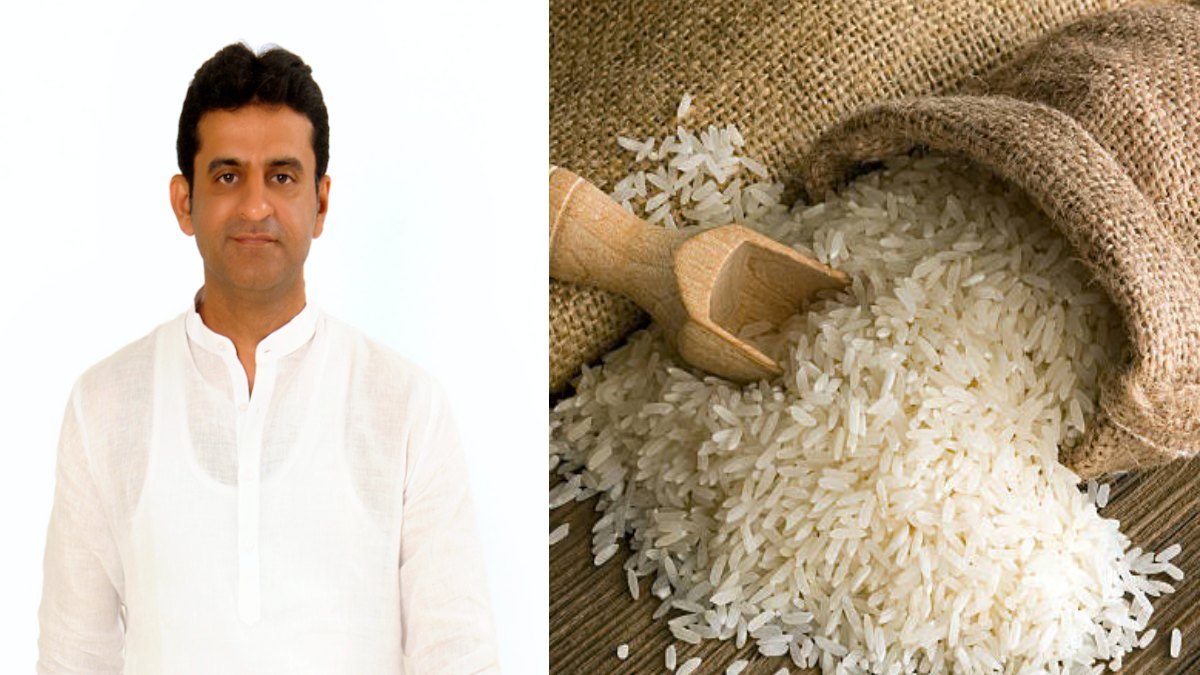
Popular rice varieties have become much more expensive, some premium and fine quality varieties are priced up by 25% to 30% in some markets.
The price rise has become worrisome in southern states (Karnataka, Telangana, Andhra Pradesh and Tamil Nadu) where rice is a staple food too.
Consumers are finding it increasingly difficult to manage their monthly grocery budgets as retailers pass on higher procurement and wholesale costs. Food inflation, household spending and further price rises in coming months have been flagged.
The sharp rise in rice prices is on account of insufficient monsoon rainfall; lower paddy production worries; overseas market demand and supply of popular varieties tightening up.
Traders and agricultural market players have warned that some fine quality rice varieties are getting less available which has pushed wholesale prices higher.
In markets of Telangana fine rice prices have gone up by 20 to 30% in the recent past.
Popular varieties RNR, BPT and other premium rice categories have also moved significantly in price affecting retailers as well as consumers.
One of the main reasons for price rise is that rainfall deficit has hit agricultural production. The 2026 monsoon was deficient in many important rice growing areas; lower rainfall and water availability concerns have made the next paddy harvest uncertain.
India’s monsoon rainfall deficit was about 13%, while sowing activity reduced all this has led to concern over availability of rice in coming months.
Experts say paddy yields could decline by around 4% to 5% in some areas depending on weather conditions and crop development. This has prompted traders to think about tighter supplies leading to rise in market prices.
Another important factor is demand for Indian rice in overseas markets. Uncertainty over the global food security and fears of food shortages have prompted several countries to buy essential food supplies from overseas basmati and non-basmati varieties have been hit particularly hard.
Market reports published in September showed that prices of basmati rice rose by about 15%–20%, while non-basmati varieties rose by 20%-25%.
Export demand has increased competition between domestic buyers and international customers and put pressure on availability of certain varieties in the domestic market. Traders say prices may remain high until fresh crop arrivals improve supply.
Karnataka has been the worst affected. Rice prices have shot up in recent months there too, and Bengaluru consumers have also seen higher prices for ordinary and premium rice.
In September government price-monitoring data showed Karnataka’s average retail price of rice was ₹63.70 per kg as against ₹56.40 per kg in July a rise of ₹7.30 per kg in two months (12.9%).
Traders said it was because of poor rainfall, lower crop output and higher procurement cost. Ordinary rice bags reportedly became costlier by nearly ₹200; premium rice bags around ₹250 to ₹300 more expensive.
Telangana is another state that has been hit hard despite being one of India’s major rice producing states. Average retail price in the state rose from ₹54.40 per kg in July to ₹61.60 per kg in September (i.e., by about 13.32%).
Premium and fine varieties have gone up even sharper in some markets. This shows higher rice production at the national or state level does not mean cheaper prices for every variety procurement patterns, milling costs, transportation charges, market demand and availability of varieties too can drive retail prices.
Middle class and lower income households are directly affected by rising rice prices. Rice is consumed regularly by millions of families in southern and eastern India a small increase in price per kg can have big impact on monthly household expenses.
Families buying 25 kg or 50 kg bags are paying more bills; hotels, restaurants, catering businesses and food manufacturers are also paying higher raw material costs.
Some businesses may pass these additional expenses on to customers through higher food prices eventually. For households that depend heavily on rice as their primary food source then consumption has to be reduced or cheaper varieties switched if prices rise further.
Government price-monitoring figures also show that rice prices are under pressure at the national level.
The Department of Consumer Affairs has said that on November 2, 2026 all India average retail price of rice was ₹48.64 per kg and average wholesale price was about ₹4380 a quintal.
These national averages are lower than those of several premium varieties sold in southern markets (see table below).
Ordinary rice is a lot cheaper than specialised varieties. Broken rice prices have also gone up; the all-India average wholesale price on November 2 was about ₹3036 a quintal.
The government is watching food inflation and agricultural supply conditions too. Industry representatives have said competition between domestic industries and export markets for broken rice was increasing.
Ethanol manufacturers and poultry-feed producers are also major buyers of broken rice another source of demand. Indian Rice Exporters’ Federation has warned that if international prices rise further “then discussions may start about possible restriction on exports of broken rice”. As of November 3, 2026 no fresh export restrictions had been announced.
The arrival of fresh paddy crops will also determine whether prices start to stabilise. If crop availability increases wholesale markets pressure should ease and retail prices will fall gradually but weather-related disruptions, export demand and limited availability of preferred varieties could keep prices up.
Consumers will be watching market developments closely as rice has become another commodity that is putting pressure on household budgets.
Overall 25–30% price rises for some rice varieties in some markets show the affordability challenge is getting worse (though the actual price rise varies widely by region and variety).





Comments