
SpiceJet is under renewed focus over its financial and operational woes after pilots’ associations raised concerns about delayed salary payments, employee welfare and flight safety. The airline’s mounting financial stress has also affected aircraft availability and flight operations so much that it raises doubts about its ability to provide reliable services.
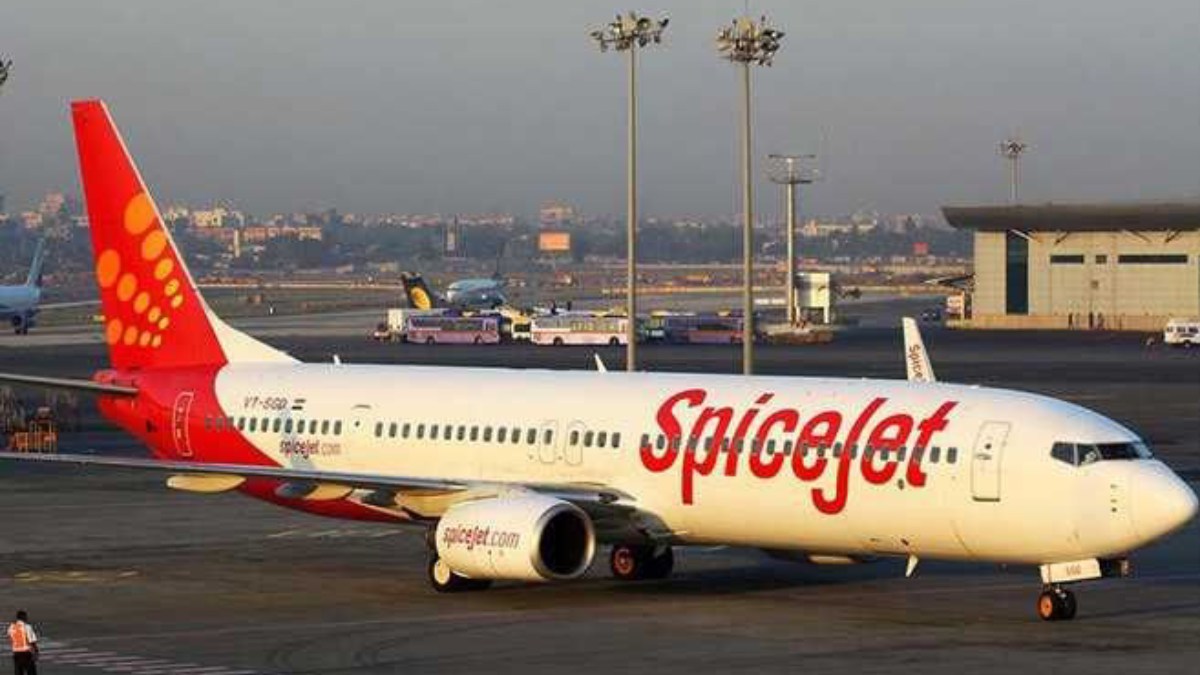
The latest worries come as a Q400 plane has been grounded at Mumbai airport for four days. It has highlighted the airline’s shrinking operational capacity and difficulties in running regional aircraft operations.
Pilots' Associations Raise Flight Safety Concerns
The Federation of Indian Pilots (FIP) has asked the Union Civil Aviation Ministry to help SpiceJet overcome its financial and operational crisis. In a letter to Civil Aviation Minister Ram Mohan Naidu, FIP said if financial instability continued then safety of aviation could be affected.
Delay in and unpaid salaries was cited as a major issue by pilots’ body. It said financial insecurity may lead to anxiety, psychological stress, sleep disorders and mental fatigue among pilots and other operational personnel.
These conditions could affect alertness, concentration and decision making of employees who operate safety-critical operations, the federation says.
The FIP has requested DGCA to conduct an urgent financial and operational safety assessment of SpiceJet; stronger financial monitoring of scheduled airlines so as to detect warning signs before operations are affected by financial difficulties.
ALPA India Highlights Employee And Maintenance Concerns
The Airline Pilots’ Association of India (ALPA India) has also expressed concern about the airline’s financial health.
In a letter to the Civil Aviation Ministry, the association said delayed salary payments were causing financial insecurity among pilots and cabin crew. It said financial constraints could also impact payments to maintenance organisations, spare-part suppliers and other essential service providers.
The association said unpaid vendors and disruptions to essential services could cause aircraft to be grounded as well as put extra pressure on engineering staff.
ALPA India also spoke out about the working conditions of frontline employees. Pilots, cabin crew and ground staff are increasingly frustrated by passengers (delays, cancellations and disruption of services) despite having little control over management decisions.
The association has called for consistent regulatory enforcement (employment obligations, timely payment of salaries).
Q400 Aircraft And SpiceJet's Shrinking Fleet
The grounding of a Q400 aircraft in Mumbai for four days adds to concerns about SpiceJet’s capacity.
The airline has had trouble keeping aircraft in service due to financial problems, unpaid invoices and disputes with suppliers and aircraft lessors.
In October, around 40 pilots on SpiceJet’s Q400 fleet reportedly refused to fly until their pending salary dues were cleared. ALPA India backed the pilots and spoke of working conditions.
The Q400 fleet is important for regional connectivity as turboprop aircraft are used on shorter routes so reduced availability can reduce the airline’s ability to maintain services on certain regional sectors.
The reason for the latest aircraft remaining at Mumbai airport for four days has not been independently established in the reports so far.
DGCA Steps Up Scrutiny Amid Flight Disruptions
SpiceJet’s operational problems have also caught the attention of aviation regulator DGCA.
On November 17, the regulator issued a show-cause notice to the airline over repeated flight cancellations, non-compliance with regulatory requirements and unpaid dues as well as concerns about grounded aircraft.
The notice reportedly said on-time performance was dropping, cancellations and delays were rising; it was not operating approved schedules and passenger assistance during disruptions was poor.
The airline’s domestic market share fell to 0.6% in October 2026 from about 4% in January, according to figures reported by The Indian Express.
The carrier has also been unable to pay service providers and aircraft lessors. Suppliers have reportedly moved to cash-and-carry arrangements (payments before services are provided).
SpiceJet Approves Fundraising Plan Of Up To Rs 5,500 Crore
Against this backdrop, SpiceJet’s board approved a proposal on November 18 to raise up to Rs 5,500 crore through one or more fundraising routes.
The fundraising is needed to shore up the airline’s finances, support operations and bring grounded aircraft back into service.
But approval of a fundraising proposal does not mean the money has been raised. The airline will still have to go through the necessary fundraising process and show improvement in its financial and operational performance.
What Lies Ahead For SpiceJet?
The airline has many problems unpaid employee wages, vendor dues not paid, aircraft grounded and passengers complaining about cancellations and delays.
The concerns of pilots’ associations have brought another dimension to the crisis one that shows how financial health affects employee welfare and operational safety.
DGCA’s response, whether SpiceJet can raise fresh funds and how it clears outstanding payments will all be determining factors on whether the carrier can stabilise its operations.
For now, it’s still a problem for employees, passengers and the wider aviation industry.






Comments