
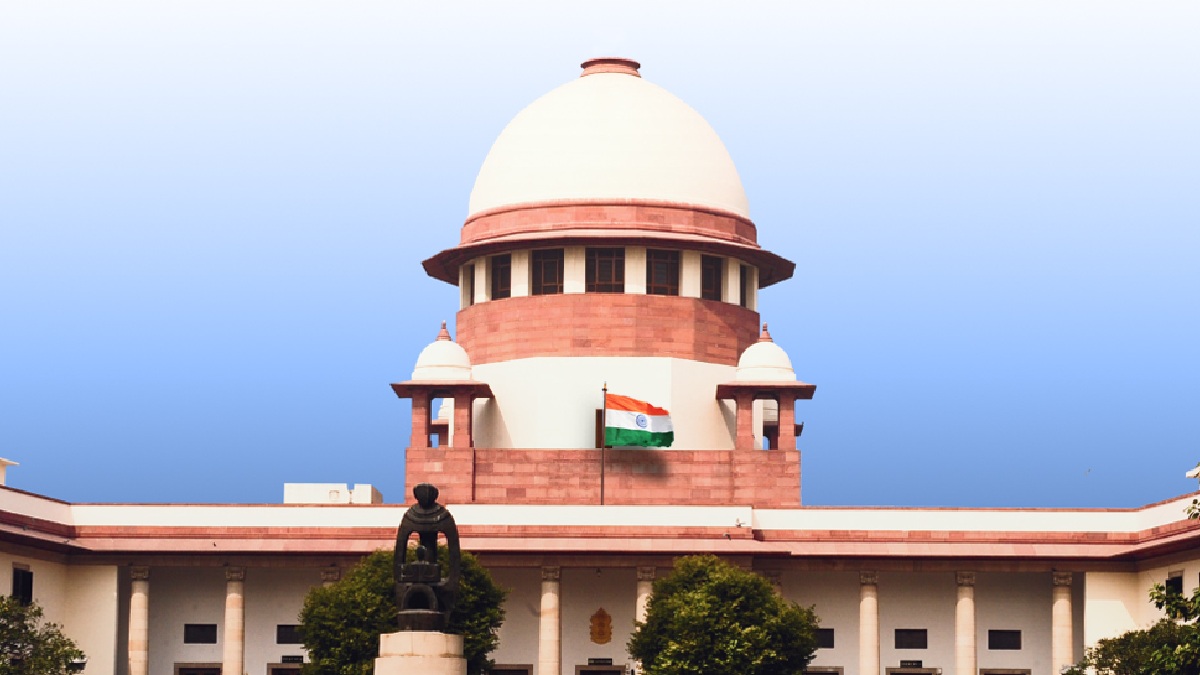
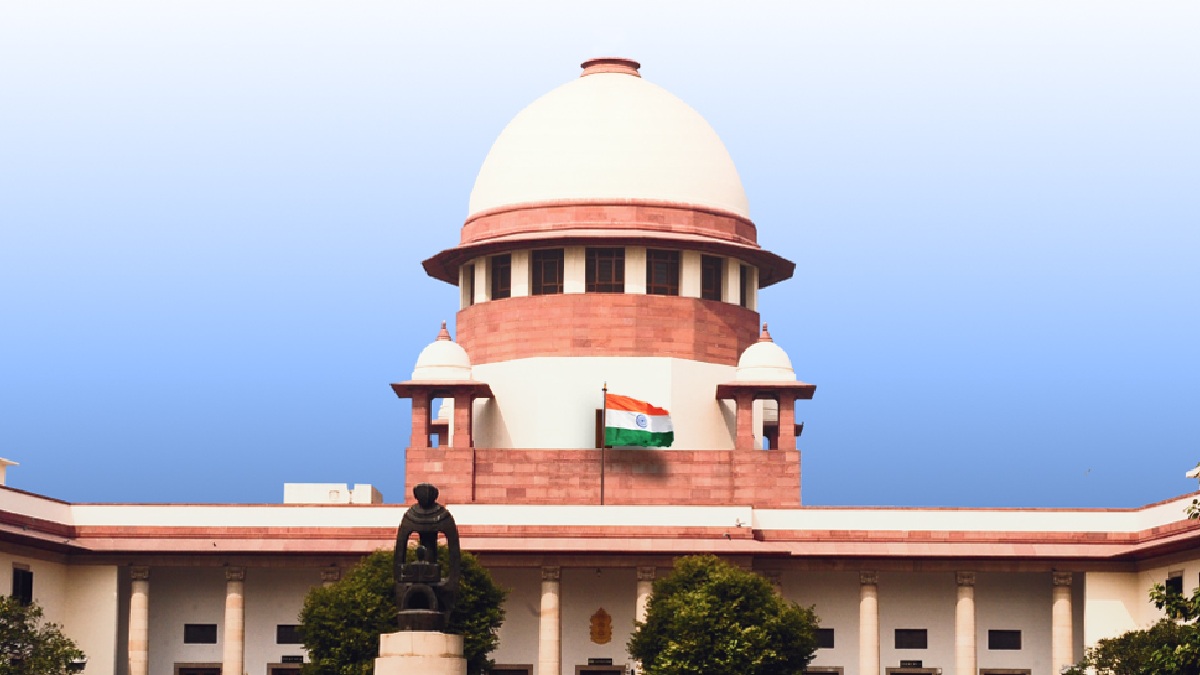
The Supreme Court of India has ruled that private individuals may file criminal complaints against election candidates who present false information or keep secrets in their election affidavits. In this way, the decision makes the investigation of a public servant’s alleged misrepresentation under Section 125A of the Representation of the People Act, 1951, easier.
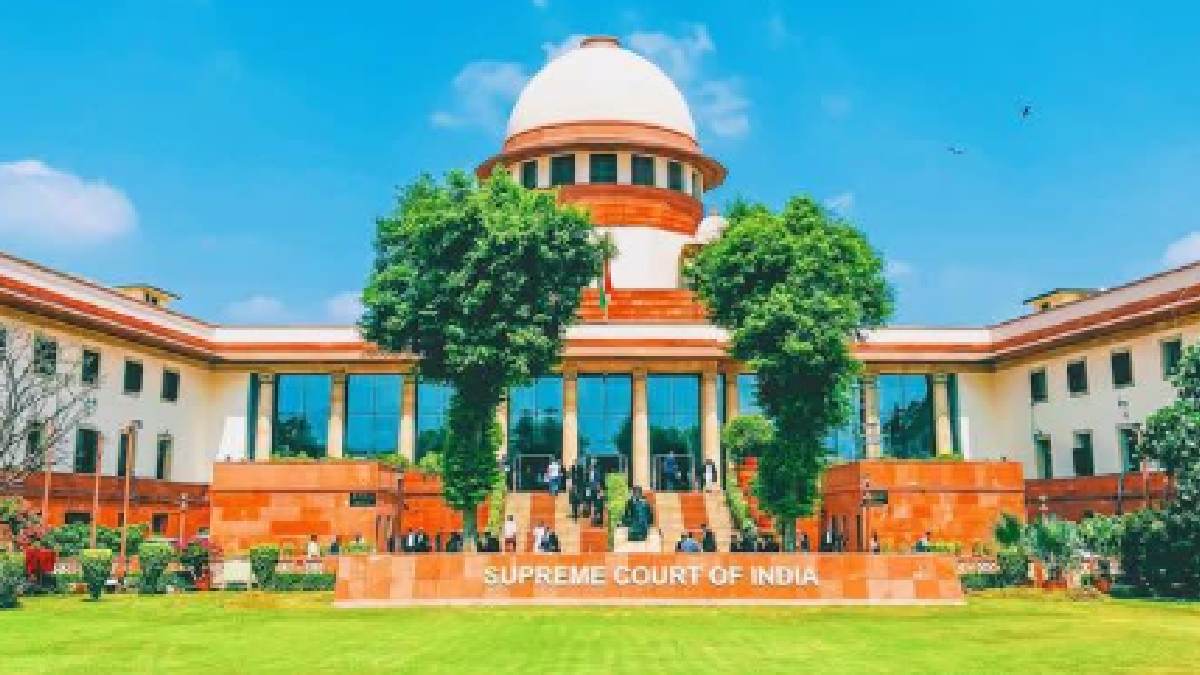
A court of Justices Dipankar Datta and Sheel Nagu ruled that the offences under Section 125A do not fall under the restrictions that were outlined in Section 195(1) of the Code of Criminal Procedure (CrPC), 1973. Section 195(1) includes some types of offenses that courts can take into account only after a complaint by the relevant public servant or authority. The Supreme Court said this does not apply to offences under Section 125A of the election law.
The judgment is significant because candidates are required to disclose specified information in their election affidavits. These declarations are intended to help voters make informed decisions by providing details required under election rules. The court’s meaning is that private complainants are not barred from starting a case just because the allegations relate to information in an election affidavit.
Why the Supreme Court Allowed Private Complaints
In its reasoning, the Supreme Court studied the relationship between Section 125A of the Representation of the People Act and Section 195(1) of the CrPC. The bench noted that if Parliament had intended complaints concerning false election affidavits to be filed only by public servants, it would have included Section 125A in the list of offences that were covered by Section 195.
The court also considered the legislative timelines of the two provisions. Section 125A was introduced in 2002, and Section 195 of the CrPC was amended in 2006. Parliament did not add Section 125A to the list of offences that required a complaint from a public servant, the judgment said.
The bench considered this omission as substantial when interpreting the law. It said there was no legal provision restricting complaints under Section 125A only to public servants. The court also pointed out that Section 125A is a punishment law, and anything in other laws that are in force will still be punished.
The interpretation means that any individual can bring a complaint to the appropriate legal forum claiming that a candidate has deliberately provided false information or omitted relevant information in an election affidavit. But no case will be made to prosecute someone and conviction will be given, if any, because the allegations will still need to be considered.
What Does Section 125A of the Representation of the People Act Say?
Section 125A of the Representation of the People Act, 1951, deals with penalties for specified failures or misrepresentations by candidates in connection with nomination papers and election affidavits. It addresses circumstances in which a candidate knowingly provides false information or fails to disclose information required under the law.
Election affidavits are of great importance for electoral transparency. It is precisely that information that candidates have to disclose before they are eligible to run and election filing information they are legally required to disclose to voters. False declarations of election law and the information that the electorate can receive would therefore raise questions about whether or not a candidate is adhering to election law and information that can be disclosed to the electorate.
By clarifying that private complaints can be filed under Section 125A without being required by law to be filed in public with a public servant complaint, the Supreme Court has illustrated the power that the law has to be used. Citizens can now go to their respective authorities to complain rather than depending on a government official for this purpose.
At the same time, the provision applies to the particular conduct described under the law. Any particular declaration will be an offence depending on the facts, the disclosure requirements and the evidence considered during the proceedings.
Karnataka MLA Case Behind the Supreme Court Judgment
The Supreme Court made the decision by hearing an appeal filed by Rajkumar Madki against a decision by the Karnataka High Court. Madki had filed a criminal complaint against Dr Shailendra Beldale, a member of the Karnataka Legislative Assembly.
Beldale was elected from the Bidar constituency in the 2023 Assembly elections. Madki had alleged that he submitted a false declaration about his residence address in his election affidavit. The complaint reached the Supreme Court in the end.
The Supreme Court decision resolved the legal question of whether a private person could file a complaint under Section 125A, or whether Section 195(1) of the CrPC required the complaint to be made by a public servant. By ruling that Section 195(1) did not cover Section 125A, the bench clarified the procedural position relevant to such complaints.
The ruling should not be seen as proof that Beldale's allegations have been proven. The main legal issue in the case is a private complainant coming forward under the relevant election law.
What the Verdict Means for Voters and Electoral Accountability
The judgment has strengthened the power of private citizens to raise alleged violations with election affidavits. An individual with a legal requirement to disclose information or false information on the affidavit is entitled to file a complaint under Section 125A.
The decision could also put into greater focus the importance of true candidates’ disclosure. Election affidavits are a significant piece of information to voters and legal mechanisms for dealing with alleged false declarations are part of electoral accountability.
But the ruling does not mean that all complaints against elected representatives will succeed. Complainants must follow the procedure and allegations will have to be evaluated on their merits. The court's decision is specifically with who can initiate a complaint under Section 125A and the inapplicability of the restriction under Section 195(1) of the CrPC.
In other words, the Supreme Court’s interpretation answers an important procedural question in election law. Given that private persons are able to file complaints about what they say are false election affidavits, the judgment opens up a path to legal scrutiny of declarations made by candidates that the law and the evidence for each case provides.






Comments
Leave a Comment