
The Gujarat government has changed its motor vehicle regulations by prohibiting display of caste-identifying words, symbols, signs and messages on private vehicles in the state. The move seeks to regulate caste identity displays on roads as well as provide clarity to rules governing markings on vehicles.
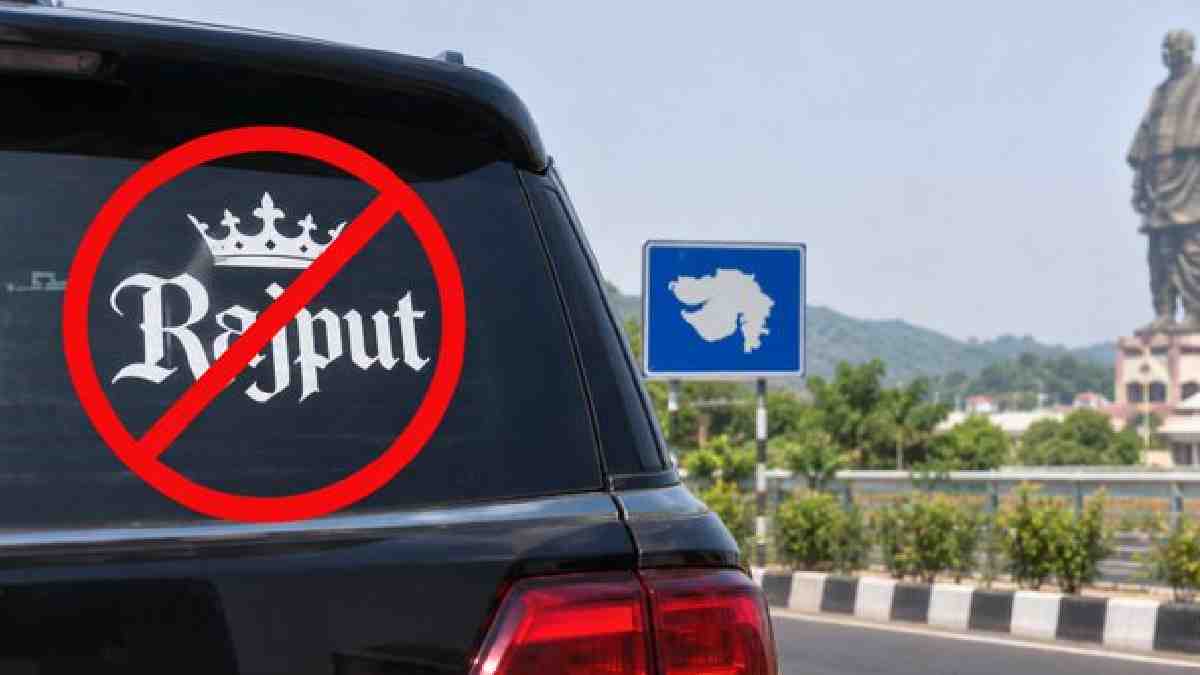
The new amendment covers all types of private vehicles (two-wheelers, three-wheelers, four-wheelers, buses and trucks). Vehicle owners will not be allowed to display caste names, symbols, figures or other identifying text on their vehicles unless permission is given by the state government.
On 17th November 2026 the Ports and Transport Department notified Gujarat Motor Vehicles (Third Amendment) Rules, 2026. The government has amended Gujarat Motor Vehicles Rules, 1989 by making specific provisions to restrict caste-based display on private vehicles under this amendment.
What Has Changed Under the New Rules
The amendment amends Rules 125 and 138 of the existing Gujarat Motor Vehicles Rules.
Under Rule 125(1), the earlier wording No advertising device, figure has been replaced by No advertising device, caste signage, figure. This brings caste-identifying signs within restrictions on displays on vehicles.
In addition to this, a new Sub-rule (3) has been introduced after Sub-rule (2) of Rule 138. Under this provision no advertising device, caste identifying sign figure or text shall be displayed on private vehicle unless permitted by general or special order issued by state government.
This means caste-specific stickers, lettering and symbols on vehicle bodies will now be under the new restrictions.
Which Vehicles Will Be Covered
The new regulation covers all categories of private vehicles running in Gujarat motorcycles, scooters, auto-rickshaws, private cars, buses and trucks.
Words identifying caste will be covered by the restriction when they are written on windows, body panels or other visible areas of a vehicle. The amendment seeks to give a clear regulatory position on displaying caste identities through vehicle signage.
However, government still has the power to make exceptions through specific general or special orders.
How Did the Government Arrive at This Decision
The amendment was not introduced without a consultation process. The Gujarat government had published draft rules in its Extraordinary Gazette on 11 June 2026.
The draft notification sought objections and suggestions from affected individuals as well as other stakeholders within 30 days. However, government notification said that no objections or suggestions were received during the period.
After this process was completed, the government finalized the amendment and notified the new rules on November 17.
What Does This Mean for Vehicle Owners
The new regulation gives authorities a specific provision in the Gujarat Motor Vehicles Rules to deal with caste based displays on private vehicles.
For vehicle owners this change means that words, signs or symbols identifying caste could lead to regulatory action. Motorists who have such stickers or messages on their vehicles should note the amended provisions.
However, the notification does not state a separate penalty amount or grace period for removal of existing displays.
With this amendment Gujarat has taken a formal regulatory step against public display of caste identities on private vehicles. How the new provisions are implemented and enforced will determine how much the rules change the appearance of vehicles across the state.





Comments