
Iranian President Masoud Pezeshkian has said that when negotiations are to be carried out, pressure and threats can’t be used and that good relations between the sides need to be based on mutual respect and commitment.
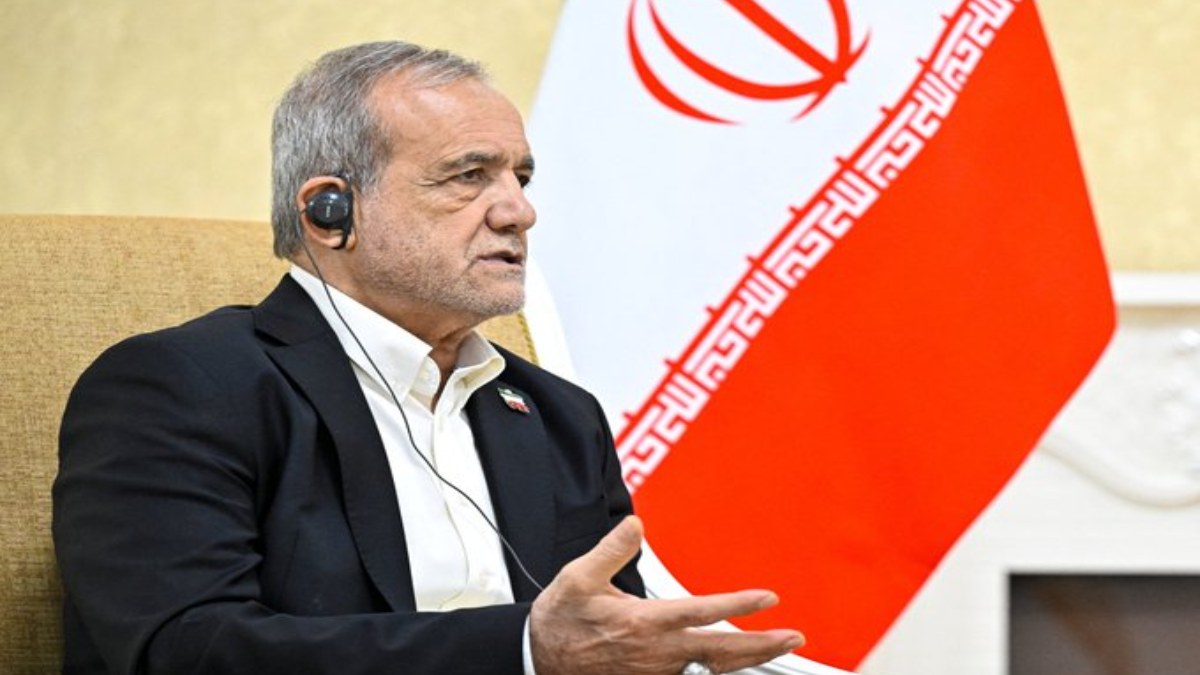
Speaking in Turkmenistan at a regional summit, Pezeshkian added that talks with coercion will not lead to a sustainable solution. The sanctions targeting Iran could have repercussions, he said, for regional trade, connectivity, energy supply and stability.
Pezeshkian told the Commonwealth of Independent States (CIS) summit that dialogue could only succeed if there were mutual respect and agreements in negotiations and no pressure or threats. He said that talk under the cover of force amounted to coercion rather than genuine negotiation. The Iranian president’s words speak to Tehran’s concern that economic restrictions and military pressure undermine confidence in diplomacy and make it more difficult to reach an agreement.
Pezeshkian Says Negotiations Must Be Based on Mutual Respect
Pezeshkian's comments, though, come after his earlier criticism of negotiations with Washington. On October 5, he questioned the necessity of renewed talks and claimed that Iran had been attacked by Washington after previous rounds of diplomatic talks. He said the US had combined negotiations with sanctions, pressure and threats and that had diminished Iran's trust in the process. These are the Iranian president's claims about the history of the negotiations, not conclusions about Washington’s intentions.
The Iranian leader’s comments indicate that Tehran wants any future diplomatic initiative to include promises that negotiations will not be accompanied by additional coercive measures. For Iran, the question is not just whether talks resume, but whether the process can produce commitments that both sides consider credible.
The United States and Iran have been at odds over the conflict and sanctions and regional security issues. With the previous diplomatic efforts, including indirect talks, not all progress has been made. A dispute over the terms of a solution is making it difficult to see a way down from there.
Iran Warns Sanctions Could Affect Regional Trade and Energy
The central part of Pezeshkian’s warning was about the regional effects of sanctions. He felt restrictions on Iran could have an impact on regional commerce, transport links, energy supplies and the broader regional order. His comments confirm Tehran’s position that economic pressure on a country with a strong regional trade and energy relationship can impact a country far from its borders.
Sanctions can restrict access to international financial services, complicate trade transactions and make cross-border commerce very difficult for businesses to conduct. If restrictions are placed on oil exports, shipping and energy-related business, the impact can also be felt by trading partners and markets that depend on stable supplies.
The consequences are even more important in the current situation of continued tension around the Strait of Hormuz, one of the most important maritime routes for the export of oil and gas. If shipping through the waterway is disrupted, transportation costs, energy prices and supply chains in many parts of the world will suffer.
But the extent of any regional economic impact depends on the extent of sanctions, the reaction of affected countries and how much trade and shipping is disrupted. Pezeshkian’s warning is Tehran’s assessment of the risks of continued economic pressure.
Strait of Hormuz Remains a Major Flashpoint
The Strait of Hormuz has emerged as a central concern in the larger tension between Iran and the U.S. The waterway is crucial to energy transportation globally, and maritime security issues have raised concerns about the reliability of shipments through the region.
Recently, the Strait of Hormuz has become increasingly dangerous; shipping in and around the Strait of Hormuz has been restricted, threats to maritime traffic are increasing, and the economic impact of the dispute is more imminent.
For governments and companies that depend on energy imports, longer-term disruption could mean more shipping and insurance costs, longer delays in deliveries and greater uncertainty on prices. Such effects wouldn’t only be felt by countries directly in the middle of the conflict.
The issue is a good example of how diplomatic disputes can have economic implications if they occur along critical trade routes. And any agreement that settles these issues and improves the security of maritime traffic will help to alleviate some of these issues, but only if the terms of an agreement are met and if the parties take the lead.
US-Iran Diplomatic Efforts Face Continuing Challenges
But diplomacy remains a key issue in Washington and Tehran’s relationship. The two countries have struggled to reach an understanding on military action, sanctions and Iran’s nuclear programme. In the past, negotiations and indirect diplomatic touchpoints have failed to yield a tangible resolution for both sides, and the future of the process remains uncertain.
Iran’s government has repeatedly argued sanctions and military threats undermine the prospects for meaningful dialogue. Washington, meanwhile, has continued to pressure Tehran by way of its wider approach to the conflict and regional security. The two sides have yet to resolve their differences over what the conditions for a long-term peace have been there and what it would take for an agreement to be reached.
Pezeshkian’s recent comments indicate that Iran wants negotiations to be conducted without coercive tactics. Whether this stance leads to fresh diplomatic engagement will depend on both governments’ willingness to address the problems separating them.
Regional Stability at Stake as Tensions Continue
The effects of the dispute are wide-ranging beyond the two countries. Continued hostility over security, energy transport, trade and diplomatic relations between neighbouring states would have a bearing on regional security, energy transport and trade. Middle Eastern countries have a stake in stopping it from becoming an all-out war as maritime routes and energy infrastructure are critical to the global economy in general.
Pezeshkian has defined mutual respect and reliable commitments as the basic ingredients to progress. His warning about sanctions also supports Iran’s argument that economic pressure can have impacts on regional partners and commercial networks.
There is not yet a clear picture of a breakthrough that would resolve the bigger conflict. If US-Iran negotiations are going forward and sanctions, maritime security and regional stability remain a threat, the future of US-Iran talks remains uncertain, and the Iranian president's words are only going to underscore once more whether diplomacy can proceed without further escalation.
The key challenge as both sides consider what they will have to do next is to come up with terms to support a long-term deal that is likely to work and less vulnerable to the region. Pezeshkian’s message is that negotiations need to be more than threats and pressure if they are to have any real chance of success. How Washington and Tehran can bridge the gap is still to be seen.







Comments
Leave a Comment