
A kindergarten owner in China was sentenced to life imprisonment after an investigation revealed toxic, inedible paint had been added to food served in the nursery in which hundreds of children and staff members were exposed to an unhealthy level of lead in the nursery, parents said. The scandal at Heshi Peixin Kindergarten in Tianshui, Gansu province of China, where food had allegedly been contaminated to make it look better, investigators say.
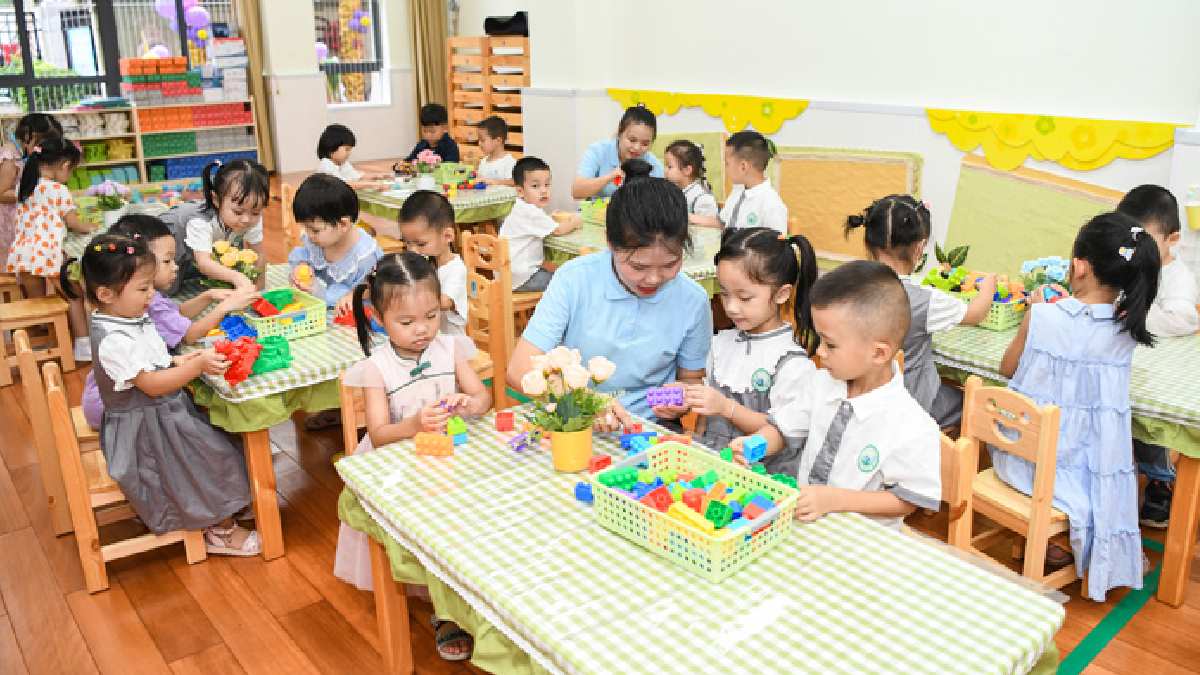
According to Chinese state media, Li Huifang, who ran the kindergarten, was convicted of producing and selling toxic and harmful food. The court also ordered her to surrender 500,000 yuan in her personal assets, which is about $74,700. A criminal offence is the worst and could result in children being exposed to a dangerous substance.
The case came to light in July 2025, when kids at the kindergarten began falling ill. Tests of 247 children and staff at the time revealed lead levels in their blood were abnormally high. Of these, 235 children were admitted to medical care for lead poisoning.
Toxic Paint Allegedly Added to Kindergarten Meals
Investigators discovered nursery staff had applied paint that was clearly marked as unsuitable for consumption to food served at the institution. The idea was to make meals more appealing and thus the kindergarten would get more students, the investigation revealed.
Food testing showed alarming levels of lead in samples taken during the investigation. Steamed red date cakes had 1,052 milligrams of lead per kilogram, and sausage and corn buns had 1,340 milligrams per kilogram.
These numbers were drastically higher than China’s national food safety standard of 0.5 milligrams per kilogram. The findings indicate the extent of the contamination and the serious risks posed by the food served to children.
Young children are especially vulnerable to lead exposure because their bodies and nervous systems are still developing. Even relatively low levels of exposure can have harmful effects so the reported contamination was particularly concerning. In addition to the food preparation and staff supervision issues, the discovery of a substance clearly marked as unsuitable for consumption had allegedly been used in meals also raised questions about the kitchen’s food preparation process.
Kindergarten Principal and Kitchen Staff Also Sentenced
The court imposed prison sentences on several other people linked to the case. Zhi Jinglin, the kindergarten’s executive principal, was sentenced to 15 years in prison and fined 300,000 yuan.
Four additional kitchen staff members received prison terms ranging from six to eight years. Li and Zhi had instructed the kitchen staff to add toxic substances to meals served to children and staff members, according to the court's findings.
The sentencing shows that responsibility extended well beyond the kindergarten’s owner. Management and kitchen staff were involved in the criminal case, and the court determined the punishment according to the roles and conduct of the participants.
This case has brought to light the role of accountability at childcare facilities where parents depend on staff to provide meals and maintain appropriate hygiene and food handling standards. Children in nurseries are often too young to identify contaminated food or communicate clearly when something is wrong, so preventive checks and effective oversight are especially important.
Investigation Uncovers Alleged Attempt to Conceal the Case
The investigation also uncovered efforts to interfere with the handling of the incident. Several provincial officials and hospital staff members were found to have interfered with blood test results and accepted bribes from an investor in the kindergarten, according to reports.
Such accusations have added another serious dimension to the case and raise questions about the credibility of medical testing and regulatory oversight. When a potential poisoning incident affects a large number of children, reliable testing is vital for determining who needs treatment and how widely a harmful substance has spread and when blood test results are used to determine who needs treatment and how.
What is to be done with the results can affect the identification of those involved and the timely diagnosis of illness and treatment. The findings thus highlight the importance of transparent reporting, independent testing and controls for corruption in the interests of children when children are at risk.
Why Lead Poisoning Is Dangerous for Children
Lead is a toxic metal and can damage multiple organs, especially the brain and nervous system. Lead exposure can affect children’s development, learning abilities, and behaviour, the World Health Organization says. High exposure can also cause serious health complications requiring medical attention.
Children may be exposed to lead in food, water, dust, soil or certain products. Because their bodies absorb lead differently from adults and their brains are still developing, they are at a higher risk of lasting harm.
The effects of lead poisoning vary based on the exposure and time. Some children may show visible symptoms and others may not look to be seriously ill despite high blood lead levels. So the testing and medical follow-up is very important when exposure is suspected.
In the Tianshui case, the number of children affected and the high lead concentrations in food samples indicated the importance of identifying contamination sources and making sure that affected children receive appropriate medical treatment.
China Introduces Tighter Food Safety Measures
After the incident, China introduced national guidelines to enhance food safety at educational institutions. Such measures include testing every new batch of food and requiring staple ingredients like flour, rice and cooking oil to be purchased through centralised procurement systems.
These are steps to improve traceability and make it easier to track the ingredients entering schools and kindergarten kitchens. Batch testing could also help institutions detect and control contamination before food is served, and centralised purchasing may also strengthen oversight of suppliers.
But such measures will be effective only if they are implemented consistently, with independent inspections and clear accountability when rules are broken. Food safety systems at nurseries and schools must be safeguarded at every stage– from the purchase and preparation of food to the preparation and serving.
The life sentence to Li Huifang marks a huge development in a case that has shocked families and raised broader concerns about food safety in childcare facilities. The fact that 247 children and staff members were found to have elevated blood lead levels is shocking, and the potential disaster to food safety and oversight is just the sort of thing that could be significant. And it underscores the need for thorough safety checks to make sure that meals available to children are safe, well-controlled and free of toxic substances.




Comments
Leave a Comment