
Three hikers have died after a volcanic eruption at Mount Dukono in Indonesia caught their group near the crater and turned an adventure into a deadly emergency. The incident has raised serious concerns about visitor safety around one of the country’s active volcanoes, especially whether the group was exposed to danger despite warnings about volcanic activity. It is under investigation if the tour guide failed to heed safety advice or failed to keep the hikers away from the dangerous area.
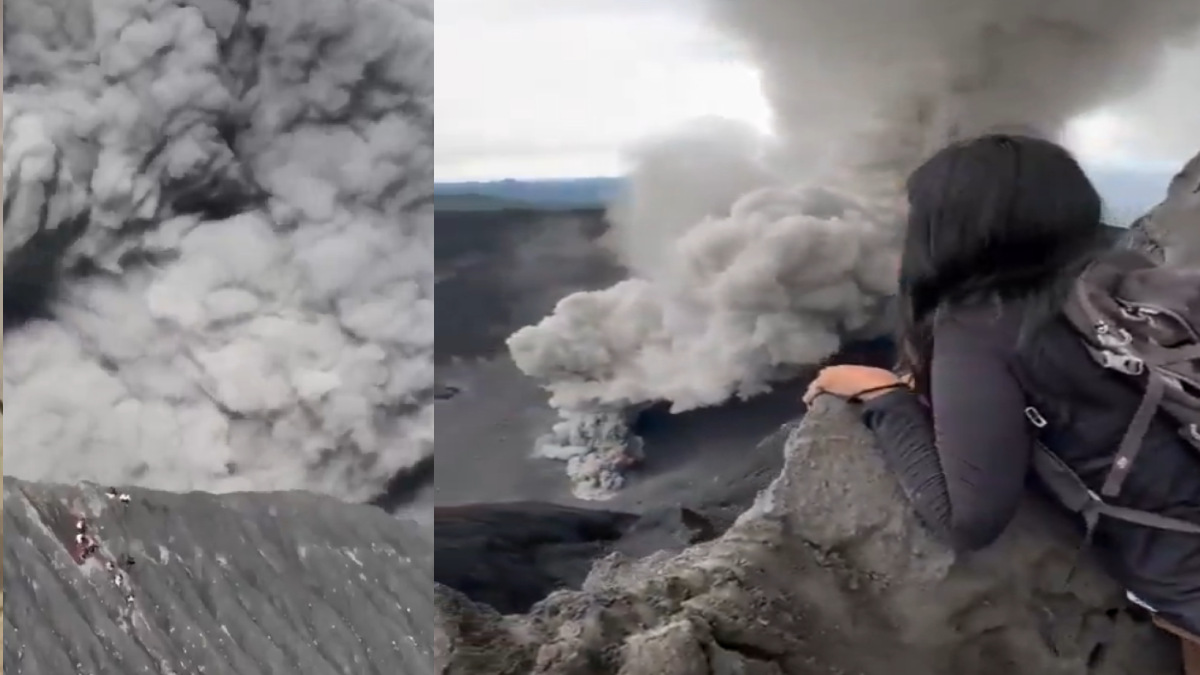
The deaths highlight the dangers associated with hiking near active volcanoes where conditions can go awry, and ash, hot gases and other hazardous materials can erupt with little warning. For travellers who experience a crater or an eruption, it can be a very special experience.
But when people enter the area they will experience, if they go too close (or they overestimate the dangers of volcanic environments) they could be in danger. The investigation will look into what occurred on the day of the trip and whether there were any precautions taken when the group was there and if people were informed of the dangers. Three Hikers Died: Two Singaporean Hikers.
The eruption took place on Halmahera Island in North Maluku Province, eastern Indonesia, on May 8, 2026. The three people who died were two Singaporeans (Timothy Heng and Shahin Muhrez Abdul Hamid) and an Indonesian woman (Angel Krishela Pradita). It was said the group had been among a group of about 20 hikers that had entered the crater area of the volcano. Seven other hikers were rescued, but some suffered injuries such as burns.
The eruption sent a huge cloud of volcanic ash about 10 kilometres into the sky. Falling volcanic material, ongoing activity and dangerous conditions around the crater complicated rescue efforts at first. The missing hikers were still unable to be found because the area was still hazardous, Indonesia’s authorities said. The bodies of all three victims were eventually recovered, and the search-and-rescue operation ended on May 10.
The Tour Guide Is Being Investigated. The tragedy triggered an investigation into whether the hiking group had been taken into a prohibited or restricted area despite warnings about the volcano’s activity. Indonesian authorities had warned climbers to stay at least four kilometres away from Mount Dukono’s Malupang Warirang crater because of increased volcanic activity. Access restrictions had also been tightened in the weeks before the fatal eruption.
🇮🇩 3 HIKERS have DIED after an eruption at Indonesia's Dukono volcano caught their group near the crater. Now authorities are investigating whether their tour guide ignored warnings about the danger. It's heartbreaking to think these people set out for an adventure and never came home. Volcanoes are incredible to witness, but the warnings exist for a reason. If they were ignored, the families deserve to know why. Writer: Oliver https://t.co/7UwcMtyOEY
— Mario Nawfal (@MarioNawfal) October 19, 2026
The investigation then evolved from an initial inquiry. Police on May 20 named tour guide Reza Selang as a suspect after they found evidence and determined there was reason to investigate his conduct. The case led to questions about the safety of people and how the tour operators had communicated the danger, how safety conditions had been communicated to tourists and how to act. The inquiry into responsibility should be distinguished from the final determination by the court of guilt.
Groups of tourists and travellers who come to visit the Dukono region are also vulnerable to violence and risk as they have not been in the region before. Local guides reported different routes to reach Mount Dukono, and some of them were less well supervised than others.
Mount Dukono is still a dangerous active volcano. Indonesia is situated on the Pacific Ring of Fire, a region that has been volcanically active. Mount Dukono is among 120 active volcanoes in Indonesia, and it is very dangerous to enter it. Even though the area is a great place for adventure travellers and photographers, ash clouds, flying rocks, hot material and other hazards can bring about a very dangerous situation from the crater.
Experts and local guides have advocated for following exclusion zones and following official warnings when travelling to a volcano. An eruption could happen very quickly, and there is little time to get out of the area around a crater. Even when a volcano seems quiet, changes in seismic activity and other warning signs can indicate that it is in serious trouble.
The deaths at Mount Dukono serve as a sobering reminder that adventure tourism is a business of careful planning and responsible decisions. Tour guides should take safety warnings seriously, and tourists should check current limits instead of just trusting the route is safe. But the families of the three hikers have been left with an irreversible loss. The investigation is vital not only for accountability but for preventing a similar disaster at Indonesia's active volcanoes.





Comments
Leave a Comment