
Iran has reportedly exempted ships from four countries (India, China, Iraq and Qatar) from its current transit restrictions in the Strait of Hormuz. The senior Iranian lawmaker made the announcement as tensions in West Asia remain high and concerns over international shipping grow.
Amir Hayat-Moqaddam, deputy chairman of the Iranian Parliament’s National Security and Foreign Policy Committee said vessels from these four countries were currently allowed through the waterway. His comments were carried by Iran Students News Agency (ISNA) and then international media.
Four Countries Named by Iranian Lawmaker
According to Hayat-Moqaddam the countries whose vessels are exempted from restrictions are:
- India
- China
- Iraq
- Qatar
He said the exemptions were in line with Tehran’s interests and its relationships with the countries concerned. That statement is important for India as well since the Strait of Hormuz is an important route for energy shipments from Persian Gulf.
But the announcement should not be taken as a guarantee that every vessel from these countries will pass without conditions. Shipping movements are still subject to the security situation prevailing and arrangements described by Iranian authorities.
Are Ships Required to Pay Transit Fees?
One point in the lawmaker’s statement is about charges levied on vessels.
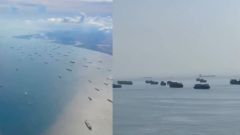
Hayat-Moqaddam said Indian and Chinese ships were still charged transit fees despite being exempt from the restrictions. Qatari ships, he added, were allowed to pass without paying anything.
He did not make clear whether Iraqi ships were also to pay fees.
This is important because exemption from transit restrictions does not mean free passage.
Why India Matters in the Arrangement
The Iranian lawmaker reportedly said that allowing Indian ships to pass would allow Iran to get medicines from India.
India has commercial and diplomatic interests in the Gulf region for decades. The Strait of Hormuz is especially important for its energy security because a lot of oil and gas from Gulf producers transit through this maritime corridor.
Any disruption to shipping through the strait will impact on energy prices, transportation costs and supply chains.
Why the Strait of Hormuz Is So Important
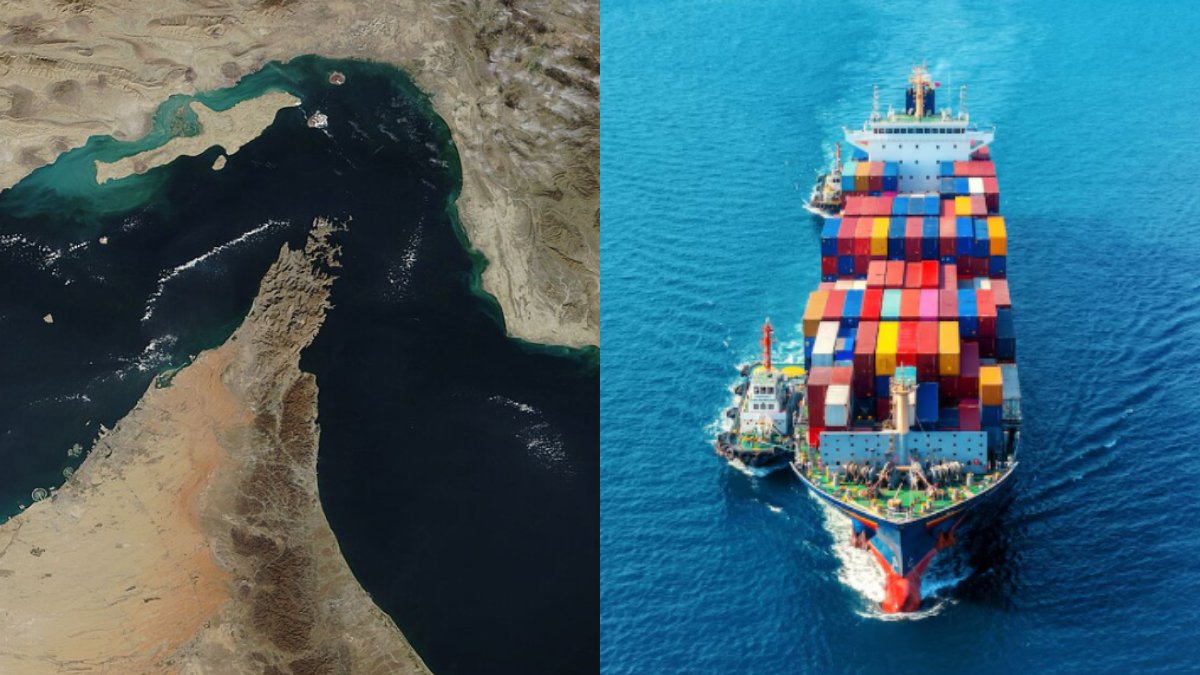
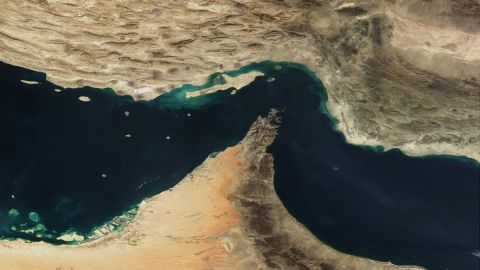
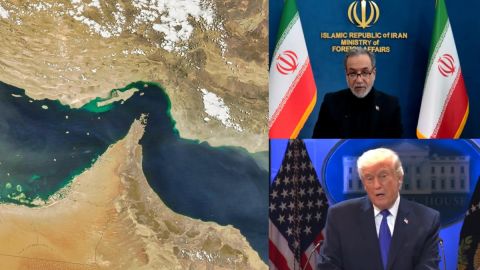
The Strait of Hormuz connects the Persian Gulf with the Gulf of Oman and wider Arabian Sea. It is one of the world’s most important shipping lanes for oil and liquefied natural gas shipments.
Its location makes it strategically important for major energy exporters and importers (India & China).
Restrictions on commercial shipping can have consequences beyond the Middle East (international fuel markets, global economy etc.).
What Happens Next?
The reported exemptions might give some relief to shipping operators from the four countries named. But it is still a delicate situation and the announcement does not mean that the Strait is open without restrictions for all international vessels.
Governments, shipping companies and energy markets will keep a close eye on developments. For India safe and predictable passage through the Strait of Hormuz is vital for energy supplies and trade links.
The takeaway here is that Iran’s reported exemptions apply to vessels from India, China, Iraq and Qatar but the conditions and fees are not identical for all four countries.






Comments