
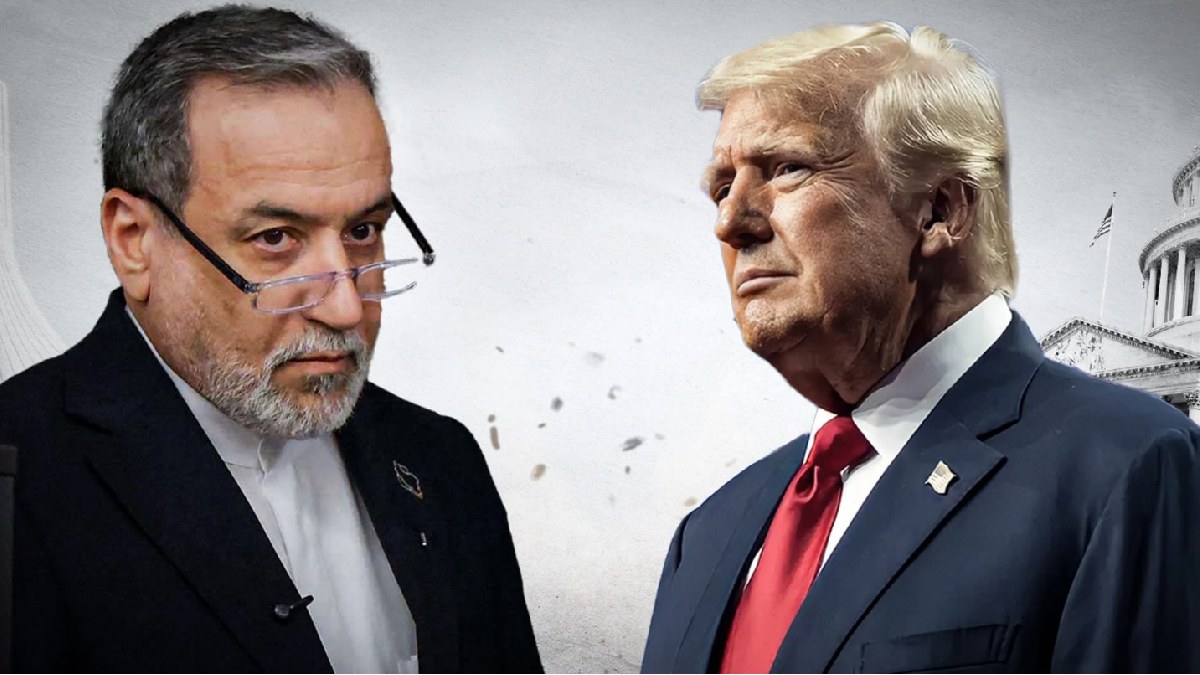
In an indication of a growing tension between Iran and the U.S., Iran’s foreign minister Abbas Araghchi issued a stern warning in a speech Thursday to the Iranian media that Iran also has “unfinished jobs” as it faces mounting threats from Washington and Jerusalem as well as Israel.
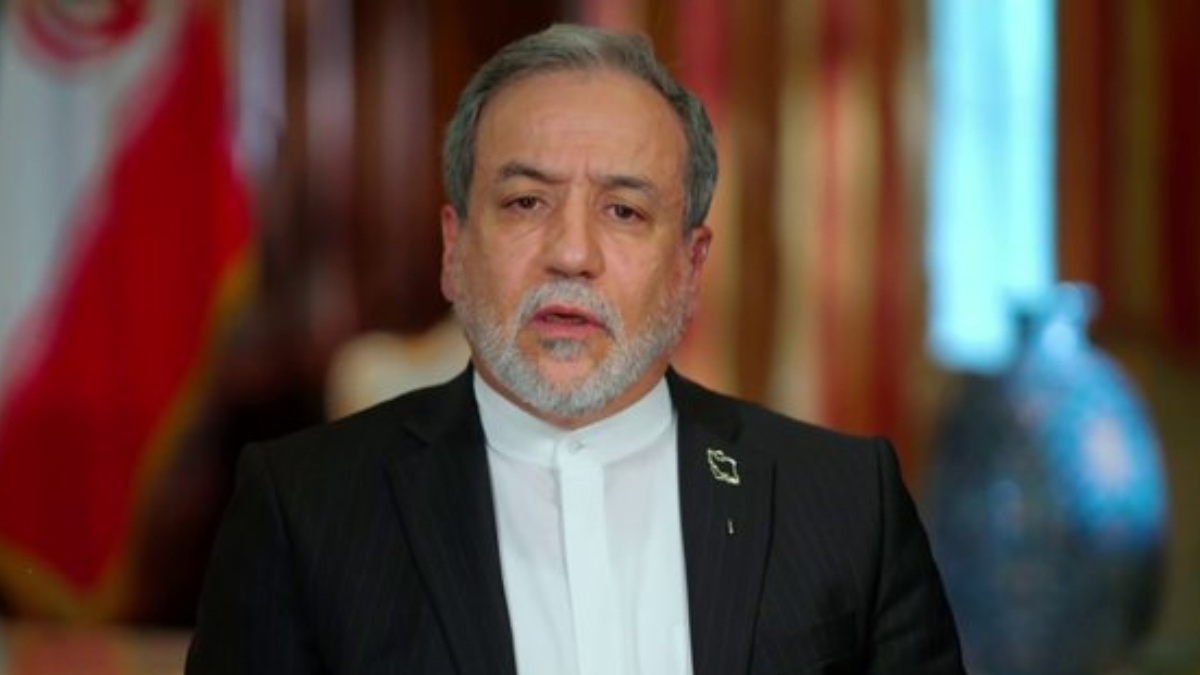
Iran’s threat came after President Donald Trump expressed concern that the United States would “finish the job” against Iran soon unless it changed course and Iran was to “do the right thing” and respond to that. Iran’s Foreign Minister Abbas Araghchi said in a post on social media that Iran’s resolve had made it stronger and called on the United States to consider the consequences of another military campaign.
Araghchi’s statement was a direct response to Trump’s more confrontational tone towards Tehran. In his social media post, the Iranian foreign minister said Iran had emerged stronger the last time Washington tried to “finish the job.” He then warned the US not to assume that another military strike would have the desired outcome.

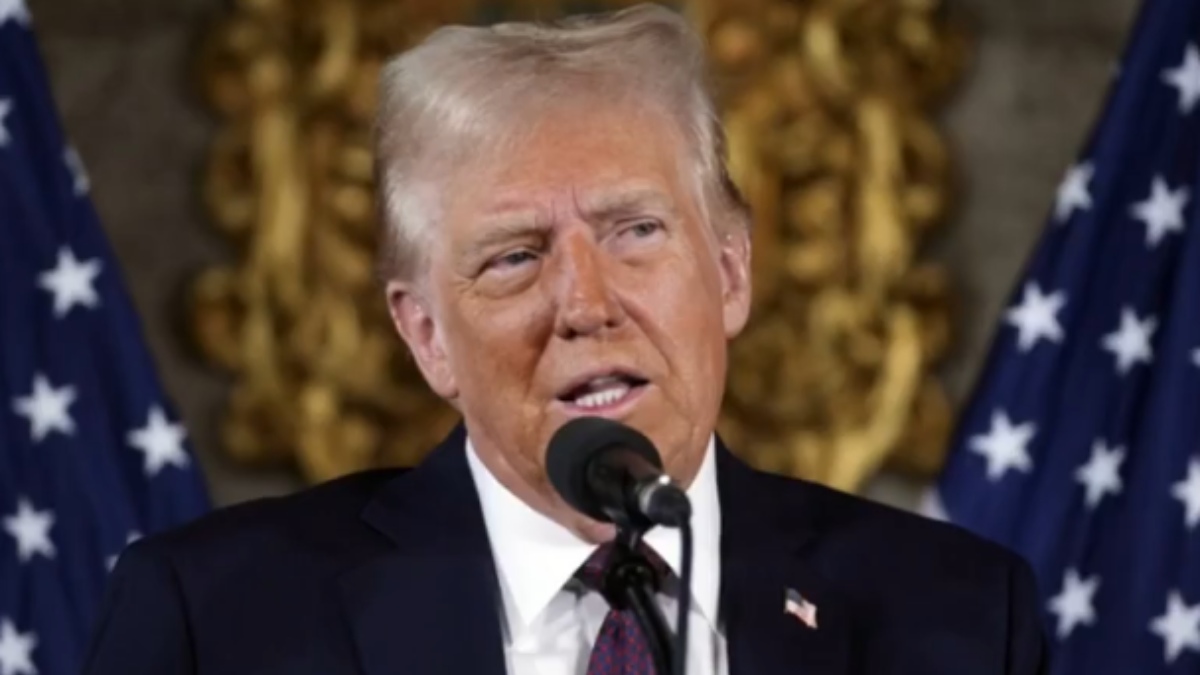
Araghchi also accused Israeli Prime Minister Benjamin Netanyahu of pushing the United States towards another war for his own political gain. In such cases, he said, Israel and the American president would be hurt. But the statement didn’t give any details about what Iran meant by unfinished objectives.
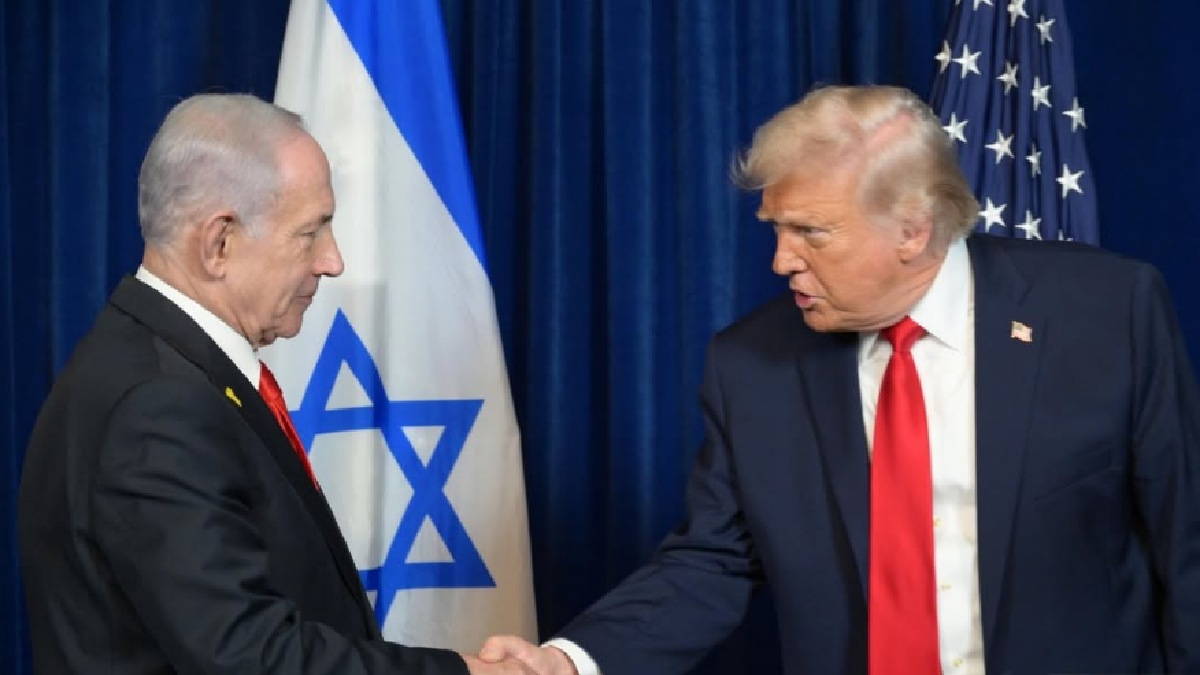
Trump’s remarks came on the heels of Trump endorsing Netanyahu ahead of Israel’s parliamentary election scheduled for October 27. Trump hailed Netanyahu as a strong wartime leader and said he would keep his support for Israel. Iran had been weakened militarily and economically, and if Iranian leaders failed to change their approach, Trump said, then Washington could go back to war.
Iran has been at the centre of a heated political debate between Israel and the United States. Israel’s government has regularly portrayed Iran as a major security threat, and Tehran has criticised Israel and Washington for trying to subvert its sovereignty and regional power. The new statements have made security, already fragile, even more fragile.
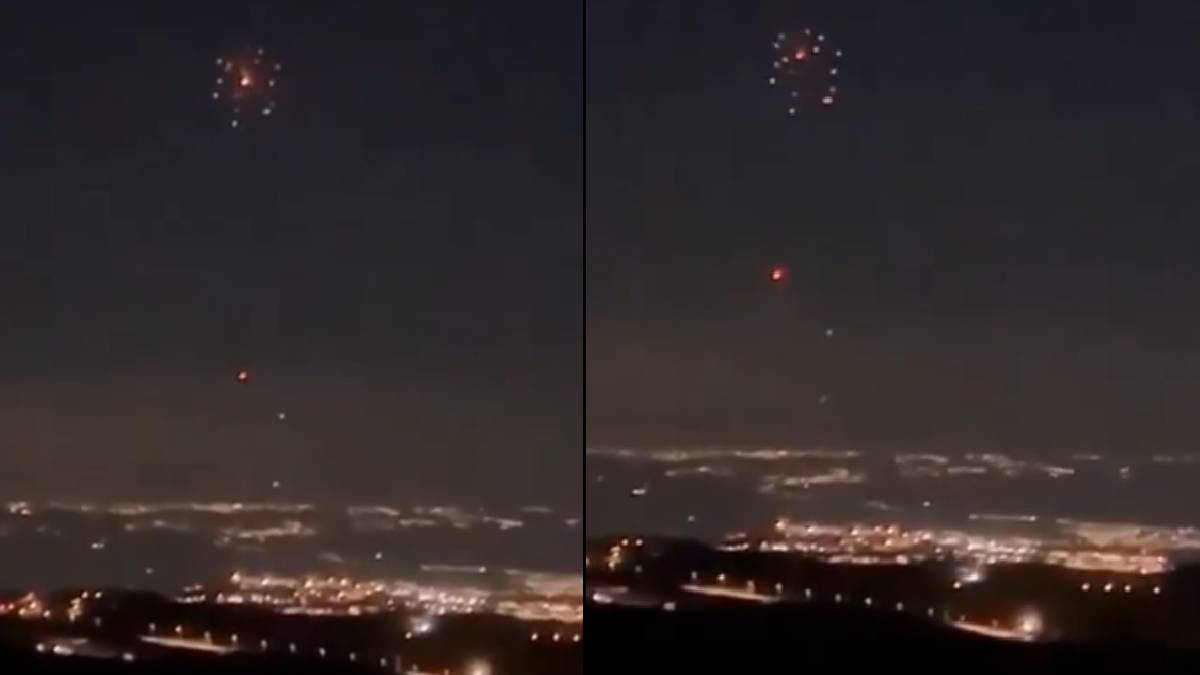
If war is resumed, the possibility of another military attack is rising. How would it affect security and regional peace, and what would be the effect on global security if it happens again in the region? A new conflict could involve missile exchanges, and a fresh war will probably involve missile exchanges, attacks on military installations and threats to strategic infrastructure.
Iranian military officials have said that an attack would not only be more serious and more severe than it has ever been with previous attacks on military bases or strategic bases and attacks on strategic structures. Tehran has also said that their response would be to respond to an attack in the region.
Iranian military officials warned that a new attack could see a more robust response to a new one, and it is not just the place at the very heart of the first attack. The United States and Israel have also repeatedly emphasised their concerns about Iran’s military capabilities and its regional activities. And with both sides issuing increasingly aggressive statements, the high level of risk of miscalculation is a big concern.
The Strait of Hormuz is also a source of tension. The narrow waterway between Iran and Oman is one of the world’s best highways for oil trade. If shipping through the strait is interrupted, then the energy supply will be disrupted and shipping prices will go up, and world oil markets will be rattled.
The wider conflict has already been putting pressure on regional trade and energy security. If hostilities resume, shipping companies, energy producers and governments in Asia and Europe will be put in greater uncertainty. Even without an actual attack on commercial vessels, the threat of escalation would affect oil prices and insurance costs for ships that work in the region.
But a gap between Washington and Tehran is still a big barrier for diplomacy remains a major obstacle. Iran has been seeking changes to the situation around the conflict, including sanctions and regional security-related measures, while the United States is pressing Tehran to change its approach.
Mutual distrust has made negotiations difficult for both sides, and the public warnings from political leaders have also limited the room for compromise. Military pressure alone is less likely to solve the disputes that lie at the heart of the conflict because the two sides fear that it will only make both sides feel worse for their own interests; either side would not be able to stand up to it in the face of this war if they back down from it, and it could be a loser and lose their strategic position, as well as the pressure on the other party, and there is mutual distrust between Washington and Tehran.
For now, Araghchi’s warning is a strong political and diplomatic message, not a declaration that Iran has launched a new military operation. But Trump’s remarks and Netanyahu’s political position have put the threat of another war back in the spotlight, and the country’s political climate has been more at stake.
The weeks to come will be crucial as governments weigh their options and international allies try to prevent a third, or even fourth, war. In any case, a return to war between Iran, Israel and the U.S. would have far-reaching effects on energy markets, regional relationships and global security. Now all that remains is whether the latest episode of violence will lead to new talks or lead to a restart of the conflict.






Comments
Leave a Comment