
Protests against rising living costs and deteriorating public services erupted in Milan, Italy, as demonstrators battled police, shops were looted, and rubbish bins and makeshift barricades were set on fire. Violence spread to parts of northern Italy on the weekend of October 17–18, 2026, with similar protests in neighbouring France.
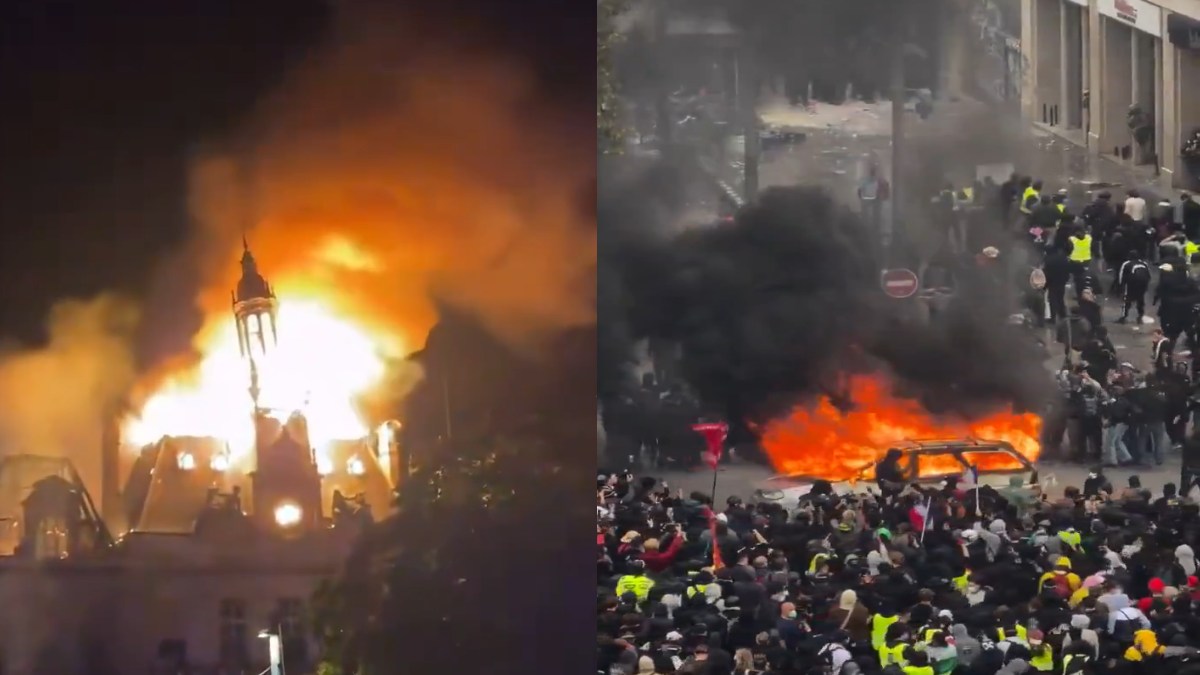
Public safety concerns, economic discontent, and the problems authorities faced as demonstrations turned into property destruction were raised again. According to Reuters and the Associated Press, the protests began over the cost of living and other political grievances before violence erupted in central Milan.
The violence was particularly visible in the Piazza del Duomo, one of Milan's most recognisable sites and a hot spot for residents and tourists. Masked demonstrators attacked police officers, damaging shops and looting stores, among others. Some protesters also set fire to barricades constructed from outdoor restaurant furniture, and rubbish bins and other street objects were damaged or used in confrontations. The disorder disrupted activity in the city centre, forcing people to leave areas that would normally be crowded with shoppers and visitors. A luxury shopping arcade was also affected by police trying to regain control over the streets.
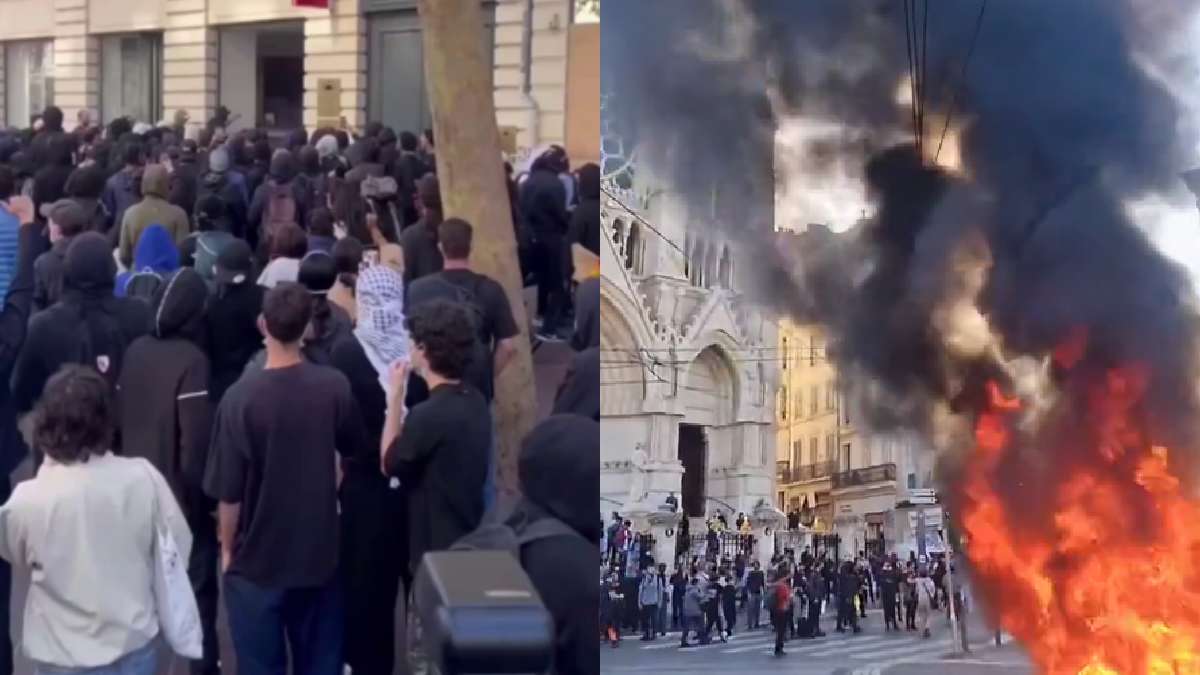
The demonstration was initially based on concerns about the increasing cost of living and opposition to wars, and demands for better living conditions. But the situation turned worse when groups of masked people clashed with police. Police used tear gas and water cannons to disperse the crowd and prevent the violence from spreading.
At least two police officers were injured in the clashes yesterday, the Associated Press reports, and about 50 people were arrested, including some minors. The figures related to the initial disturbances should be considered separate from the police action during the unrest yesterday.
The situation remained tense Sunday, October 18, when more confrontations took place in Milan. Reuters reported a few hundred hooded protesters broke shop windows, torched rubbish bins and clashed with police near the Piazza del Duomo. Officers in riot gear went on to disperse crowds again and seized tear gas and water cannons, the report said. Around 60 people had been taken to police stations for further investigation, police sources said. The second day of unrest highlighted the difficulty of police in separating peaceful demonstrators from groups engaged in vandalism and combative individuals.
But the problems were not only in Milan. Other northern Italian cities were also affected, including Bologna, Brescia, Bergamo and Turin. According to the police report cited by Reuters, 28 people were arrested after clashes in several cities on Saturday in which young protesters were involved in the clash.
Turin also saw some young protesters confront each other, with rubbish bins being placed on the highways and furniture on the streets used as barriers; some were reported as barricades. And the expansion of protests around various urban centres put pressure on local authorities to maintain order and peaceful demonstrations. The events also pushed the debate for a solution to economic grievances and dissatisfaction with public services in general to the forefront, but one that didn’t involve violence.
The unrest on the Italian streets coincided with the large demonstrations in France, where people marched in protest over rising living costs, public services and other economic and social issues. Some demonstrations in France also turned into violence with looting, fires, property damage and violence between police and demonstrators.
The parallel events led to comparisons between France and Italy, but the protests had different local conditions and grievances. The developments pointed to growing tensions across Europe, in which household expenses, public spending and living conditions have become the focus of public debate. But violence among some people should not be taken as representative of everyone who participated in the demonstrations.
Italian Prime Minister Giorgia Meloni condemned the violence and announced a government meeting on Monday, October 19, to discuss the situation. Milan Mayor Giuseppe Sala also condemned the destruction and acknowledged that some of the concerns driving the demonstrations were legitimate.
The authorities are now faced with the dual challenge of investigating alleged crimes and protecting public spaces while facing pressure from the public to deal with economic pressures and services. The events in Milan have served as a reminder that peaceful protest and public safety must be protected together. As investigations continue, the focus remains on identifying those responsible for vandalism, assessing damage and preventing any further attacks in Italian cities.




Comments
Leave a Comment