
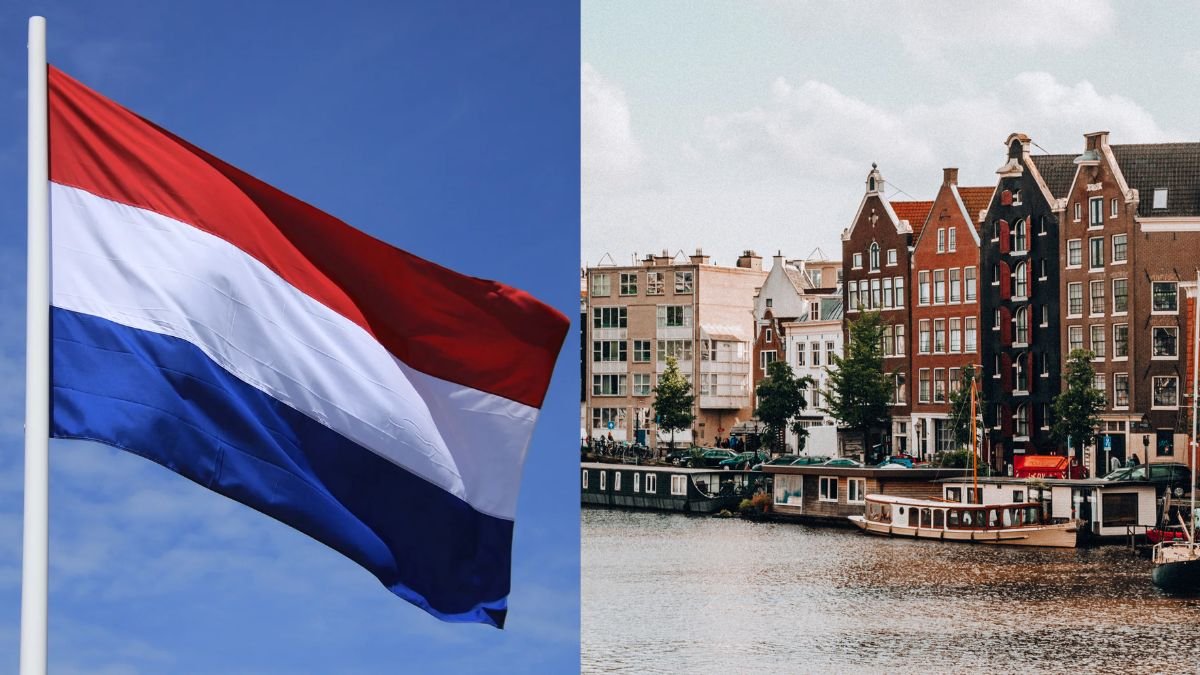
India has got an important piece of its ancient history back after the Netherlands returned 11th-century Chola copper plates during Narendra Modi’s official visit to the country on May 16, 2026. The handover took place in the presence of Modi and Dutch Prime Minister Rob Jetten at a ceremony involving Leiden University Library.
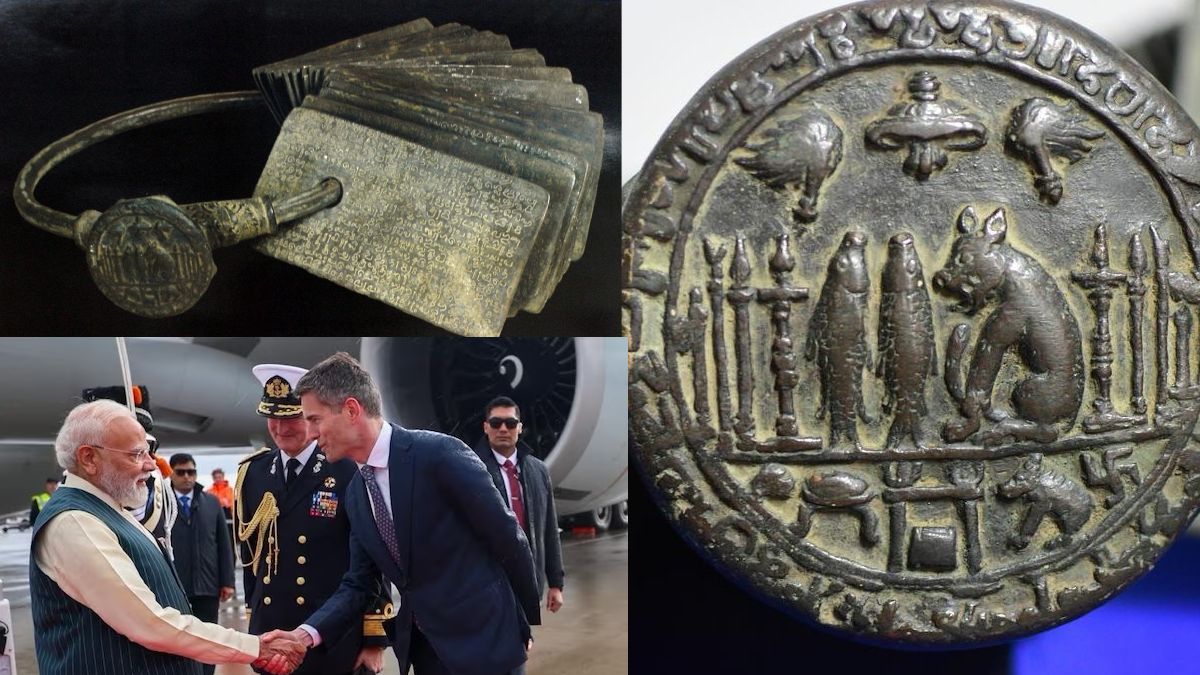
The return of the artefacts is an important milestone in India’s efforts to recover historical objects held overseas. The copper plates (Leiden Plates or Anaimangalam Copper Plates) are considered valuable records of Chola dynasty and its cultural, administrative and international connections.
What Are the Chola Copper Plates?
The collection contains 21 large copper plates and three smaller plates. The royal charters date from the 11th century and have inscriptions in Tamil and Sanskrit.
The records show that Anaimangalam village in present-day Nagapattinam district of Tamil Nadu was granted to a Buddhist monastery Chulamanivarma-vihara. The grant was made during the reign of famous Chola ruler Rajaraja I and it confirmed an earlier royal promise.
The monastery was associated with Chulamanivarman, ruler of the Srivijaya kingdom in Southeast Asia. The inscriptions therefore show historical connections between South India and Southeast Asian Buddhist communities.
Historical Importance of the Inscriptions
The copper plates give us information about the Chola dynasty (its royal lineage, religious patronage and administration).
The Sanskrit inscriptions record the dynasty’s genealogy; Tamil records describe Rajaraja I’s achievements and land grant. The documents also show how Hindu rulers interacted with Buddhist institutions during this period.
The donation is significant because it shows the Chola kingdom’s ties with international trade and religious communities across the Bay of Bengal.
How Did the Artefacts Reach the Netherlands?
The plates were kept at Leiden University in the Netherlands for more than a century. Historical research suggests that they were removed from Nagapattinam during Dutch rule (late 17th century).
They were probably brought to the Netherlands in the early 18th century and donated to Leiden University in 1862.
India had been pursuing their return since 2012. Leiden University then agreed to repatriate them after provenance investigation and recommendations from the relevant Dutch advisory committee.
A Major Moment for India's Heritage
PM Modi called the return a “joyous moment for Indians” and thanked the Dutch government and Leiden University for helping with handover.
Restitution is not just the recovery of historical objects; it also brings important primary sources back to India so that historians, researchers and cultural institutions can study them more closely.
The copper plates will help researchers continue studies on the Chola period and India’s maritime and cultural links with Southeast Asia; their return strengthens cultural cooperation between India and the Netherlands (showing how important it is to preserve and restore heritage).




Comments