
The Saudi military has spent tens of billions of dollars building one of the Middle East's most powerful armed forces, purchasing fighter jets, missile defence systems, radar systems and advanced weapons. But the Houthi movement in Yemen is showing that sophisticated military equipment can’t be considered a guarantee of security against all types of attack.
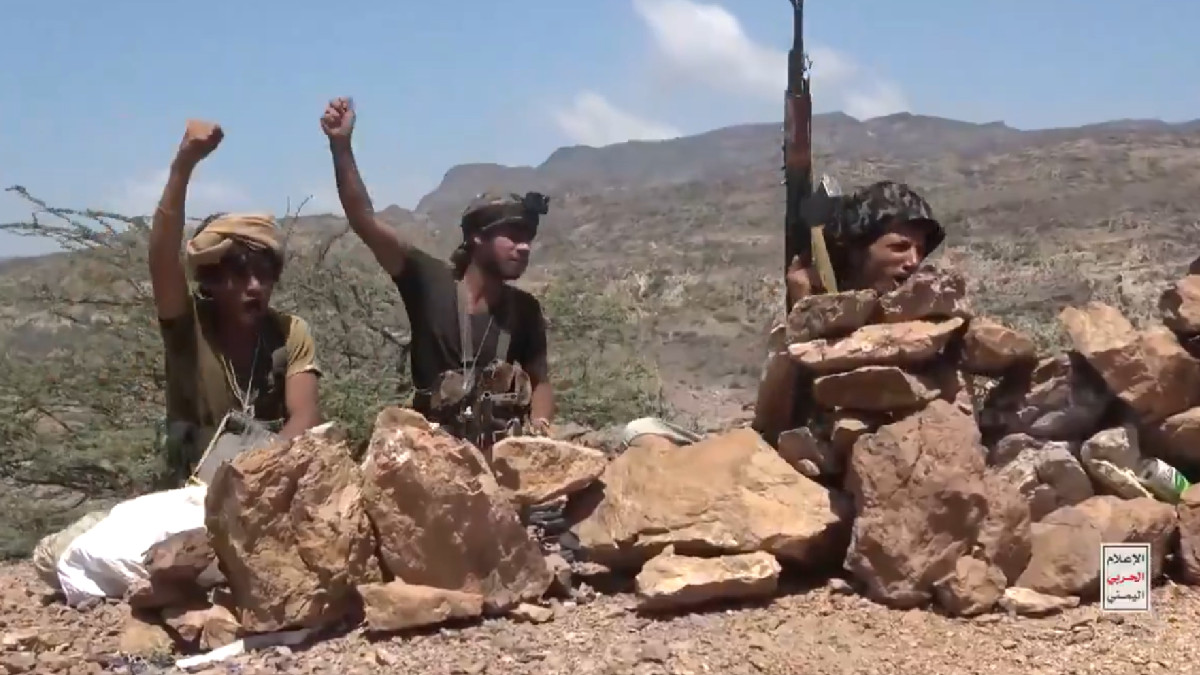
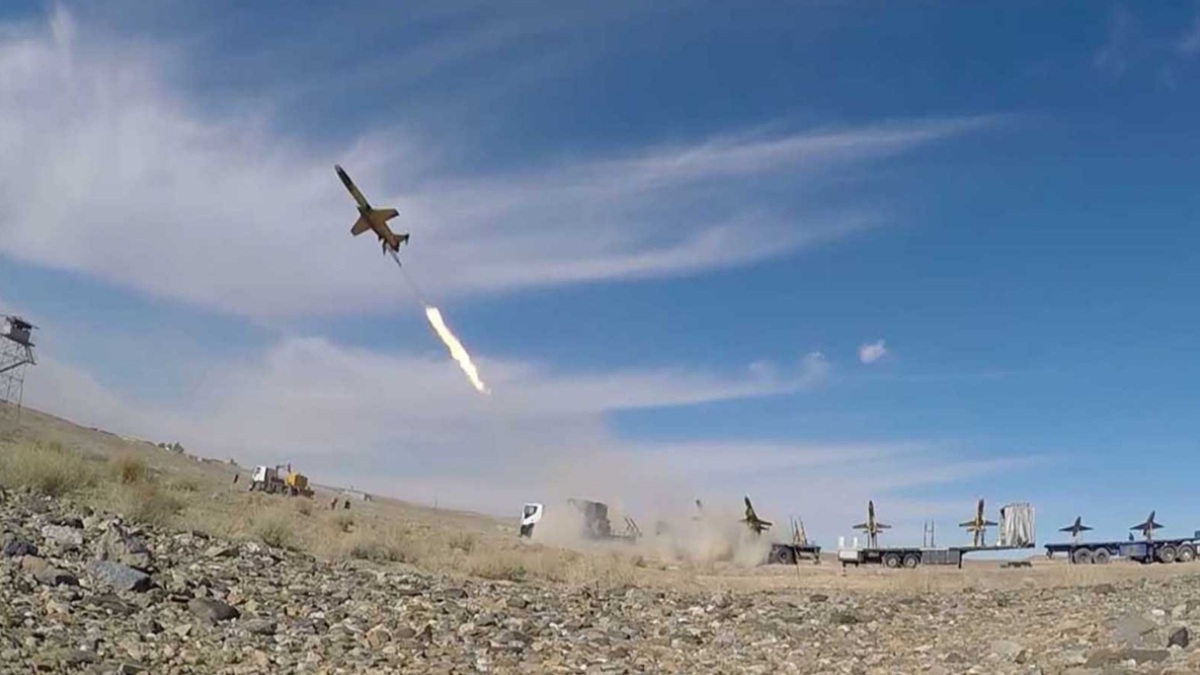
Houthi forces are using drones, missiles, and other relatively inexpensive weapons to threaten Saudi security, illustrating the tough challenges of fighting a well-funded nation when going up against an opponent that relies on asymmetric warfare. The figure of $83 billion is often associated with Saudi defence spending, although it should be understood in the context of the relevant year and whether the figure refers to a budget allocation, an estimate or actual expenditure. So it is not just how much Saudi Arabia spends, but how its military resources can detect, act on, intercept and deter a new threat.
One of the key challenges is the cost difference between offensive and defensive interceptors. Advanced air defence systems like the American-made Patriot are aimed at identifying and destroying incoming missiles and aircraft before they reach critical targets. But interceptors are expensive, and drones by non-state armed groups can be produced or assembled at a much lower price.
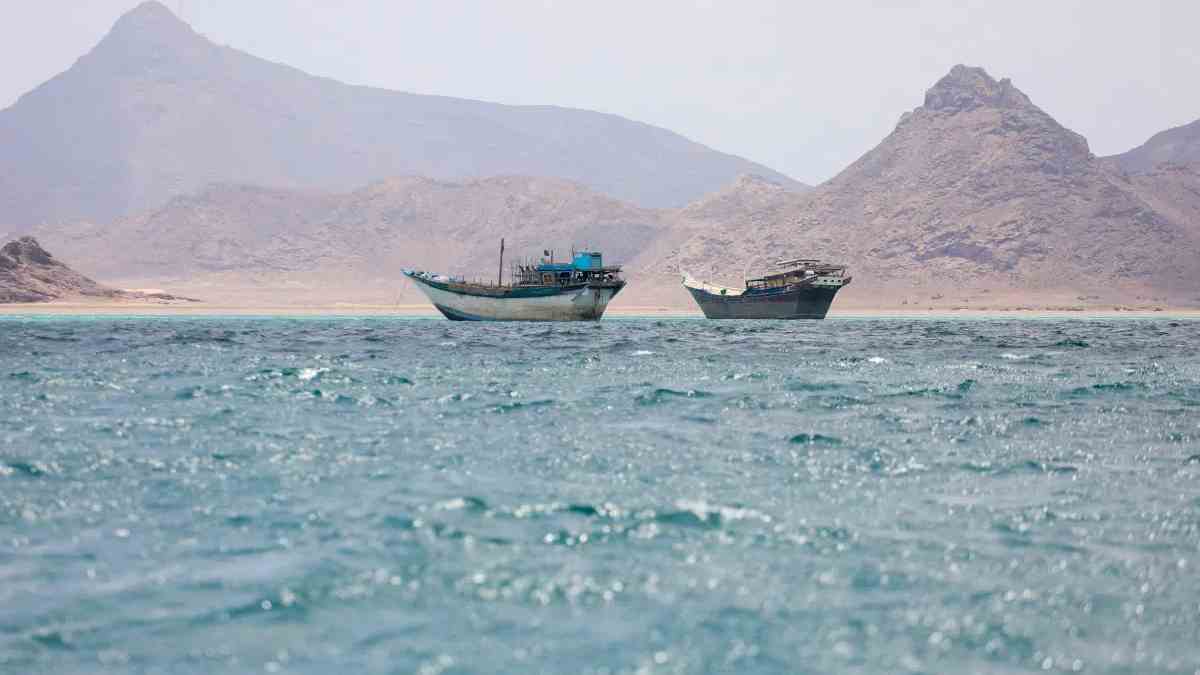

When a defender uses a high-value interceptor against a cheap incoming drone, the attacker can still impose a financial burden even if the attack is stopped. Repeated attacks can also put pressure on interceptor inventories, maintenance schedules and resupply plans. This does not mean that air defence systems are ineffective; rather, it shows why a country cannot rely solely on expensive interceptors to deal with every possible aerial threat.
The Houthis’ use of different types of weapons is another major challenge. Depending on the system involved, drones can fly at relatively low altitudes, approach targets along indirect routes or exploit gaps in surveillance coverage. Ballistic missiles, cruise missiles and one-way attack drones also have different flight characteristics, speeds and detection requirements.
To respond to such dangers, a network of sensors, early-warning systems, command centres, fighter aircraft and ground-based air defence needs to be able to share information quickly. Even the most advanced military might encounter obstacles when it must identify a threat, figure out its trajectory and authorise an interception within a limited period of time. The effectiveness of the overall network is not only dependent on the quality of the weapons but also on how well they work together.
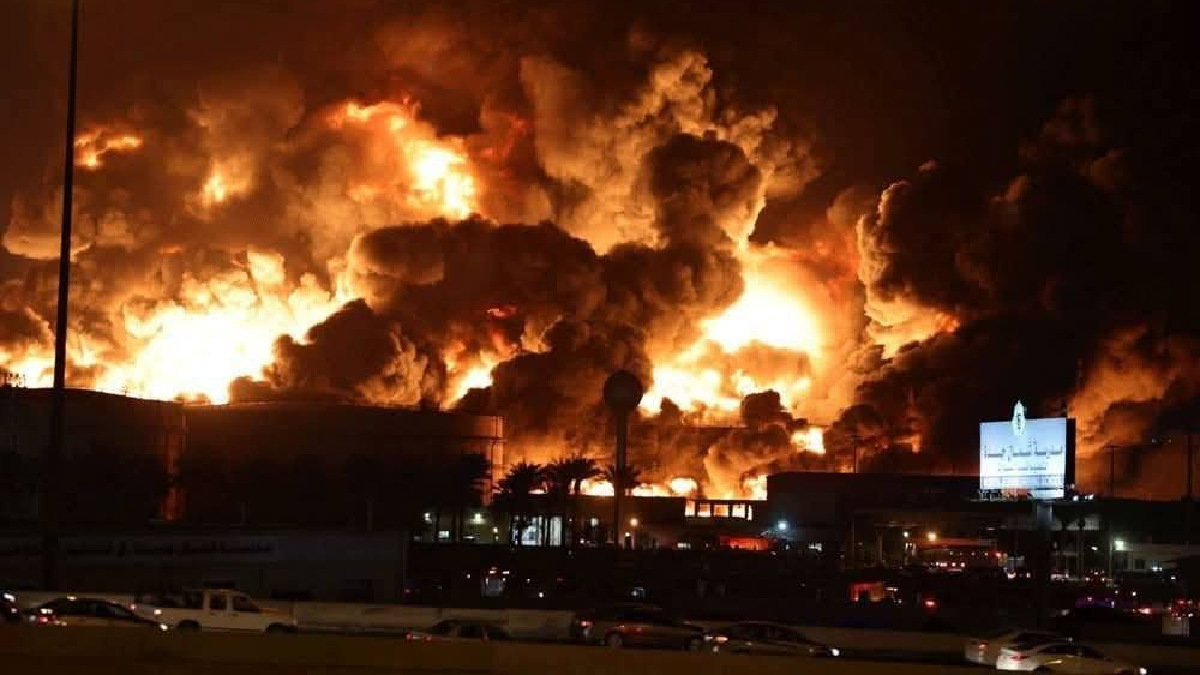

Saudi Arabia's geography is more difficult to handle. The kingdom is large in size, has long coastlines along the Red Sea and Persian Gulf, major energy facilities, airports, military facilities and densely populated cities that may need protection. There is no easy way to monitor a large area at the same time.
Oil installations and export facilities are crucial and can have far-reaching implications beyond national security, affecting energy markets and global confidence. Protecting every vulnerable location on a 24-hour basis is about prioritisation, layered defence and reliable intelligence. An adversary does not necessarily need to defeat an entire military to cause disruption; it can also exploit a limited vulnerability or force the defender to spread resources across many locations.
The operational readiness of Saudi Arabia's armed forces has been questioned too. A study in Seoul Economic Daily (September 2026) highlighted the division of duties between the regular forces, the National Guard and the Royal Guard. While these are different organisations that have different purposes for security, coordination among them is essential in a complex attack.
If there is no quick sharing of intelligence, command decisions and operational plans, the response may become less effective. These concerns suggest defence spending needs to be underpinned by strong command structures and realistic training, and be able to adapt to changing battlefield conditions.
Saudi Arabia has to rely on foreign suppliers for some of its most advanced military systems. It has a wealth of advanced aircraft, including F-15 fighter jets and Eurofighter Typhoons and American-made Patriot and Terminal High Altitude Area Defence (THAAD) missile defence systems.
These are powerful aircraft, but you need trained personnel, spare parts, technical support and ammunition. Dependence on overseas manufacturers to maintain and supply them in a long conflict can hamper long-term maintenance and resupply. Riyadh has been investing in developing its own defence industry, but creating a self-sufficient defence industry takes time. Purchasing advanced equipment is only one part of military preparedness; the ability to operate, maintain and integrate that equipment under pressure is equally important.
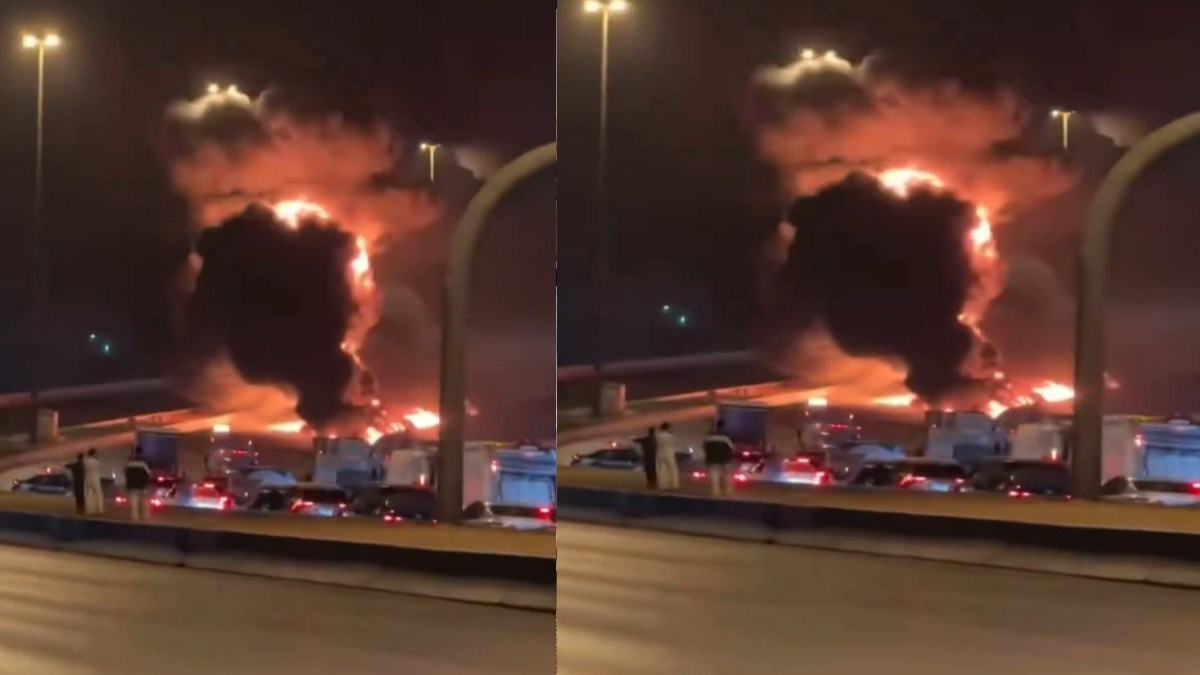
According to reports from October 12, the deadliest missile and drone attack took place in Riyadh’s King Khalid International Airport on October 10, and casualties and injuries rose into the hundreds.
Saudi authorities have also come under fire for the way in which the country’s air defence system was able to respond to the attack, and the claim that it failed to prevent such a severe attack has been made. There are also fears about the security of airports, energy infrastructure and other important targets to be secured and the details of each attack - for example the casualties of victims and the weapons used in the attack - could differ from report to report as investigations continue.
The effects go beyond the battlefield. Saudi Arabia’s Vision 2030 initiative aims to diversify its economy and boost tourism, in turn turning it into a major global business and transport centre. But continued missile and drone attacks undermine those goals by creating uncertainty for airlines, investors, international business and tourists.
Even if there is little damage done to airports and energy facilities, disruption of shipping routes around the Red Sea and the strategically important Bab el-Mandeb Strait is a threat to the economy. So for Saudi Arabia, defeating the threat is more than only a military mission; it is also essential to protecting economic development and the country's international reputation.
Ultimately, Saudi Arabia’s problems demonstrate that military strength is not the sum of defence expenditure alone. Saudi Arabia has the weapons and money to buy them; the Houthis have developed methods to exploit the limitations of conventional military power.
Better integration of air defence systems, improved early-warning capabilities, stronger intelligence coordination, timely interceptor development, and more effective protection of critical infrastructure will be needed to address the problem. Diplomatic engagement and efforts to reduce the wider conflict will also be important, as military operations can’t simply end the political and security conditions behind the Houthis’ resilience. Saudi Arabia’s $83 billion defence budget is significant, but the continued violence shows that turning that into full security is still a hard thing to do.







Comments