
A viral social media post has reignited a fresh debate about workplace culture, employee boundaries, and the changing attitude of Gen Z professionals towards work. The conversation began when a woman posted a story of a manager who was reportedly stressed over what he described as the “Gen Z attitude” among some employees in his organisation.

According to the original post on X, formerly Twitter, the manager had also been working on the job with younger employees. But a particular incident, however, seemed to trigger a strong reaction online after users found out about the circumstances of an employee’s sick leave.
According to the viral post, one of the manager’s Gen Z team members had taken sick leave. During the leave period, the manager asked the employee whether she could work from home “for a while.” While this might seem like a request to take care of work, the employee did not want to be asked to work when she was sick.
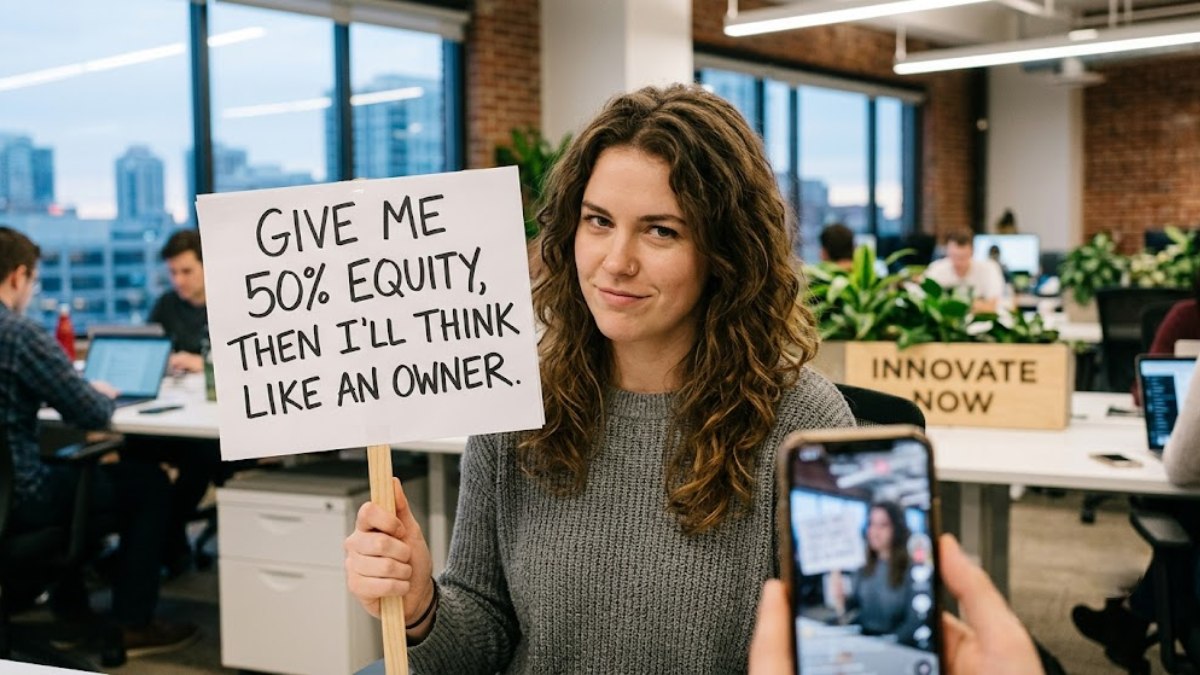
What happened next became the main talking point of the viral post. The employee allegedly took “another two days off” after the work-from-home request, the post claims, because she was upset when the manager had contacted her about work during her official sick leave.
The situation got worse when the employee started looking for another job; she went to an interview elsewhere, was selected for the new position, and resigned shortly afterward.
The story did not end there. The post also said that another Gen Z employee from the same team followed a similar path after seeing the incident. The second employee was even less willing to continue working for the company.
My friend, who’s a manager in a corporate, is so stressed because of the Gen Z attitude.
— Sheetal (@sheetalbytheway) September 5, 2026
One of his Gen Z team members took sick leave. He asked her to WFH for a while, she got pissed, took another 2 days off, gave an interview somewhere else, got selected, put in her notice the…
According to the viral account, he said he had accrued paid leaves and asked the company to adjust those leaves against his notice period. He told management he would not be coming to work from the following day.
Social media quickly responded, and many people commented and wrote about the situation in a very strong manner. Some people questioned whether employees should resign so soon because of workplace discord, but the majority of users sided with the Gen Z employees, as well.
Several social media users said that employees shouldn’t be expected to work when they are on sick leave. For them, sick leave is a way for workers to recover, so asking employees for work-related tasks during the sick leave period can go beyond professional boundaries.
One user said the manager “deserves” the stress and that employees on leave should not be disturbed unless there is an exceptional case. There was a larger discussion about work-life balance and the expectations placed on employees outside of regular working hours.
But others said they were worried about job changes and the long-term consequences of frequently changing jobs and refusing notice periods. Some users said that such decisions could eventually damage the employee’s professional reputation if future employers look at the employee’s past work history and employment patterns.
The viral conversation underscores the growing divide between traditional workplace expectations and the changing priorities of younger professionals. Gen Z employees are often associated with putting greater weight on mental well-being, work-life balance, personal boundaries, and flexible working conditions.
At the same time, managers and organisations are under pressure to remain productive and complete important work. For workplaces, it’s hard to find a balance between business needs and employees’ time, health, and approved leave.
It should be said that the authenticity and details of the viral post could not be independently confirmed. However, the story has generated a lot of discussion online, and once again, workplace boundaries are one of the topics of debate in the modern corporate world.





Comments