
The Kerala High Court has expressed concern over the state’s road safety infrastructure after it found only four dedicated speed detection systems in Kerala even though more than 1.56 crore electronic traffic challans have been issued there.
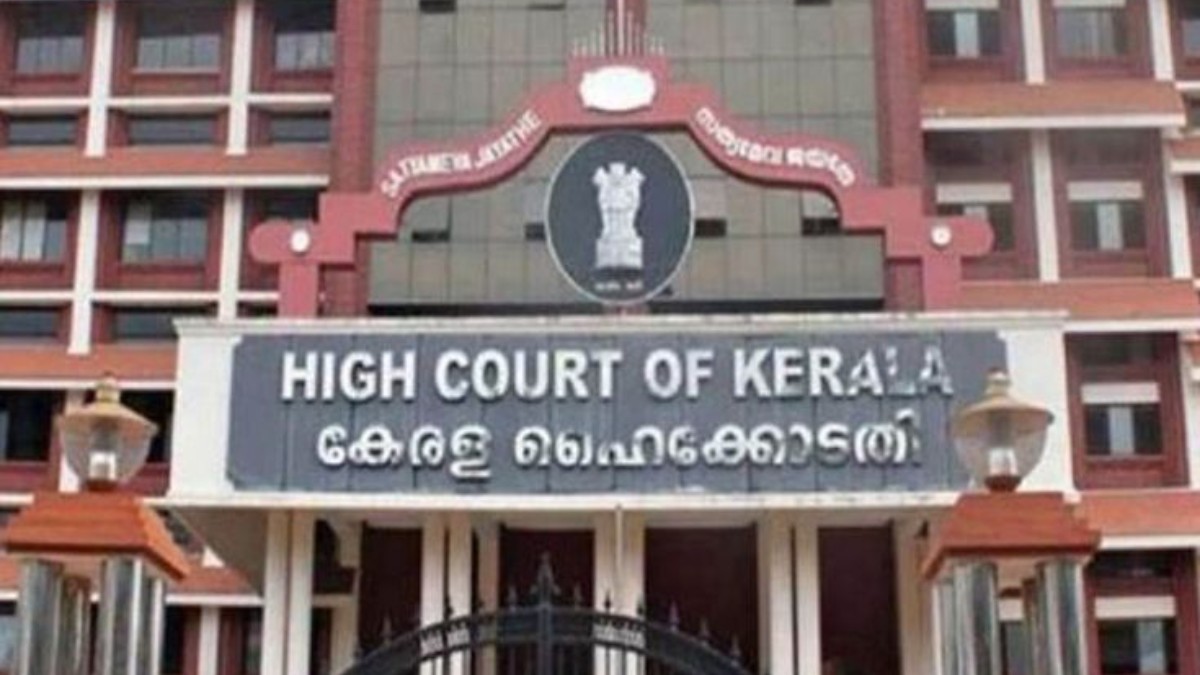
The court said the network of speed detection cameras should be expanded where speeding violations and road accidents occur frequently. It asked state Transport Commissioner to identify such stretches and submit a report showing proposed installations and time frame for implementation thereof.
The observations were made by a Division Bench of Justices Raja Vijayaraghavan V and K V Jayakumar while hearing a suo motu case on road safety and the continuing loss of lives in road accidents.
The court was checking whether government departments and agencies had complied with earlier directions to improve traffic enforcement, infrastructure and accident prevention.
Kerala Has 726 Traffic Surveillance Systems, but Only Four Detect Speeding
During the course of proceedings, state Transport Department told the High Court that 726 electronic surveillance systems had been installed on national highways, state highways and major traffic corridors under Safe Kerala Project.
But the distribution of these systems also raised questions about the state’s ability to monitor different types of traffic violations.
According to the department’s report, these are 726 systems:
- 675 artificial intelligence-enabled cameras
- 25 Parking Violation Detection Systems
- 18 Red Light Violation Detection Systems
- Four Speed Violation Detection Systems
The camera network is controlled from a central control room in Thiruvananthapuram and 14 district level control rooms.
These systems detect various traffic violations such as riding without helmets, not wearing seat belts, using mobile phones while driving, triple riding, red light violation and unauthorized parking.
However the court noted that “the number of dedicated speed detection systems was insufficient when one takes into account the scale of electronic enforcement and the number of violations recorded”.
It asked the Transport Commissioner to find accident-prone locations and stretches where speeding violations occur frequently and take steps to install additional systems.
Over 1.56 Crore E-Challans Issued, Fines Exceed ₹1,017 Crore
The Transport Department told the court that it had issued more than 1.56 crore electronic challans till October 30, 2026.
The total fines collected through these challans was ₹1,017.46 crore.
However the department did not say how much of this amount had been collected.
The court wasn’t just concerned about how many challans were being issued. It was asking whether the enforcement infrastructure we had was adequate to tackle speeding (which is still a major road safety problem).
The distinction is important because the 1.56 crore challans relate to several categories of traffic violations. They cannot be understood as speeding offences only.
The court also directed the Transport Commissioner to prepare a comprehensive enforcement protocol for regular monitoring coordination and follow up action. The department must submit records showing how enforcement measures are being implemented on the ground.
Shortage of Enforcement Personnel Limits Round-the-Clock Monitoring
The proceedings also noted a shortage of personnel responsible for traffic enforcement.
The Transport Department told the court that only 85 enforcement squads were functioning across Kerala under the Safe Kerala Project.
These teams have been deployed on important roads (National Highway 66) to check traffic violations, prevent unauthorised parking, enforce lane discipline and assist road users.
However, the department said staff shortages made it hard to enforce 24/7.
It has sought more manpower from the state government so that enforcement squads can work in three shifts and cover major roads better.
The proposal is currently under consideration.
The court also asked the department to step up enforcement against dangerous driving, speeding, drunk driving, racing and vehicle overloading.
High Court Questions PWD's Response on Road Safety
The High Court was also not satisfied with the Public Works Department’s response to earlier directions regarding road infrastructure and accident prevention.
PWD maintains around 30,000 kilometres of roads in Kerala.
The bench said the department’s affidavit was general in nature and did not deal with issues raised earlier. It had not dealt sufficiently with observations made by Comptroller and Auditor General also, it added.
The court ordered PWD to submit an affidavit explaining the measures already taken, structural improvements proposed and how it planned to make roads safer.
The department was also asked how it planned to substantially reduce road accidents so that roads across the state would be accident free.
Court Calls for Statewide Digital Road Safety Monitoring Platform
Another major issue discussed during the hearing was a coordinated system to monitor road safety across Kerala.
The High Court stressed that a statewide GIS-enabled Integrated Road Safety Monitoring Platform should be developed.
The proposed platform would bring together information from different government departments and help authorities: The proposed platform is expected to bring information from various government departments together and assist authorities:
- Find and track accident-prone locations (black spots).
- Record road hazards reported by citizens.
- Monitor road maintenance and safety audits.
- Track whether corrective action has been taken.
- Name the officials who are responsible for solving specific road safety problems.
The court directed the Additional Advocate General to coordinate efforts of concerned departments and agencies. It also asked Director General of Police to nominate a competent officer in steering committee of the platform.
Accountability is needed to ensure that reported road hazards and infrastructure problems are attended to quickly.
Kerala High Court Gives Departments Three Weeks to Submit Proposals
The High Court has given the authorities three weeks to submit concrete proposals and updated information on their road safety initiatives.
The Transport Commissioner must report where speed detection systems would be installed; the number of systems proposed and when they will be installed.
PWD and other concerned agencies must also give details of corrective measures and pending work.
The matter has been posted for further consideration after November 30, 2026.
The proceedings make clear that traffic challans are only part of road safety enforcement. Speed monitoring, trained personnel, safer roads infrastructure and accountability among government departments are also needed to reduce accidents and protect road users.



Comments