When people think of acne, they picture teenagers with acne during puberty. While acne is usually associated with adolescence, it doesn’t just happen to teenagers. Adult acne affects millions of men and women and can develop at any age (30s, 40s, 50s).
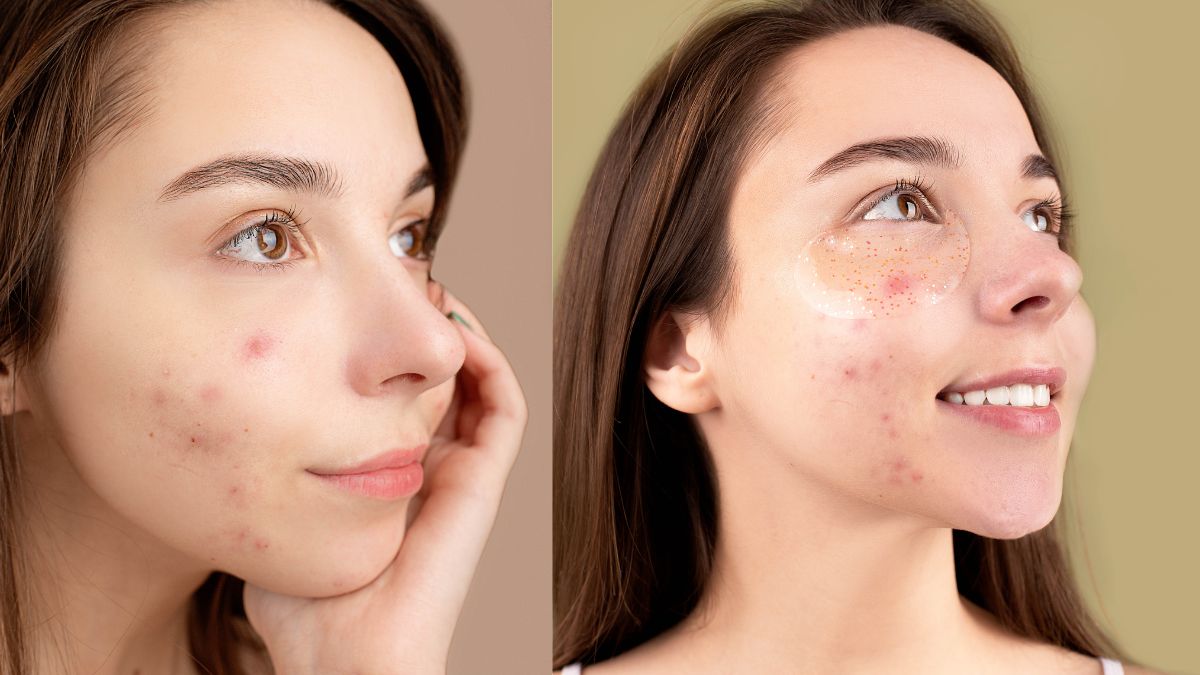
As with teenage acne, adult acne can negatively impact self-esteem, emotional well-being, and quality of life. Fortunately, understanding the causes and treatment options can help manage breakouts and improve skin health.
What is adult acne
Adult acne refers to acne that starts to develop or continues after the age of 25. It can last into adolescence or occur for the first time in adulthood.
Common forms of adult acne include:
- Whiteheads
- Blackheads
- Papules
- Pustules
- Nodules
- Cystic acne
Breakouts often appear on the:
- Face
- Jawline
- Chin
- Neck
- Chest
- Back
- Shoulders
Adult Acne is more common than many people realize.
Adult acne affects a large portion of the population.
Research suggests that:
- About 25% of adult men have acne.
- As many as 50% of adult women may develop acne at some point in their lives later in adulthood.
Because acne is often considered a teenage problem, many adults feel embarrassed to seek treatment. But adult acne is very common and not something to be ashamed of.
What causes Adult Acne
The exact cause of adult acne is not entirely known, but several factors may contribute to its development.
Common causes include:
- Hormonal fluctuations
- Excess oil (sebum) production
- Clogged pores
- Bacterial growth
- Inflammation
- Genetics
- Stress
- Certain medications
- Cosmetic products that clog pores
Hormonal changes related to menstruation, pregnancy, menopause, or polycystic ovary syndrome (PCOS) may cause acne in many women.
Adult Acne affects mental health
Acne is one of the most common reasons people visit dermatologists worldwide.
For adults, acne can have emotional effects beyond the skin, including:
- Reduced self-confidence
- Social anxiety
- Embarrassment
- Depression
- Avoidance of social situations
If acne significantly affects emotional well-being, seeking both medical and psychological support may be beneficial.
Don’t scrub or pick at pimples.
With acne, it is common to think that aggressive scrubbing will remove it faster.
In reality, excessive scrubbing can:
- Irritate the skin
- Increase inflammation
- Damage the skin barrier
- Spread bacteria
- Increase the risk of infection
- lead to permanent acne scars
Instead:
- Gently wash your face twice a day
- Use a mild, non-comedogenic cleanser
- Don’t squeeze or pick at blemishes
Gentle skincare helps support healing while minimizing irritation.
Natural Remedies That May Support Healthy Skin
Some people choose natural ingredients for skincare.
Common herbal remedies traditionally used for skin health include:
- Burdock root
- Dandelion root
- Turmeric
- Lavender
- Dock root
- Strawberry leaves
Some of these ingredients have anti-inflammatory or antioxidant properties. However, scientific evidence supporting their effectiveness for treating acne is limited compared to established medical treatments.
Always consult a healthcare professional before using herbal supplements, especially if you have underlying health conditions or take medications.
Evidence-Based Treatments for Adult Acne
Depending on the severity of acne, healthcare providers may recommend:
Mild Acne:
- Benzoyl peroxide
- Salicylic acid
- Adapalene
- Topical retinoids
Moderate to Severe Acne:
- Prescription topical medications
- Oral antibiotics
- Hormonal therapy (for appropriate patients)
- Isotretinoin (for severe cystic acne)
- A dermatologist can recommend the most appropriate treatment plan based on your skin type and acne severity.
How do I prevent adult acne
To reduce breakouts:
- Wash your face twice a day
- Remove makeup before sleeping
- Use non-comedogenic skincare products
- Avoid touching your face frequently
- Maintain a balanced diet
- Manage stress
- Stay hydrated
- Get adequate sleep
- Avoid picking at pimples
Consistency with skincare is often more effective than using multiple harsh products.
When should you see a dermatologist
Consult a dermatologist if:
- Acne is painful or cystic.
- Over-the-counter products are not working.
- Acne leaves scars. Breakouts are worsening.
- Acne is affecting your confidence or mental health.
Early treatment can reduce the risk of permanent scarring.
Adult acne is a common skin condition that affects millions of men and women worldwide. Although hormones often play a role, several other factors can contribute to breakouts. Fortunately, effective treatments—including gentle skincare, evidence-based medications, and healthy lifestyle habits—can help improve skin and prevent future acne.
If your acne persists or becomes severe, seeking professional advice from a dermatologist is the best step toward achieving healthier, clearer skin.