
Gender equality often starts at home. The way families share responsibilities, raise children, and use everyday language can either perpetuate or disrupt stereotypes. Small decisions made inside the household, which in turn can move us a great deal, can help create a more just society.
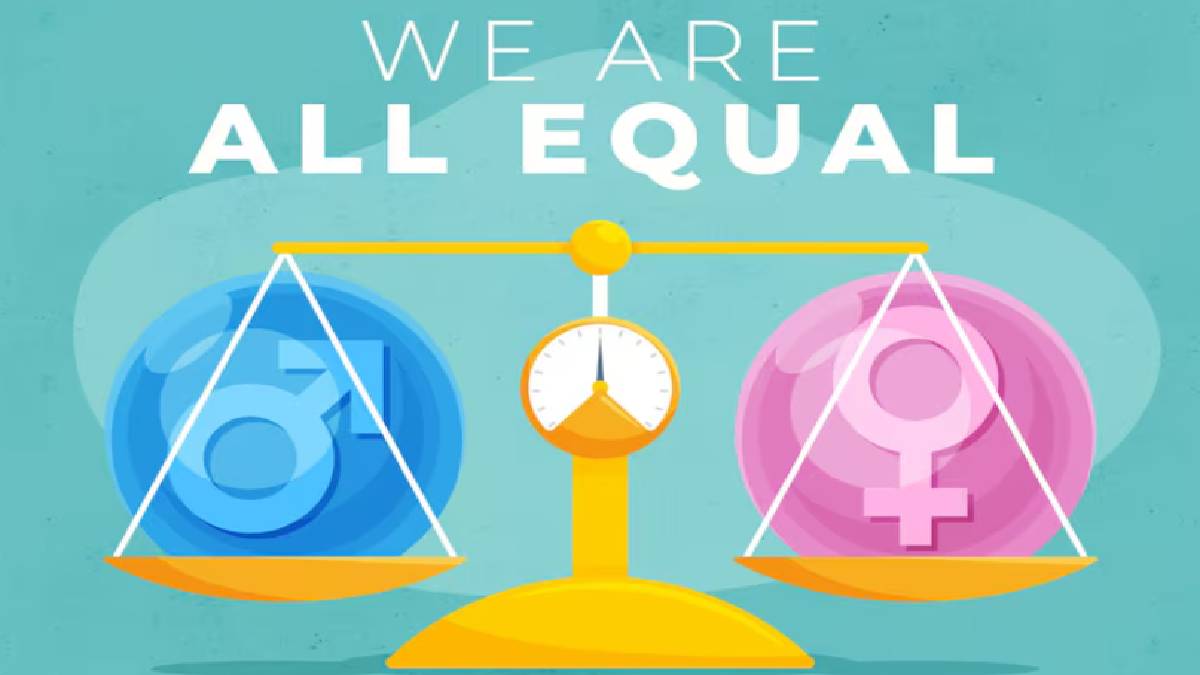
One of the more outwardly obvious manifestations of bias is the division of labor. In much of society, women are expected to cook, clean, and look after the children, while men handle finances or outside work. Sharing them out equally sends a powerful message to children that both genders can handle every task and that we share this burden with our children. Boys are made to see fathers preparing dinner while mothers juggle the bills, girls are shown mothers juggling money, and little by little the stereotype begins to crumble.
Parents also unwittingly perpetuate bias by choosing male or female roles or toys as gender‑biased roles. For example, giving dolls only to girls, and trucks only to boys. Allowing children to play where they like helps them to develop freely without restriction. A girl who enjoys sports or a boy who likes to create art should be supported equally. It gives them confidence and respect for uniqueness.


Education and work decisions serve as another place where bias may be found. Families sometimes bet larger on sons’ education or push daughters toward “safe” jobs. Equally supporting boys and girls in academics, sports, and future careers is fair. All children deserve equal encouragement to pursue dreams.
Words matter. “Boys don’t cry” or “girls are supposed to be quiet,” are just stereotypes that play into their harmful messages. Substituting positive affirmations for example, “everyone can show emotions” or “everyone’s voice counts” makes for a healthier atmosphere. Values children acquire not only through behavior, but the language of the world around them.
Teaching boys that empathy and tenderness is a positive, not a negative, trait is key. It helps so, too, to teach girls that their role of leaders and autonomy is natural. Being able to feel with your heart in a family builds unity and diminishes the oppressive pressure of gender norms.


Truly breaking gender bias at home doesn’t involve elaborate gestures; it starts with simple choices in everyday life. Sharing chores, supporting children equally and speaking in inclusive language can make a world of difference in family dynamics. When families and children become places that make space for equality, society naturally changes too. Every small step inside households helps to build a world in which boys and girls grow up in dignity, respect and equal opportunity.











Comments
Leave a Comment