
Plastic water bottles are used at home, in the office, school, gym and on travel. They’re convenient, lightweight and easy to carry around with you so it’s no wonder they’re popular for everyday hydration. But microplastics, chemical exposure and heat from plastic can all cause harm so the question is: Is it safe to drink water from a plastic bottle regularly?
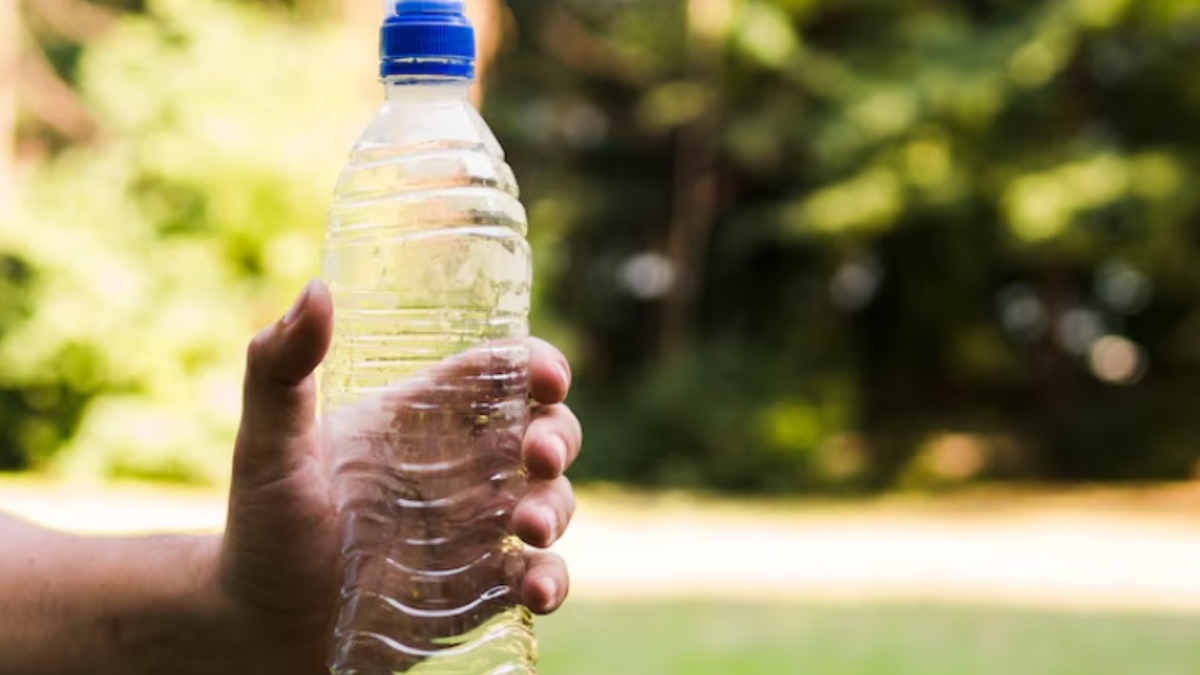
It depends on the type of plastic, how it was made, where it is stored and whether it is designed to be reused. Food-grade plastic bottles that meet safety standards can be used for drinking water but certain practices may increase contamination risk.
1. What Happens When You Drink Water From Plastic Bottles?
Most commercially available plastic water bottles are PET (polyethylene terephthalate). It’s lightweight material used for packaged drinking water.
Food-grade PET bottles are made to hold drinking water under normal storage conditions. Yet research has found tiny plastic particles (microplastics and nanoplastics) in bottled water.
Scientists are still trying to figure out how much exposure to these particles affects human health. We don’t know yet what their long-term effects on health will be.
2. Can Plastic Bottles Release Harmful Chemicals?
Some plastics contain chemical additives that may migrate into food or water under certain conditions.
One chemical that is often talked about is BPA (bisphenol A). It’s used in some plastics and resins but ordinary PET water bottles are not usually made with BPA.
Other chemicals may be present in different plastic products (composition and manufacturing process).
Bottles designed for drinking water and instructions from the manufacturer can help reduce unnecessary exposure.
3. Is it dangerous to leave plastic water bottles in the sun?
Plastic water bottles should not be left in a parked car, near a window or under direct sunlight for extended periods of time.
High temperatures can accelerate some chemical migration processes and may degrade the quality of the bottle and its contents. Heat exposure can also cause some plastics to deteriorate.
Keep drinking water in a cool, shaded place and do not leave bottles inside hot vehicles.
4. Can You Reuse Disposable Plastic Water Bottles?
Single-use plastic bottles are typically not designed to be refilled repeatedly but rather for one time use only.
When bottles are handled repeatedly, scratched and not cleaned properly bacteria can build up. Bottles that become damaged (cracked), cloudy or visibly worn should be thrown out.
If you carry water all day long (or even more than once a day), then use a reusable bottle designed for repeated use instead of disposable packaged-water bottles.
5. What Are the Best Alternatives to Plastic Water Bottles?
People who want to reduce their dependence on disposable plastic bottles may consider some alternatives.
- Stainless steel bottles: Durable, reusable and for everyday hydration.
- Glass bottles: Don’t introduce plastic particles from the bottle itself and are easy to clean (although they can break).
- Copper bottles: They are traditional and easy to use but require maintenance and should not be used for acidic drinks unless specifically designed for this purpose.
- Reusable food-grade plastic bottles: Lightweight and convenient if maintained as directed by manufacturer.
The right option is personal preference, budget and daily requirements.
6. Simple Tips for Safer Water Storage
A few everyday precautions can help make drinking water safer:
- Do not expose plastic water bottles to high heat or direct sunlight.
- Do not reuse damaged or disposable bottles repeatedly.
- Clean reusable bottles with soap and water regularly.
- Allow bottles to dry properly between uses.
- Never drink from bottles with unusual smells, visible contamination or damage.
- Follow the manufacturer’s storage and reuse instructions.
Final Thoughts
Water from food grade plastic bottles is generally safe to drink when used and stored properly. But repeatedly reusing disposable bottles, heating them up too much and not cleaning them properly are bad practices.
For everyday hydration reusable stainless steel or glass bottles are good options. But no matter what you use, clean drinking water and storage habits remain the priority.






Comments