Konark, Odisha: In a historic development, the garbhagriha (sanctum) of the iconic Konark Sun Temple is being reopened after 122 years. The Archaeological Survey of India (ASI) recently discovered a blocked passage within the temple and initiated efforts to clear the sand that had sealed the inner chamber for more than a century. This breakthrough has brought natural light back into the sanctum, rekindling hopes of uncovering hidden treasures of art and architecture.
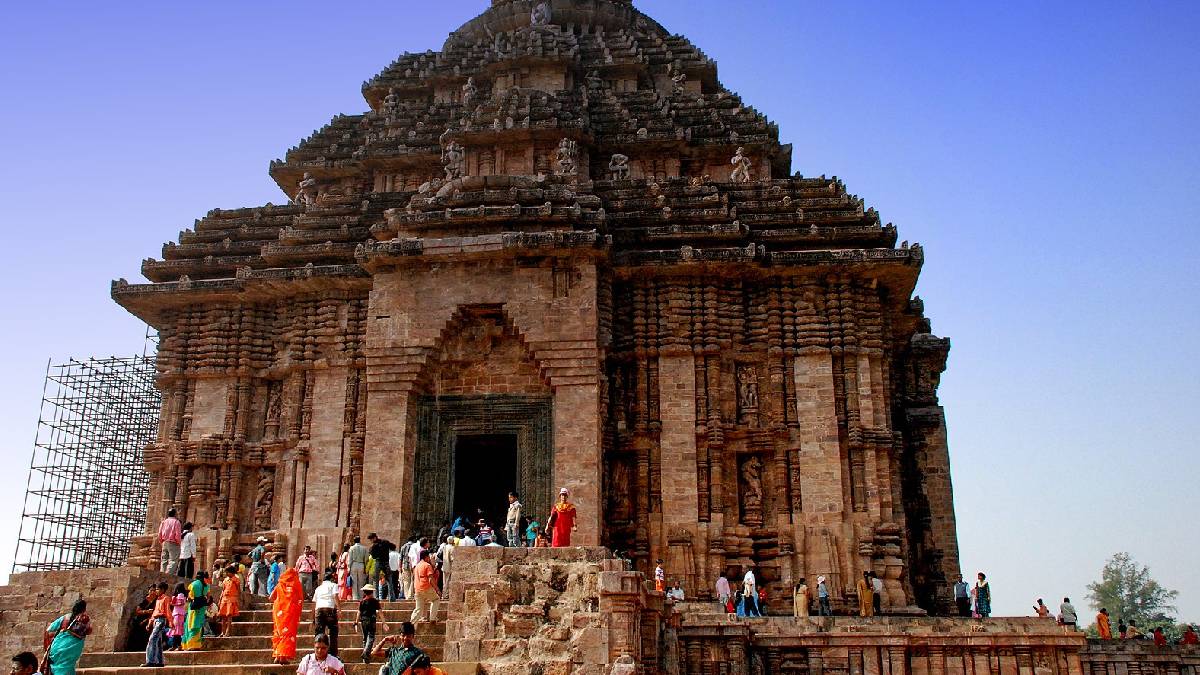
The Konark Sun Temple, a UNESCO World Heritage Site built in the 13th century by King Narasimhadeva I, is renowned for its chariot-shaped structure dedicated to the Sun God. Over the years, the sanctum had been filled with sand as part of preservation measures, leaving the innermost chamber inaccessible to devotees and researchers. The reopening marks a significant moment in India’s cultural heritage, offering a rare glimpse into the temple’s original design and spiritual core.
ASI officials revealed that the clearing process was carried out through a 4×4 ft tunnel, carefully designed to ensure structural safety while removing the sand. As light entered the sanctum once again, archaeologists and historians expressed optimism that ancient sculptures, carvings, and inscriptions may be rediscovered, shedding new light on the craftsmanship and rituals of medieval Odisha.
The reopening has generated excitement among devotees, scholars, and tourists alike. For many, this is not just an archaeological achievement but also a spiritual revival, as the sanctum is considered the heart of the temple. With the possibility of uncovering long-lost artworks and relics, the Konark Sun Temple is poised to enter a new chapter in its legacy, reaffirming its place as one of India’s greatest cultural landmarks.