
Mindfulness is becoming more and more important in children’s development as parents and educators seek healthy ways to support emotional well-being, concentration and mental growth.
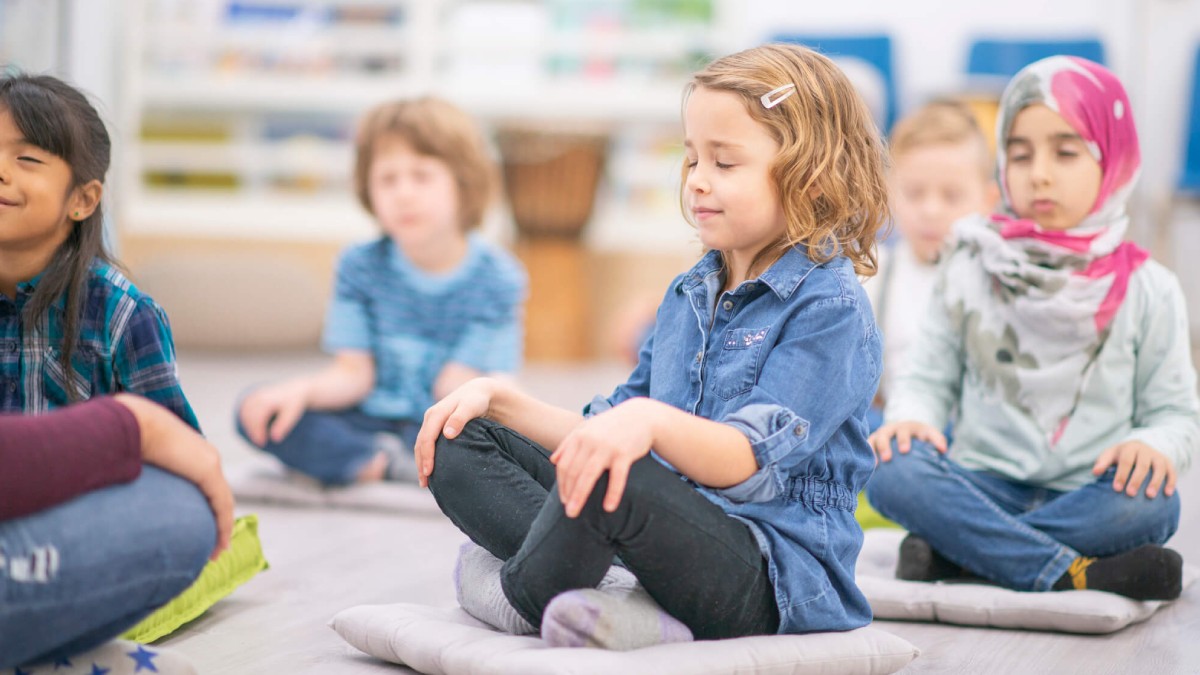
Children today live in a fast-paced world television, smartphones, online games, schoolwork and all kinds of other distractions keep them busy so it’s not always easy for them to concentrate on what they are doing or manage their emotions or relax.
Simple mindfulness activities can be added into daily routines so children understand what they are feeling; stay focused on the present moment; develop positive habits that support their growth overall. Mindfulness doesn’t mean sitting still for hours on end and practising meditation techniques or sitting quietly inside yourself (although some of these things may happen naturally). It means teaching children to pay attention to what’s happening around them and within themselves without reacting immediately or getting overwhelmed by it.
One of the easiest mindfulness activities for kids is deep breathing. You can introduce this through play-based exercises parents can say to their children “imagine you are smelling a beautiful flower and slowly blowing out a candle” (they can breathe in through their noses and gently breathe out through their mouths). Do it several times for a few minutes and they will learn to be more aware of their breathing and calm themselves when they get excited, frustrated or nervous.
Another fun activity is the five senses game where children identify things they can see, hear, smell, touch and taste (for example parents could say notice 5 things you can see; four things you can feel; three things you can hear; two things you can smell and one thing you can taste). This simple exercise encourages observation and brings them back into the present moment.
Mindful colouring and drawing are also great activities for young children. Instead of rushing to colour in a picture they can choose colours, make patterns and notice each movement of their hands. Colouring books, mandala designs or freehand drawing offer opportunities for creativity while promoting patience and concentration.
Mindful listening turns everyday sounds into fun learning experiences too: Parents can ring a small bell, play some gentle music or ask kids to listen carefully to birds, rain or other sounds around them (close their eyes and identify how long they can hear a sound). This activity improves listening skills as well as attention to surroundings.
Another exercise is the mindful walking activity. Parents can take children to a garden, park or other safe outdoor space and ask them to notice every step they take what their feet are doing (movement), what’s underneath their feet (feeling), movement of leaves (movement) sounds of nature (what?). Walking slowly noticing these little details helps develop awareness of our environment.
Gardening is another great way to introduce mindfulness. Letting kids plant seeds, water flowers, touch soil and watch plants grow teaches patience responsibility appreciation for nature.
Emotion identification games help children understand and express their feelings better. Parents can show pictures of different facial expressions to children and ask them to identify emotions (happiness, sadness, anger, excitement, fear). They can also ask children to describe how they feel in different situations (what makes you happy?
What do you do when you’re angry?). Asking questions like “What do you do when you’re angry?” will help them recognise their feelings instead of suppressing them. Making an emotion chart at home is another simple way to make this activity part of everyday life.
The mindfulness jar (also called a calming jar) is another fun activity. A clear jar filled with water and glitter can be used to show how thoughts and emotions can feel overwhelming when shaken the glitter moves around very quickly; children watch quietly as it slowly settles (gently take breaths).
Visual activity like this helps explain that we have to pause before responding if strong emotions are present and not respond immediately. Parents should use it as conversation starter rather than saying emotions must always disappear fast.
Gratitude activities can also help foster a positive outlook. Before bed parents can ask their kids to share three things they enjoyed about the day (playing with friends; eating their favourite food; spending time with family or learning something new).
Older children can keep a gratitude journal and write down positive experiences. This practice helps them notice enjoyable moments and appreciate the people and experiences around them.
Other activities are mindful eating children slowly eat a piece of fruit while noticing its taste, smell and texture; body scan exercises they focus on different parts of their bodies; simple yoga poses where movement goes with breathing; mindful storytelling children listen carefully and imagine what is being described. Parents can set up a quiet-time corner in the home with cushions, books and soft toys so children can spend a few peaceful minutes whenever they need to break from activity.
The most important thing when introducing mindfulness to children is consistency without pressure. Parents need to remember that every child has a different attention span, personality and learning style. Younger children may like activities lasting 2–5 minutes; older children may eventually feel comfortable with longer sessions. Mindfulness should not be another school assignment or compulsory task it should feel like fun! Parents and teachers can also join in these activities so children feel supported and motivated.
Regular mindfulness practice can help children become more emotionally aware, more focused, patient and self-regulating; encourage positive communication; creativity and healthier responses to everyday challenges.
Mindfulness is not a substitute for professional support when a child has persistent emotional or behavioural problems but teaching mindfulness through games, breathing exercises, nature activities and gratitude practices gives children tools for understanding themselves and the world around them small things that parents can make part of daily family life so they build healthy habits that may last into childhood and beyond.






Comments