
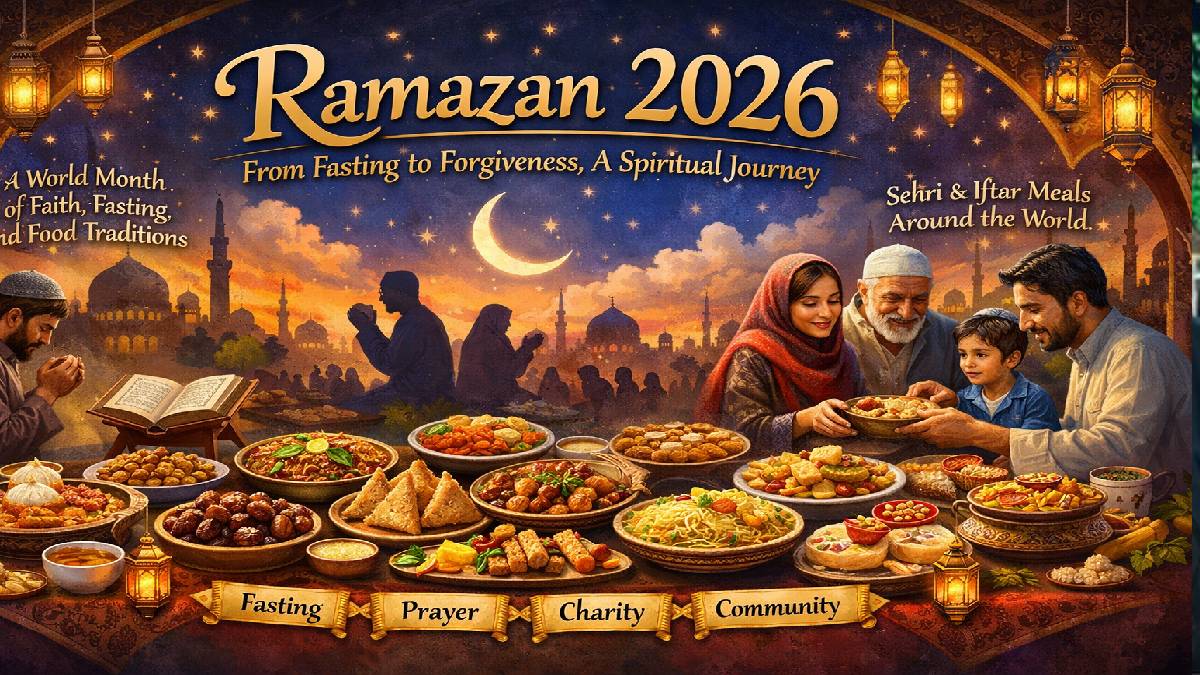
Ramazan 2026 — A World Month of Faith, Fasting, and Food Traditions. Ramadan, or Ramazan, is one of the most important months of Islam and observed by over one billion Muslims around the world. Ramazan is said to start in mid-February and end in mid-March — depending on a crescent moon’s sighting. Because the Islamic calendar follows the lunar cycle, the dates will be different depending on the nations.
Fasting and Spiritual Practices
In the first days of Ramadan, Muslims fast from dawn to sunset and abstain exclusively from food, beverages and other physical needs; this practice — called Sawm — fosters self-discipline, patience, empathy and a heightened sense of spirituality. Those of us sick, elderly, traveling, pregnant or unable to fast are exempt. Besides fasting, Ramazan is a period of spiritual contemplation and the forging of a community.
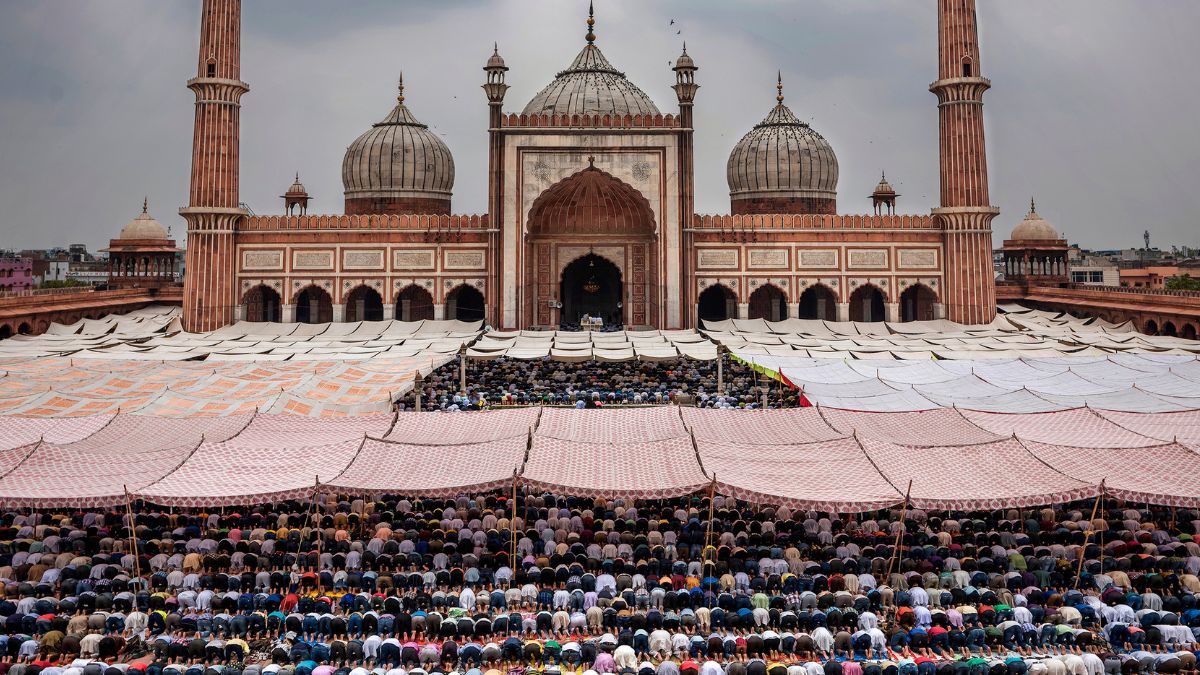
During this holy time, Muslims will place a greater emphasis on their prayers (especially nightly Taraweeh) and read their own more carefully prepared Qur’anic verse in preparation; thus, the Quran is said to be revealed at the heart of Ramazan. Charity, compassion, and lending a hand to the needy are core values in Ramazan.
Food Traditions During Ramazan
Food and Ramazan go hand in hand — feeding other people and strengthening community connections. There are two main meals:
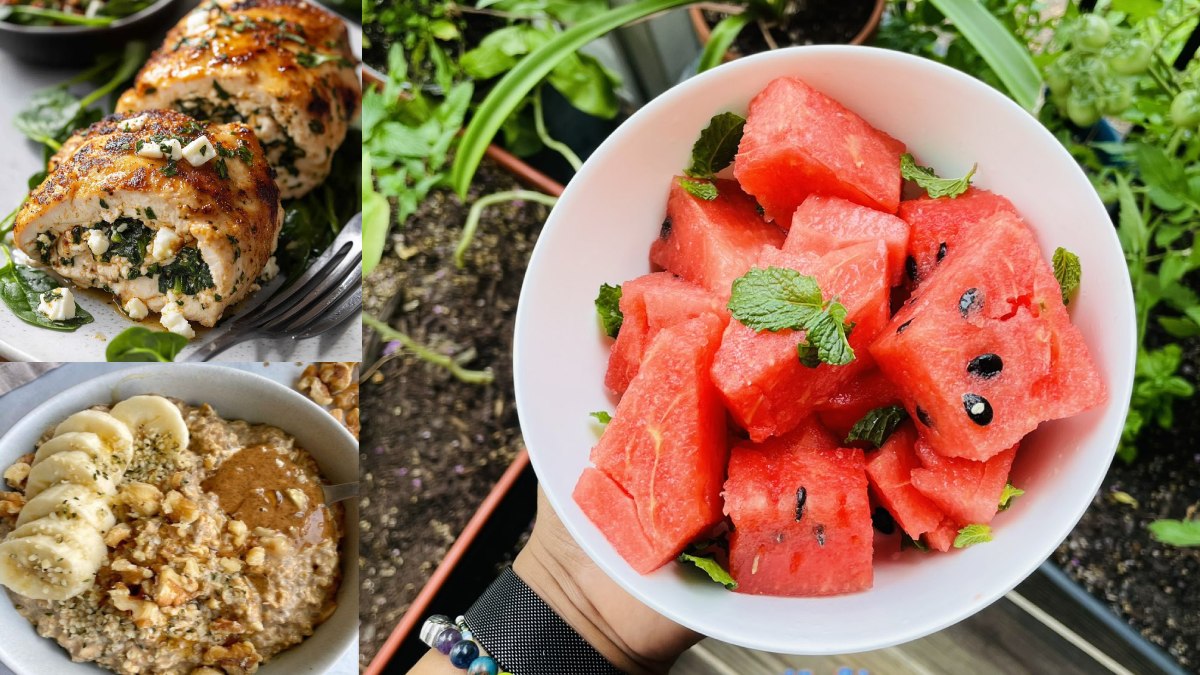
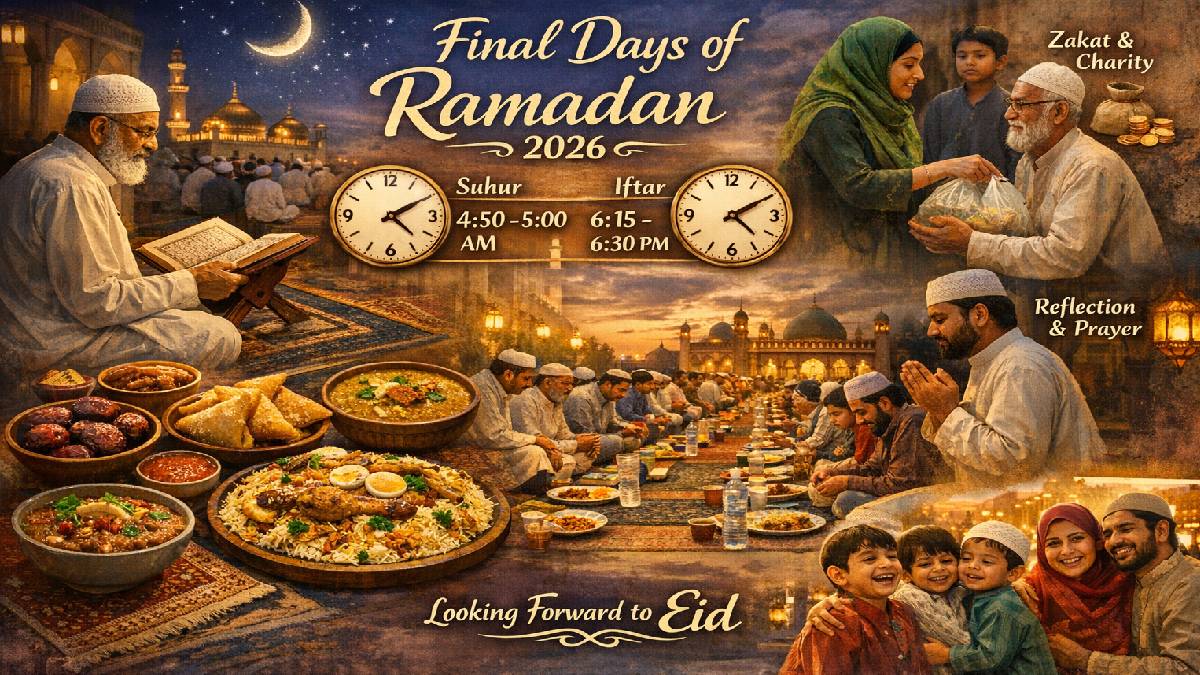
- Sehri (Suhoor): the meal eaten before fasting begins. Its meals normally consist of good food like grains and fruits and eggs as well as dairy products. On top of this food you get plenty of water to keep you from falling off a cliff.
- Iftar: the meal of eating in order to end the fast at sunset. The fast is traditionally broken with dates and water, and then a larger meal. Ramazan foods differ from one culture to another, but the message is the same everywhere: gratitude, moderation and sharing. For the poor and marginalized, many communities have provided free Iftar meals so they can break the fast with dignity.
Popular Ramazan Foods by Country
Despite cultural differences in cuisine, Ramazan around the world echoes local customs and, when consumed, shares that universal trait:
- Middle Eastern regions: Dates, lentil soup, hummus, falafel, grilled meats, flatbreads, and sweet treats such as baklava and kunafa.
- India & Pakistan: Samosas, pakoras, biryani, haleem, fruit chaat, and sweet drinks like rooh afza.
- Bangladesh: Beguni (fried eggplant), chickpea curry, puffed rice blends and traditional sweets.
- Turkey: Pide bread, soups, stuffed vegetables, kebabs, güllaç.
- Egypt: Fattah, ful medames, sambousek, and sweet items such as qatayef.
- Indonesia & Malaysia: Rice dishes, coconut-based curries, sweet porridge, traditional cakes in their Ramazan bazaars.
- African countries: Hearty stews, porridge, grilled meats and fried snacks with communal sharing.
Desserts are more popular for many Ramazan and frequently include dates, milk, nuts and honey, expressing sweetness and blessing.
Ramazan 2026 will bring together Muslims from around the world once more, offering believers on the other side of the planet a shared religious, spiritual and temporal feeling for their faith, reflection on and understanding towards each other. While the month is centered around fasting and prayer, food brings warmth and unity between people, cultures around the world based on principles of generosity, gratitude and understanding — sharing common life together.







Comments
Leave a Comment