Tracing back to ancient India, the tilak is a very sacred sign, which was passed down from generation after generation to the individual. Worn on the forehead in the space between the eyebrows, referred to as the ajna chakra, the tilak symbolizes divine awakening, enlightenment, and the realization of inner awareness.
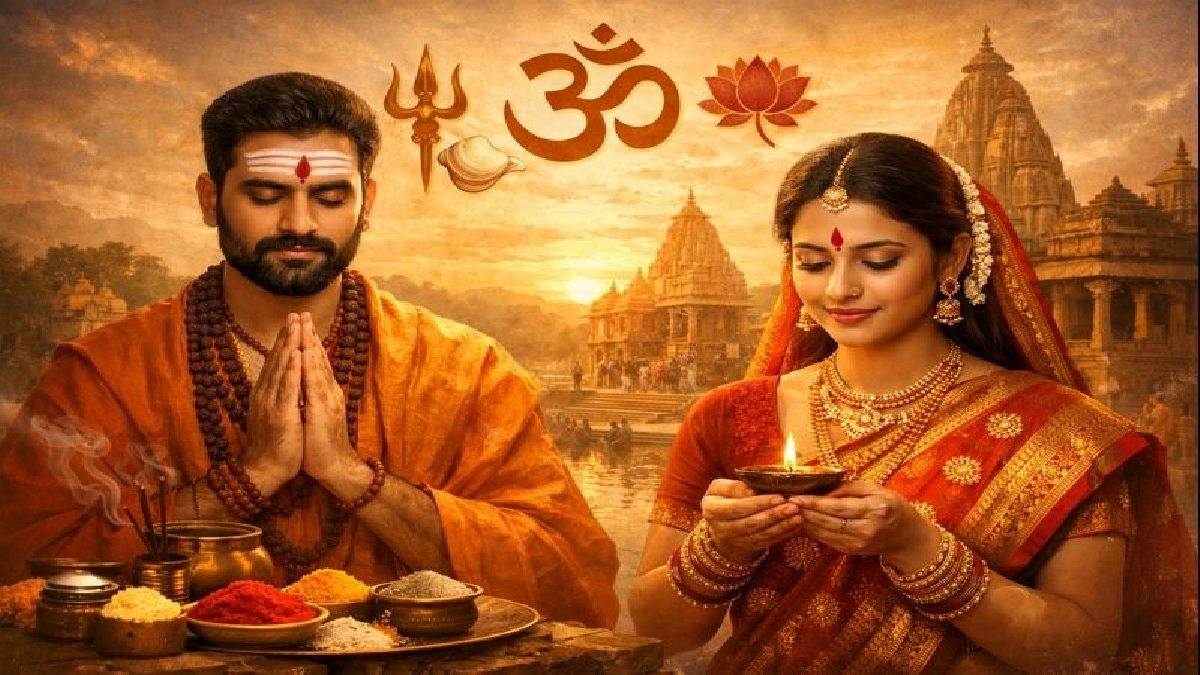
This sacred mark is not ornamental in Sanatana Dharma but rather part of a powerful spiritual practice that links one to the divine. The tilak has been part of the daily lifestyle, everyday worship and temple rituals of the ancient world till date, festivals, weddings, pilgrimages and many other auspicious ceremonies. It's sacred; giving or receiving tilaks is blessings, respect and reverence. It is the purity of thought, a sign of humility and devotion to the path of dharma.
There are more philosophical meanings in various forms of tilak. Vibhuti, the holy ash, represents separation from material elements and in devotion to Lord Shiva it symbolizes devotional devotion which shows one the transience of life. Chandan (sandalwood paste) signifies serenity, purity, and devotion to Lord Vishnu. Kumkum and turmeric, connected to Shakti, represent auspiciousness, prosperity, and divine feminine energy. The body is purified by these sacred substances and is elevated with such force that the human body becomes a container for spiritual energy.
One of the best things is the spiritual awakening it provides and helps you to concentrate. Utilised in the center of intuition, the tilak is thought to heighten focus, control the senses and open the mind to higher level of conscious thought. It can remind you daily to live a righteous life, with truth and self-control.
Traditionally, the tilak is thought to attract and maintain cosmic good energy, with potential to provide spiritual protection and balance. One special gift received from elders, priests, or gurus is a tilak, which is seen as giving us divine grace, peace, and well-being.

The tilak is also symbolic of cultural identity and continuity, which goes beyond its spiritual significance. It bridges generations, preserves the wisdom of ancestors, and mirrors the rich range of Indian philosophy and devotion. Even in the modern age wearing tilak reaffirms reverence for tradition and the sense of ownership over Indian sacred heritage.
As a consequence, the tilak embodies the timeless essence of India, and in so doing reminds people of the divine essence residing inside of them, and directs the individual toward living in harmony with the Divine, with love and with consciousness, a direction directed towards inner enlightenment.
The tilak is the living seal of Sanatana Dharma, where jiva meets Isvara. It whispers the eternal truth—the Divine is not elsewhere, but awakened within.