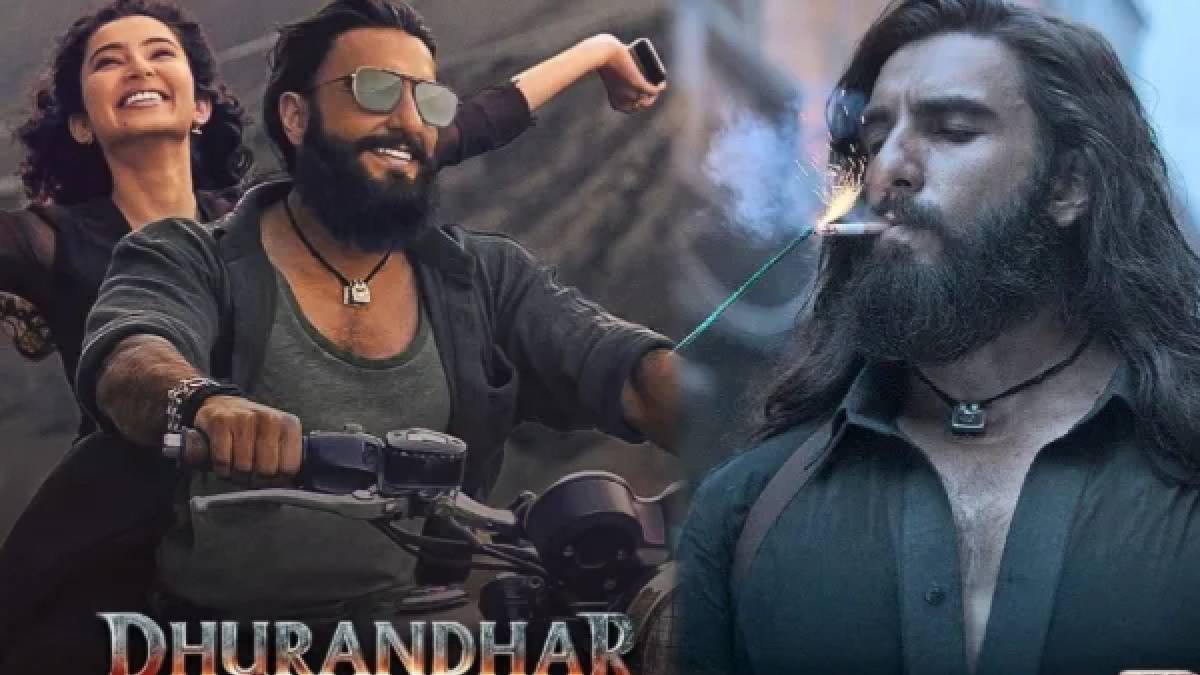
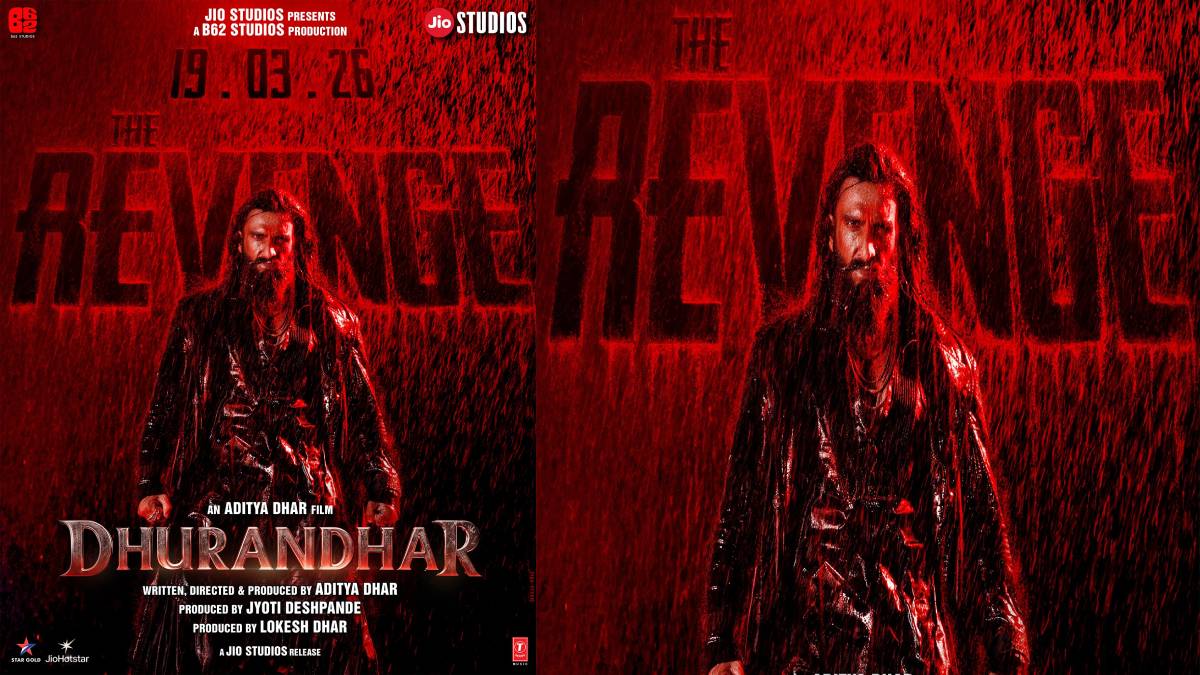
Bollywood’s blockbuster Dhurandhar, directed by Aditya Dhar and starring Ranveer Singh, has stormed the box office with over ₹516 crore in India and nearly ₹785 crore worldwide. But while audiences celebrate its success, commentator Dhruv Rathee has delivered a scathing attack, branding the film “dangerous propaganda.” His words have ignited a fierce national debate.
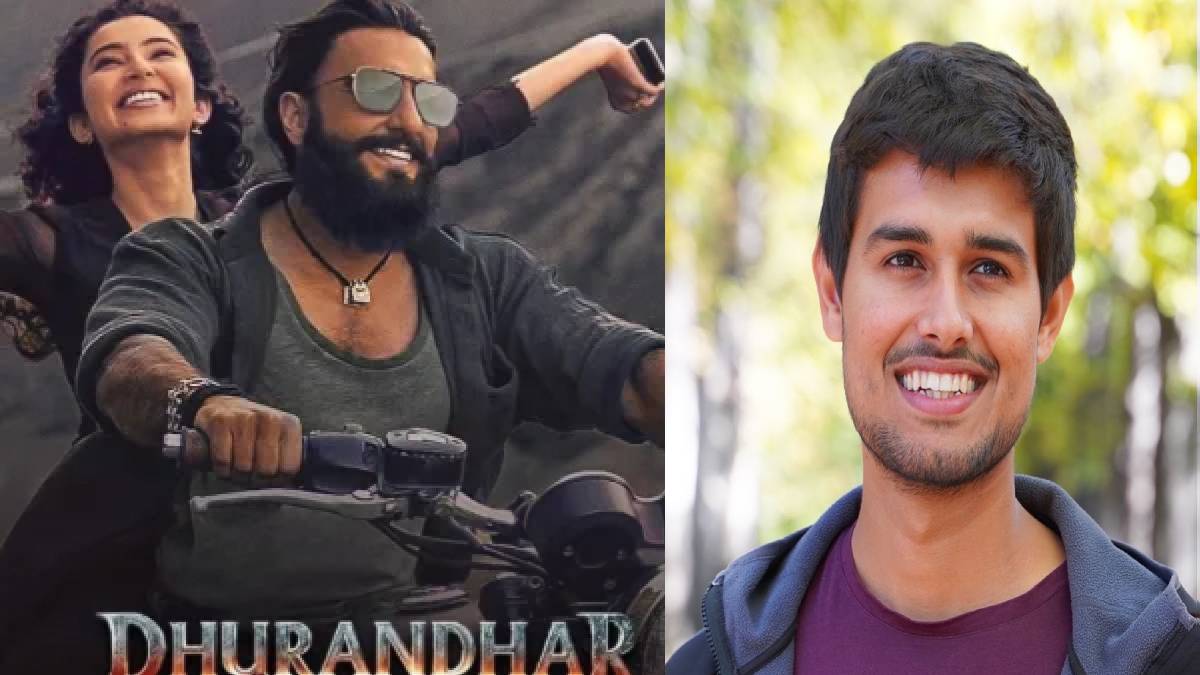
Rathee’s Explosive Critique
Rathee argues that Dhurandhar is not patriotic storytelling but political manipulation. He says the film deliberately paints past governments as complicit in terror attacks, suggesting they ignored threats for votes. In his view, this is a calculated distortion of history, designed to sway public opinion rather than honor the truth.
He further condemns the film for glorifying gangsters and villains while failing to highlight real heroes. Rathee stresses the glaring omission of Tukaram Omble, the police officer who sacrificed his life during the 26/11 Mumbai attacks. For him, leaving out such bravery while dramatizing criminals is proof that the film prioritizes spectacle over sincerity.
Rathee’s words are sharp: “This is not patriotism, it is manipulation.” His warning is clear: cinema should not be used as a political weapon.
A Nation Divided
His critique has split audiences. Supporters praise Rathee for exposing propaganda, accusing the film of rewriting history for votes. Critics dismiss him as biased, claiming he undermines patriotic cinema. The clash shows how deeply films can influence politics and public opinion in India.
Box Office Triumph
Despite Rathee’s attack, Dhurandhar remains unstoppable at the box office. Its December release sparked frenzy, proving that nationalist thrillers draw massive crowds even when accused of distortion. The film’s success highlights the power of cinema to stir emotions and shape narratives.
Dhurandhar is more than entertainment, it is a battleground of ideas. Dhruv Rathee’s words have forced viewers to ask whether they are watching a patriotic tribute or a political tool. His critique cuts through the glamour, reminding audiences that films can manipulate as much as they inspire. In India, cinema is never just storytelling, it is a weapon that can shape minds, rewrite history, and spark national debate.