Now, the tussle over musical ownership in India is going from bad to worse. On 13th February, 2026 the Delhi High Court entered an ex-parte ad-interim injunction against the "Maestro", Ilaiyaraaja, restraining him from the commercial exploitation or licensing of a huge catalogue of songs from 134 films.
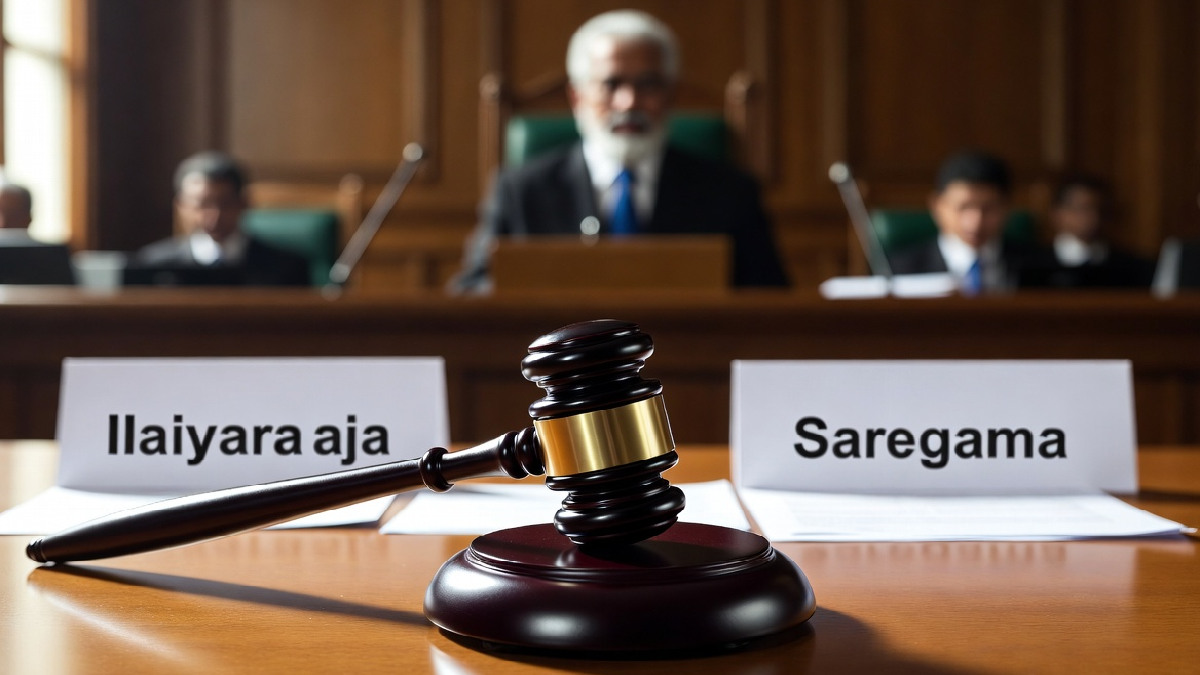
The Core of the Dispute
The lawsuit was brought by Saregama India Limited, which alleges exclusive, worldwide and perpetual rights to the recordings. The label argued that:
- Saregama (previously The Gramophone Company of India) signed contracts with a number of film producers that lasted between 1976 and 2001.
- Ownership Claims: Pursuant to the Copyright Act, 1957, the first owner of works commissioned to support a film is usually a film producer. Saregama claims that these rights were assigned to them by the producers.
- Digital Infringement: Ilaiyaraaja allegedly uploaded and gave sanction to these tracks on streaming giants like Amazon Music, iTunes, and JioSaavn, while asserting himself as the rightful owner.
The Court Ruling
Saregama had a prima facie case, Justice Tushar Rao Gedela observed. Allowing the composer to continue licensing these works will have “irreparable loss and injury” to the music label that could be hard to pay in money, the court noted. “The defendant (Ilaiyaraaja)… his partners and agents cannot exploit, use or give license to the Plaintiff with this Copyrighted Works or make any title claim to them by third party,” the court order said.
A Background of Legal Fighting
This is not the first time Ilaiyaraaja has taken on music labels. He has long argued that as a creator, the moral and intellectual rights are still his. But Indian courts have often ruled in favor of the labels, on the basis of the “work-for-hire” doctrine in legacy contracts. The injunction protects timeless works in several languages, possibly to reach some of the most well-known melodies seen in Indian movies.
What Happens Next?
The Court has called a summons on Ilaiyaraaja with a requirement that the appellant produce a written statement within 30 days. It is set for a hearing on April 2, 2026. At least until then, however, the “Isaignani” is barred by law from claiming the title or receiving financial profit from the very specific 134-film catalog that the suit is about.