There is a kind of Lee Cronin-directed version of The Mummy that feels like a real horror triumph. You feel it in the stifling atmosphere, in the creeping chill that sinks beneath the skin, in the unapologetic embrace of body horror that mirrors the grotesque energy of Braindead and The Evil Dead. Complementary to this is Stephen McKeon’s score an unceasing sonic presence that’s never overpowering, which instead slowly chips away at your comfort.
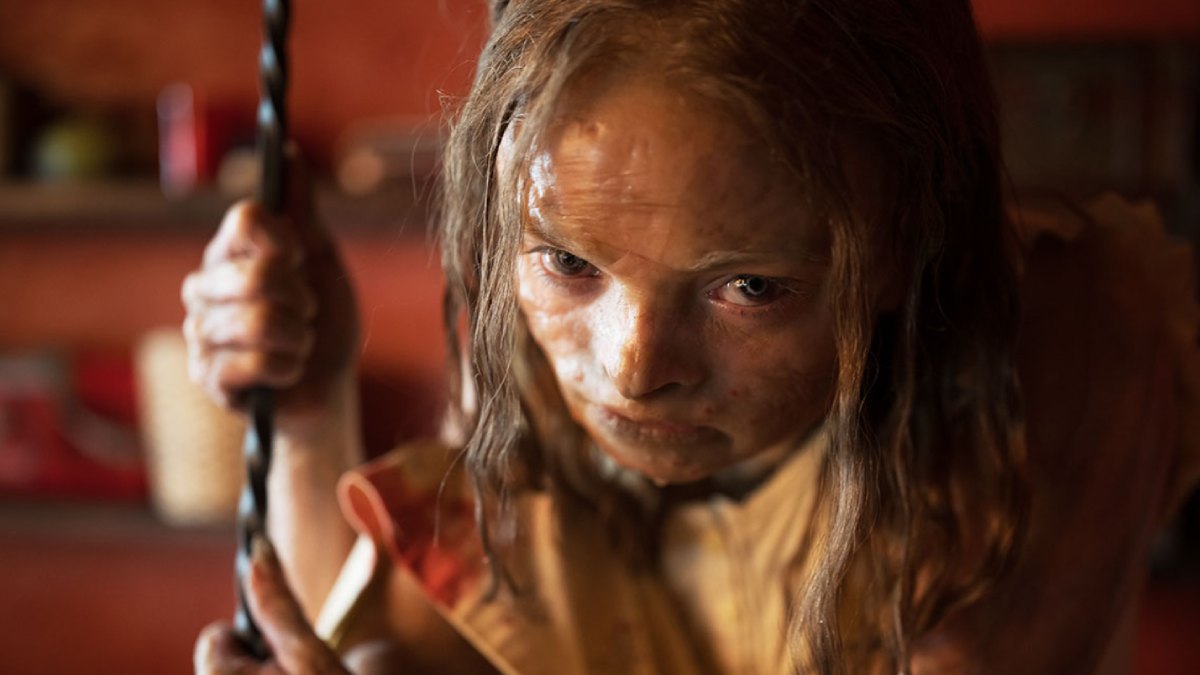
Cronin’s method of horror is at once refreshingly hostile. The likes of polished genre staples The Conjuring or Insidious require deliberate jump scares and rhythmic tension; the film, on the other hand, takes a far more punishing approach. It grinds rather than shocks, disturbing viewers with pileup, not jolt. It’s a daring rejection of mainstream horror grammar, and for long stretches, it’s effective. The film is visually indebted to a vast cinematic lineage.
Its framing and design in its haunting desert imagery and claustrophobic interiors particularly are familiar echoes of old Hollywood spectacle. And when Cronin drops practical horror, the results are electrifying. One standout funeral sequence seizes its deranged combination of grotesque humor and visceral horror, not only from the splatter sensibilities of the titular Peter Jackson but also from the outrageous physicality of Death Becomes Her.
The movie largely succeeds performancewise. Laia Costa plays maternal desperation with great feeling; Veronica Falcón presents a compelling balance, alternating from powerful to fearful with laser focus. Natalie Grace plays the prosthetic man with a raw physicality that cuts through dialogue as well. Even Emily Mitchell plays for a limited time on camera. Jack Reynor alone has a hard time grounding the emotional heft of the narrative down solidly, so that key scenes feel a little lost in the shuffle here and there. Where the movie suffers the most is in how it has written. Cronin is obviously seeking thematic depth grief, attachment to a parent, getting to grips with the horror of letting go but it doesn't seem to have much in the way of coherence as execution.
The mythology is undercooked, exposition often is clunky, and narrative logic begins to crumble under stress. And worse still, an over reliance on CGI is not exactly helpful for the tactile realism of the body horror beats of the bulk of horror, which is why body horror works. The last section is the point where the film goes nowhere. A quiet, emotionally resonant moment arguably the film’s organic close leads to an unwarranted extension that feels overextended and indecisive.

It’s a textbook instance of a filmmaker rejecting a strong impulse and choosing excess over moderation when restraint would have given weight to the material. There could be no denying these comparisons to The Mummy with Brendan Fraser and Rachel Weisz, but perhaps unfairly.
That version flourished on charm and adventure, while Cronin’s version is rich in despair and dread. Yet the earlier film’s warmth and accessibility emphasize what this version lacks an equilibrium. Ultimately, The Mummy remains a film of actual ambition and of passing brilliance. It is thrilling, it is perplexing, and it is infuriating of its own make. If it had a tighter script and greater conviction in its quieter moments, it might have been terrific. Instead it stays a strong but flawed reinvention one that showcases Cronin’s talent, but also the limits of his execution.