
Delhi-NCR is facing a severe air quality deterioration ahead of Diwali, with pollution levels rising rapidly across the national capital and neighbouring cities. AQI has crossed 349 around ITO and Akshardham (Very Poor) and public health concerns have been raised.
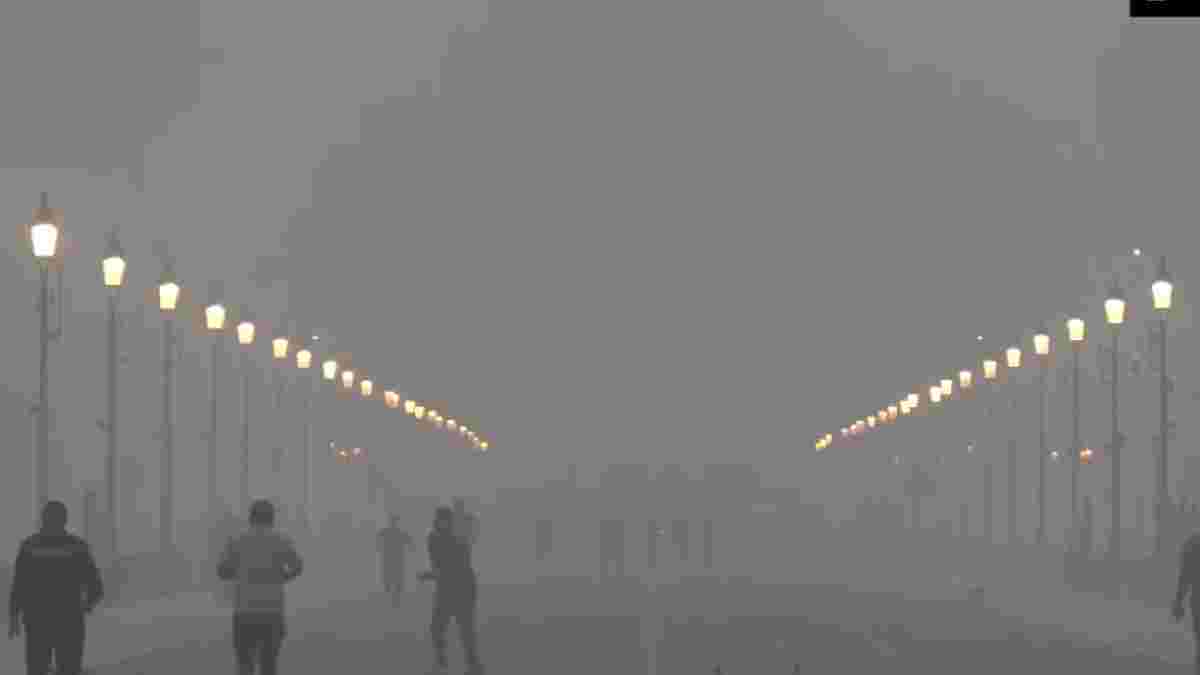
The AQI near Akshardham Temple was 349 on Monday morning (CPCB) and the sudden rise indicates how pollution is worsening even though rain had temporarily improved air quality in the region.
Delhi’s average AQI also shot up in 24 hours. On Saturday, the city’s average AQI was 117 (Moderate), but on Sunday it rose to 261 — a jump of 144 points, reports Amarujala.com.
It got worse on Sunday evening. After 6 pm, Delhi’s average AQI rose to 272 and went into the ‘Poor’ category. Parts of the capital are now in unhealthy air conditions, and pollution levels are rising at multiple monitoring locations.
43 Monitoring Stations Record Poor to Very Poor Air Quality
Pollution has reached large parts of Delhi according to CPCB monitoring stations. Of the city’s 59 air quality monitoring stations, 43 recorded AQI levels in the ‘Poor’ to ‘Very Poor’ category.
Among them, 23 monitoring stations had AQI readings above 300 (very poor air quality), another 20 locations were in the ‘Poor’ category of pollution, and only 14 monitoring stations continued to report moderate air quality.
The ITO and the area around Akshardham Temple were among areas where AQI levels touched 349.
The deterioration has also caused alarm in the wider Delhi-NCR area (Noida, Gurugram and Ghaziabad), where weather conditions and local emissions are adding to the pollution problem.
Stubble Burning Adds to Delhi's Pollution Concerns
Stubble burning in neighbouring agricultural states is also emerging as another cause of deteriorating air quality. Researchers at IIT Bombay estimate that crop residue burning contributes about 18% to Delhi’s pollution under certain conditions.
Winds blowing from the northwest on Sunday reportedly pushed pollutants from Punjab and Haryana towards the national capital. The movement of polluted air has increased the pollution burden.
But stubble burning is not the only cause of Delhi’s deteriorating air quality. Vehicle emissions, construction activities, road dust, and other local pollution sources are also involved in the problem.
#WATCH | Delhi: The Air Quality Index (AQI) in the area around India Gate and Janpath is at 335, categorised as 'Very Poor', as per the CPCB (Central Pollution Control Board). (Visuals shot at 06:39 am) https://t.co/IKyYMg0TBk
— ANI (@ANI) November 2, 2026
Weather Conditions Could Influence Pollution Levels
Wind speed and direction are also important factors as they determine how quickly pollutants disperse. If wind speeds stay low, pollutants will accumulate near the ground, and AQI readings will be higher.
Local emissions plus pollution carried from neighbouring states make it more difficult for Delhi residents to breathe.
With Diwali around the corner, air quality will only get worse. Firecracker emissions (along with existing pollution sources) and unfavourable weather could put additional pressure on air quality in the region.
Residents (children, elderly people and people with respiratory sensitivities) should be extra cautious during periods of high pollution. Daily AQI updates should be monitored, and prolonged outdoor activity should be limited when pollution levels are very high.







Comments