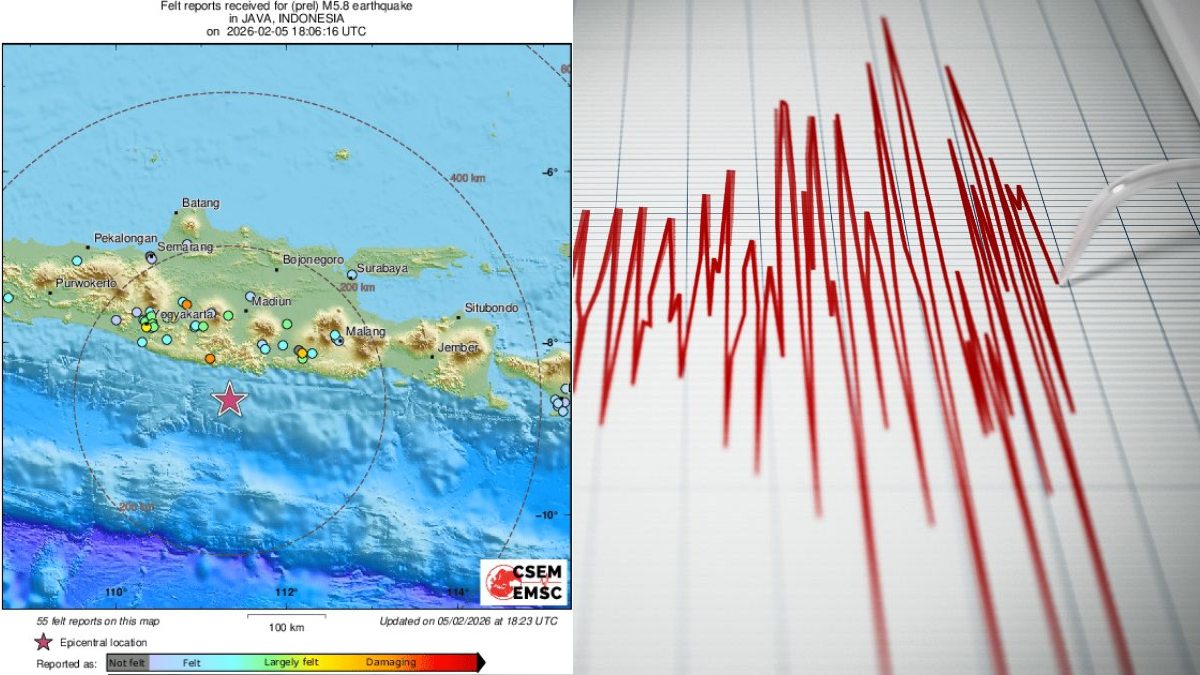
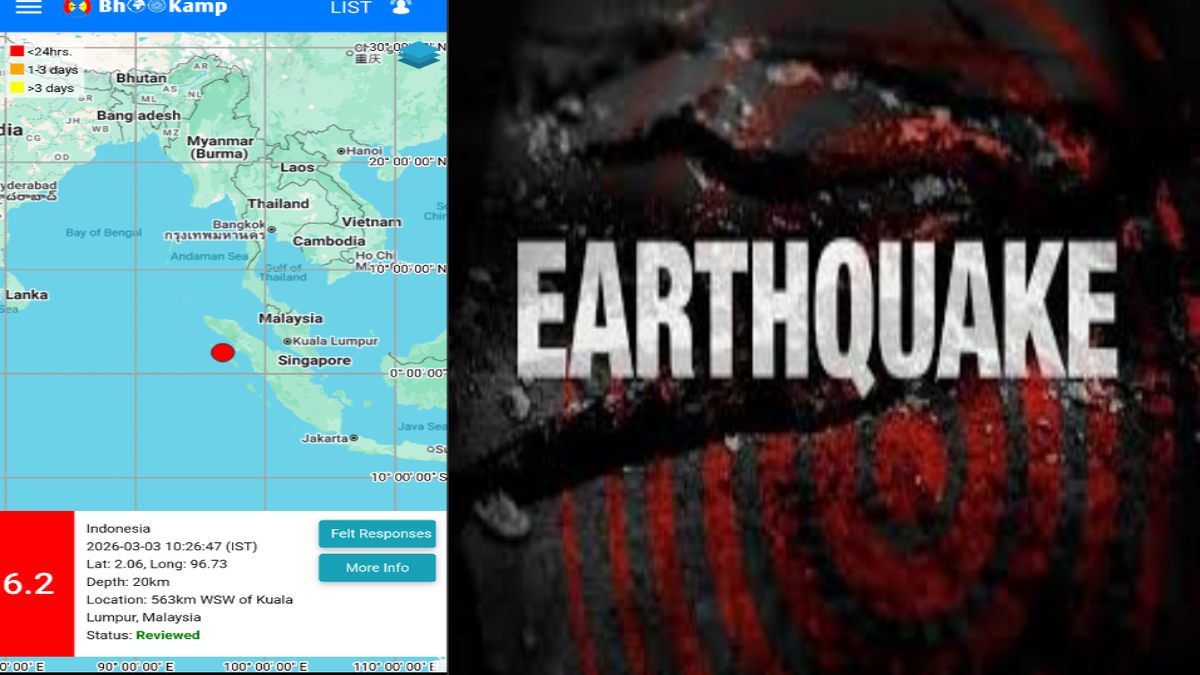
A strong earthquake measuring 6.7 on the Richter scale struck Indonesia today, sending strong tremors through many parts of the country and causing concern among those living in earthquake-prone areas. The powerful earthquake was particularly strong in areas near Palu, a city on the Indonesian island of Sulawesi that has been hit hard by earthquakes in the past. There were no immediate assessments of the situation as big aftershocks rumbled throughout the region after the big earthquake struck.
The earthquake was shallow enough to feel across a wide area. Residents reported sudden and intense ground movement and fled from their homes, offices and public facilities in fear. People said furniture shaking, walls vibrating, and people gathered in open spaces in case any damage to structures was imminent.
Palu residents reported enormous tremors. The city is especially vulnerable to earthquakes and tsunamis after the 2018 earthquake and tsunami. As news of the latest earthquake came out in the neighbourhood, residents were kept outdoors until authorities said that there was no immediate danger of major seismic activity.
Several aftershocks were reported in and around the area affected by the main earthquake. Most aftershocks were weaker than the initial earthquake, but were strong enough to have an impact on the people living there. Seismologists say that aftershocks are part of the earthquake process as the Earth's crust adjusts due to the accumulation of tectonic stress. The government asked residents to be watchful and be prepared for more in the hours and days ahead.
Emergency management agencies quickly activated monitoring systems to assess whether any damage to infrastructure, transportation systems, and residential buildings could be caused. Emergency teams were checking roads, bridges, hospitals, schools, and government facilities to ensure public safety, emergency management said at first. People are also advised to stay away from damaged structures until safety checks are done.
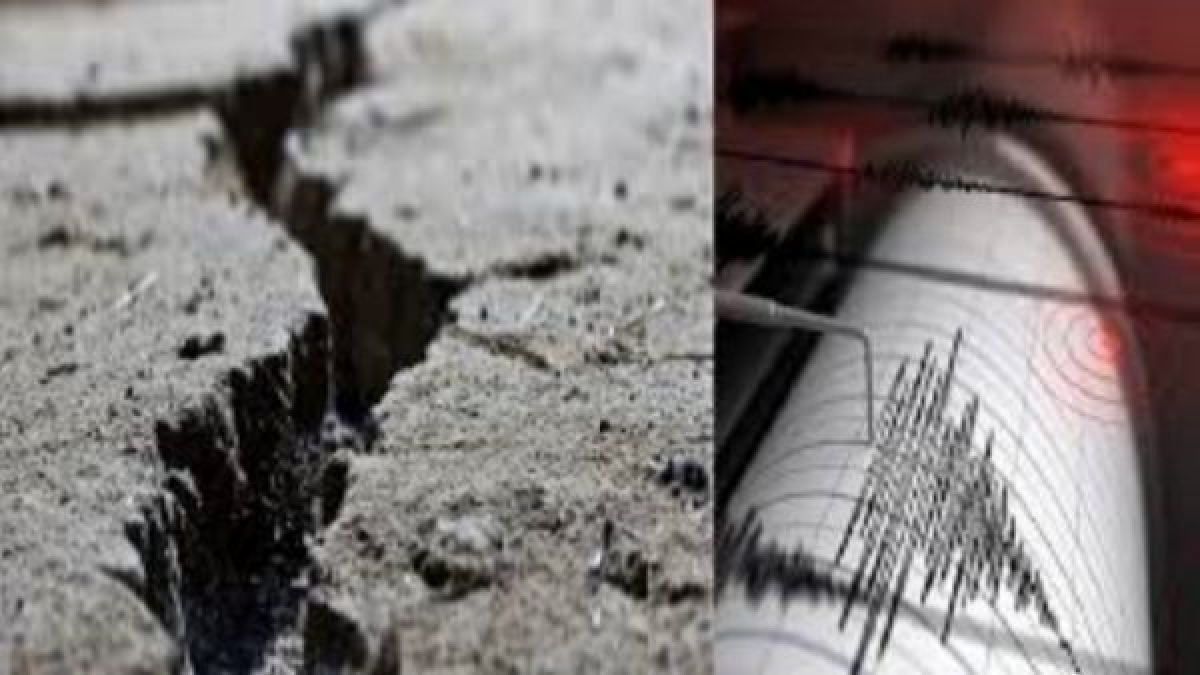
Indonesia is one of the most earthquake-prone countries in the world because it is located along the Pacific Ring of Fire, a region with several major tectonic plates. These plates frequently shift through the space, often causing earthquakes, volcanic eruptions, and other geological phenomena. Indonesians are used to regular earthquakes, and so powerful seismic events still pose a great threat to life and property.
Disaster response officials stressed staying alert and following local authorities’ advice and safety recommendations. Residents should prepare emergency kits and stay informed through official channels, and not send unverified information on social media. This is especially so in cases of major earthquakes, as misinformation can cause unnecessary panic in affected areas.
Experts say a strong earthquake does not necessarily mean a bigger earthquake is coming. But monitoring is continuous because seismic conditions can change very quickly, they say. Indonesia's meteorological and geophysical agencies are still studying the data of the earthquake and the aftershocks to understand and make accurate reports to the public.
Sulawesi communities continue to be watchful as the impact of the earthquake is still being assessed, and at the same time, the government is trying to detect the full impact of the earthquake on the disaster impact and to make sure emergency services are ready to respond if needed. The latest earthquake is just one more example of the dangers of natural disasters in an area of extreme vulnerability to natural disasters and the need for preparedness in one of the world’s most active earthquake-prone countries.