Billionaire entrepreneur Elon Musk has delivered a provocative forecast on the future of work, suggesting that rapid advancements in Artificial Intelligence (AI) and robotics will make human employment largely optional within the next 10 to 20 years. Speaking on a recent podcast, the CEO of Tesla and founder of xAI painted a picture of a post-scarcity world where material needs are met by machines, fundamentally redefining the human relationship with labor and even money itself.

The Post-Labor Vision: Optional Work
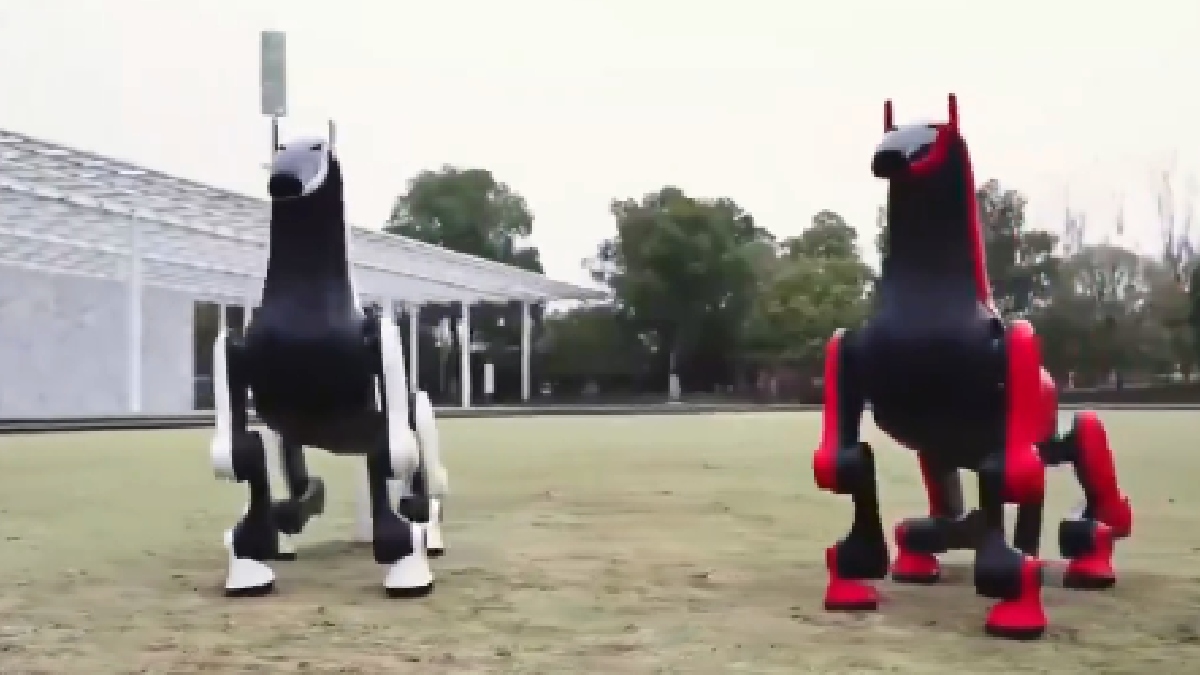
Musk's prediction is an optimistic take on automation, contrasting sharply with traditional fears of mass unemployment. He suggests that AI and robotics will advance so quickly that they will be capable of producing all the goods and services humanity requires with minimal or no human intervention.
- A "Supersonic Tsunami": Musk described the advance of AI and robotics as a "supersonic tsunami", accelerating the transition toward a post-work society.
- Work as a Hobby: In this future, the necessity of working for survival will be eliminated. He compared future employment to the choice of growing one's own vegetables versus buying them at a store—a hobby or personal preference, not a financial requirement.
- Near Full Abundance: Musk believes AI will usher in a state of "near full abundance," where money may lose its relevance as physical goods and services become easily accessible to everyone.
The Timeline: 10 to 20 Years
Musk set a bold timeline for this societal shift, predicting that the point where work becomes optional could arrive in "less than 20 years, but maybe even as little as 10 or 15 years." This rapid transformation is driven by the exponential growth in AI's capabilities, which are already permeating industries from finance and logistics to software and customer service.
The Automation Reality Today
While Musk’s vision is long-term, contemporary data already shows significant disruption:
- Entry-Level Impact: Studies show that the first noticeable impact of AI is occurring in entry-level roles that rely on repetitive, cognitive tasks, such as data analysis, basic coding, and administrative support.
- Job Transformation: Rather than mass, immediate replacement, the current trend is task-level automation, where AI handles segments of jobs, allowing human workers to focus on higher-value activities requiring creativity, ethical judgment, and complex interpersonal skills. Goldman Sachs projects that up to 300 million jobs worldwide could be affected by AI by 2030.
Societal and Ethical Implications
Musk's vision of an automated future necessitates profound changes in society's economic and ethical frameworks.
- Universal High Income (UHI): Moving beyond the concept of Universal Basic Income (UBI), which meets only basic needs, Musk implies the future requires a system that ensures a Universal High Income, allowing everyone to live comfortably in a state of material abundance.
- The Question of Meaning: With the pressure of work removed, the central challenge for humanity shifts to purpose and meaning. Musk suggests that in a world where machines can do everything better, human endeavor should pivot toward exploring truth, beauty, and curiosity, which he proposed as the moral code for intelligent machines.
While Musk's prediction is both polarizing and ambitious, it underscores a consensus among experts: the workforce is headed for the most radical restructuring in history. The immediate challenge is not about avoiding automation, but about reskilling the workforce to thrive in roles that leverage distinctly human capabilities in collaboration with AI.