The Middle East’s tension is continuing to escalate with explosions happening close to the Pakistan Embassy on Tehran, while there have been more attacks around the Lebanon Beirut region by the Israel Defense Forces.
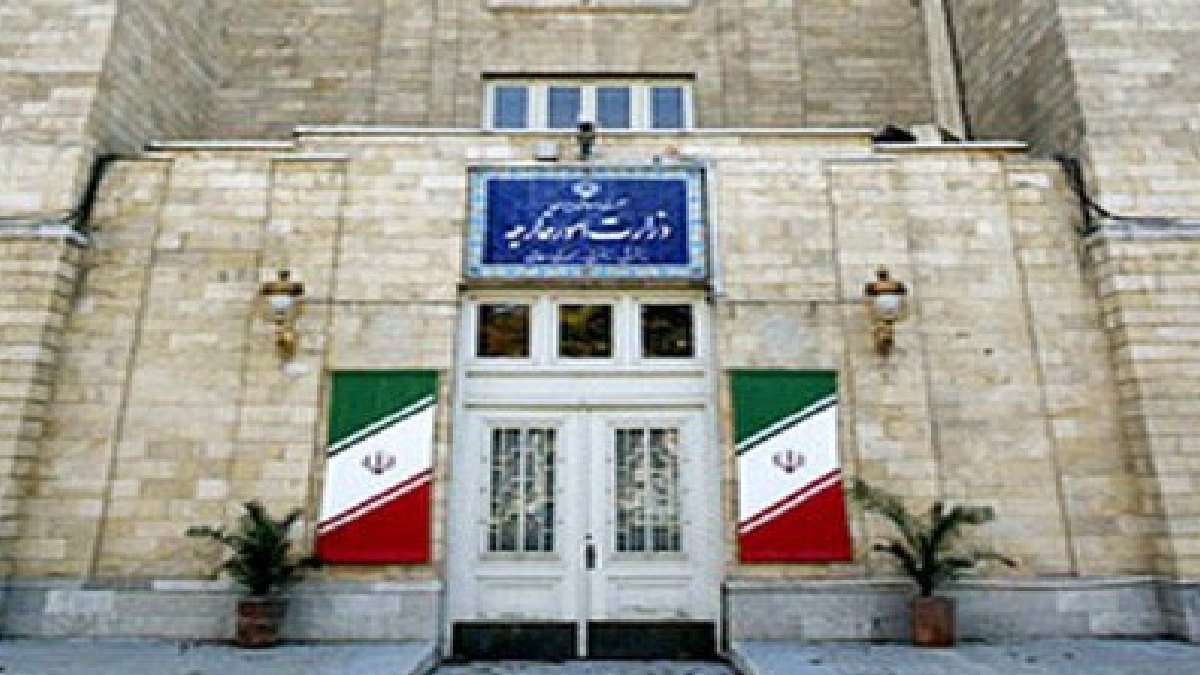
Several blast explosions were heard in neighboring districts in Tehran in the vicinity of foreign missions to reflect the continuing regional conflict. There was no official account of the damage to the Pakistan embassy or casualties however it just shows how the conflict is spreading in sensitive neighborhoods and zones of high security.
In Lebanon, Israeli forces also intensified their operations, launching strikes in Hezbollah dominated south Beirut suburbs at the same time. The strikes amount to part of Israel’s broader campaign of strikes on groups controlled by Iran in the region.
Escalating Regional Conflict
Indeed, now the twin news underscore the deepening regional conflict between Iran, Israel and several other countries. Beirut’s southern suburbs, which Hezbollah is known to dominate, have been under a constant fire for the last week and air strikes and raids have ramped up there.
Israeli armed forces have said this is done to neutralize the military capabilities of Hezbollah’s troops and prevent further attacks. And Hezbollah has continued to attack them and keep up to respond more viciously over the years.
Diplomatic Zones Under Threat
The reported explosions near the Pakistan Embassy in Tehran is an alarming trend in such diplomatic areas which are usually to be termed as safe territories with an international perspective. Details on what these explosions were about are limited but they raise the possibility of accidental escalation and global involvement.
Early on in the war, strikes and drone attacks affecting foreign-linked sites across the region have been reported, illustrating the fragile security outlook in the region.
Humanitarian and Strategic Concerns
And the ongoing conflict has already witnessed massive displacement, particularly in Lebanon, where over a million people have been adversely affected as the conflict continues to be fought.
But analysts say that a high level of conflict threatens a total regional instability, to disrupt global oil supplies and bring more people than ever. Many actors (including Iran, Israel and allies) have taken part in recent years making the situation a global geopolitical concern.
What next?
Now with explosions also going on in Tehran and frequent strikes on Beirut, there is no immediate signs of de-escalation going on. Diplomatic efforts are uncertain and military actions remain the driver of the situation.
International powers are closely observing developments as any kind of uptick could impact the Middle East and the rest of the world not only in terms of human lives, but as well as global security and economic security.