Images and videos from Gaza have raised new international concern over the human cost of the conflict, with injured civilians, people digging through burned buildings and families suffering from the aftermath of strikes on residential areas and temporary shelters. The footage has circulated widely online and revived calls for civilian protection and debates over military operations in densely populated areas of the Gaza Strip.
But among the most tragic scenes are images of innocent people being wounded after strikes, while others are still trying to retrieve their belongings or look for relatives in the rubble of damaged structures.
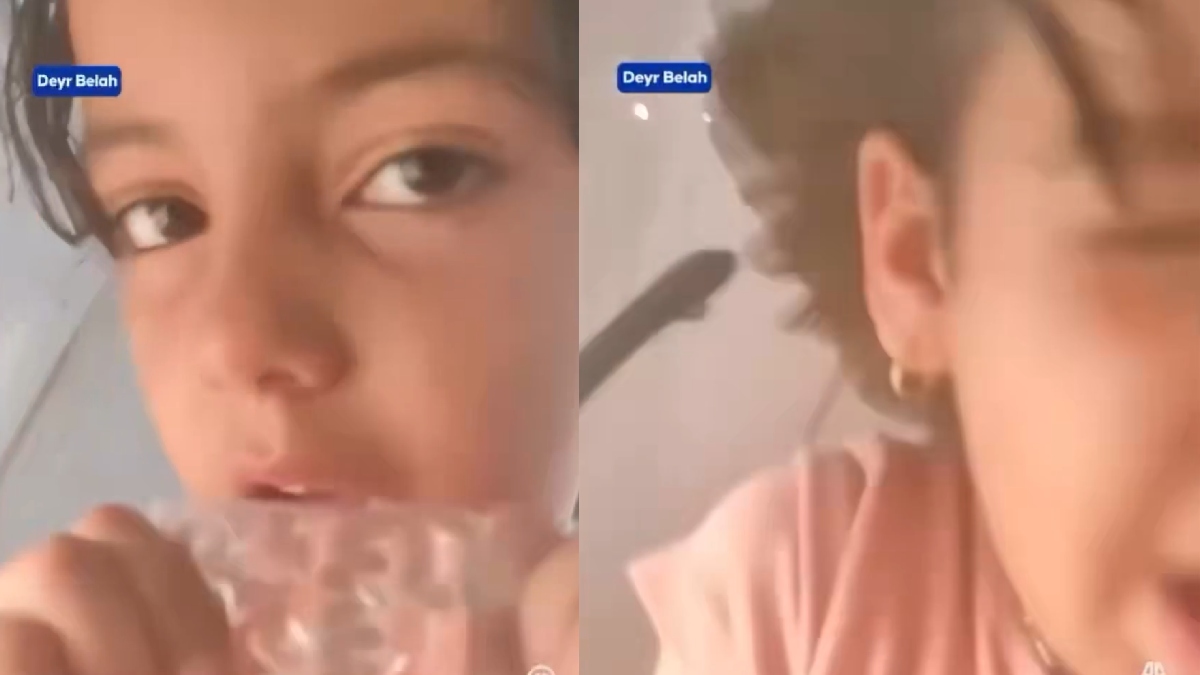
A young girl was also reported to have been killed while she was streaming, adding to the fears of civilians being exposed as well as the safety of civilians even while performing daily activities. The circumstances of each incident require independent verification, especially when information from an active conflict zone can be difficult to confirm immediately.
Palestinian officials have said families and children have been among those killed and injured in the latest attacks. Civil society groups have criticized the reports and said civilians suffer a disproportionate toll from continued fighting. The images of people digging through rubble, carrying injured relatives and crowding around damaged homes have been evidence of the extent of destruction that the Gaza Strip is experiencing.
The latest developments come against a background of repeated international warnings about the safety of civilians and essential civilian infrastructure. The United Nations has continued to express concerns about attacks on residential areas and schools, including classrooms. This has further fueled the sense of fear in Gaza over access to shelter, medical care, food and other basic supplies for the population.
This is particularly true for homes and temporary shelters, because many displaced Palestinians have already been forced to move many times during the conflict. For families living in tents or other makeshift accommodation, a terrorist attack can leave them with little to no options for safety. Humanitarian organizations have said that children, older people and disabled individuals are at particular risk due to displacement, overcrowding and limited access to basic services.
The images have also produced sharply divided responses. Human rights activists and supporters of the Palestinian cause have pleaded for greater international action to protect civilians and to look into recent reports of deaths. They say the deaths of children and other non-combatants cannot be justified and that parties to the conflict must comply with international humanitarian law.
At the same time, Israel and its supporters have contended that military operations are aimed at combating security threats and armed groups operating from or near civilian areas. Israel has long maintained that it has the right to defend its population from attacks and that Hamas remains a major security threat.
Supporters of Israel say civilian casualties must be weighed against the larger conflict and the difficulty of conducting military operations against an armed group in densely populated territory.
The competing narratives have made independent verification increasingly important. Video on social media can be powerful evidence of events but may lack sufficient information about when and where it was recorded, what preceded an incident or who conducted a particular strike. Journalists, investigators and international organizations must corroborate individual claims while trying to establish a broader picture of civilian harm.
The israelis killed this little Palestinian girl for fun, as she filmed herself live on air on her phone in a makeshift tent in Gaza | from @Abu_Salah9 pic.twitter.com/23RIK0Nx9B
— Sarah Wilkinson (@swilkinsonbc) August 13, 2026
But for civilians living in Gaza, the consequences are immediate regardless of the political arguments surrounding the conflict. Injuries, deaths, displacement and the destruction of homes continue to affect families who are already living under extraordinary conditions. Every strike can compound an already acute humanitarian crisis and make recovery more difficult.
The latest videos have therefore revived the urgent need for civilian protection, humanitarian access and accountability. As fighting and political disagreements persist, the international community is under increasing pressure to ensure that civilians do not become collateral damage for broader military objectives. The ongoing flow of images from Gaza serves as a stark reminder that casualties are people, families, children and communities who live through the consequences of a long, painful war.