Kuwait has temporarily suspended flight services and put in place emergency plans at airports after a recent Iranian missile attack, as the Gulf region’s security fears become acute.
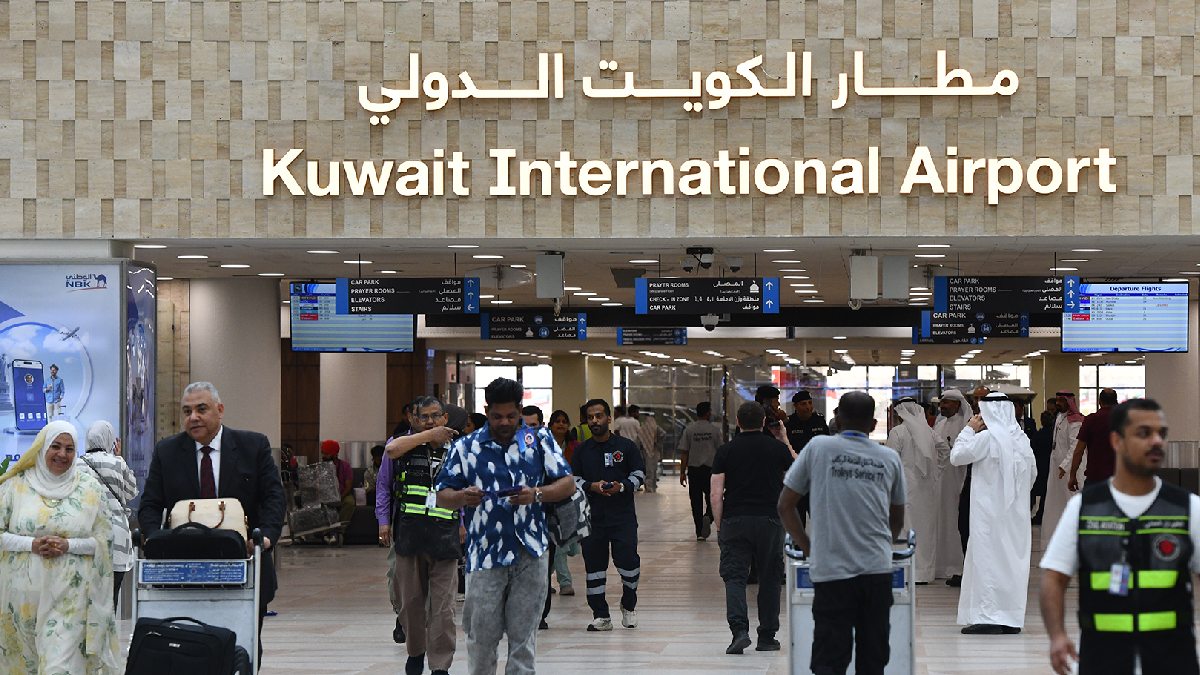
Kuwait’s civil aviation authorities, officials said, used the airport emergency plan in response to missile activities targeting the country just after they were launched. A suspension in air traffic in the wake of the Iranian missile attack on Kuwait has been monitored by security forces and defence forces.
The emergency measures came after a tense night of war in which air defence systems were activated to intercept incoming missiles and drones. Air raid sirens were heard in several areas, as residents sought shelter and security agencies monitored the situation.
Authorities emphasised that the suspension of flights is a preventive action to protect passengers, airline workers, and airport staff. Aviation officials took the threat to civilian air traffic as a top priority and decided when operations could resume safely.
As a result of these delays and disruptions at Kuwaiti airports for both arriving and departing travellers, the decision affected both arrivals and departures. Airlines have advised their passengers to keep in touch with their airlines for the latest flight information and rescheduling details.
#Kuwait Civil Aviation suspended Wednesday air traffic & flights, while transferring flights to alternative airports after Terminal One came under Iranian attacks causing casualties and damage.#Kuna pic.twitter.com/h9Tyv0r8Fh
— Kuwait News Agency - English Feed (@kuna_en) June 3, 2026
Today’s developments come as tensions between Iran and the United States escalate in the Gulf. Regional security threats have worsened after a series of military confrontations between Iranian forces and US military assets in the Middle East.
The US Central Command (CENTCOM) reported that Iran had launched ballistic missiles at American forces in Kuwait. The missiles were intercepted, and no casualties were reported among American personnel.
Kuwait strongly condemned the missile attack, calling it an escalatory action that has caused instability and a threat to regional peace and civilian safety, the Foreign Ministry said.
Following the attack, Kuwait’s security agencies were placed on high alert. There was also increased security around strategic sites like airports, government buildings, military bases, and energy facilities, and more patrols were deployed. Emergency response teams were also mobilised to respond to any potential incidents related to the security situation.
The activation of airport emergency protocols shows the vulnerability of civil aviation in times of geopolitical conflict. Even if airports are not directly involved, military activity and missile threats to aircraft in affected airspace can present significant risks, some aviation experts say.
International carriers have closely monitored developments, and some airlines have adjusted flight paths and rescheduled operations to avoid conflict areas. Similar precautions have also been taken during previous periods of heightened tension in the Gulf.
Although Kuwaiti officials have not found any major damage to airport facilities, they continue to assess the security situation. The government has urged residents and visitors to rely on official sources for information and avoid spreading unverified reports on social media.
Kuwait is on high alert as diplomatic and military developments continue to unfold. The temporary suspension of flights and the activation of emergency procedures underscore the seriousness of the situation and the broader impact that regional conflicts can have on civilian infrastructure and international travel.
Authorities have indicated that airport operations will gradually return to normal once security assessments confirm that the threat level has diminished and conditions are safe for commercial aviation.