A new archaeological discovery in the deep jungles of south Mexico has unearthed a lost Maya city that was concealed for more than a thousand years. The ancient settlement Minanbé was found deep inside Calakmul Biosphere Reserve in Campeche.
The city was discovered by a team of Mexican and Slovenian researchers led by archaeologist Ivan Šprajc as part of a larger project to map the ancient Maya lowlands. The project was approved by Mexico’s National Institute of Anthropology and History and heavily assisted by state-of-the-art LiDAR technology. With laser scans from an aircraft, researchers could see through the thick jungle canopy and find structures hiding in centuries of vegetation.
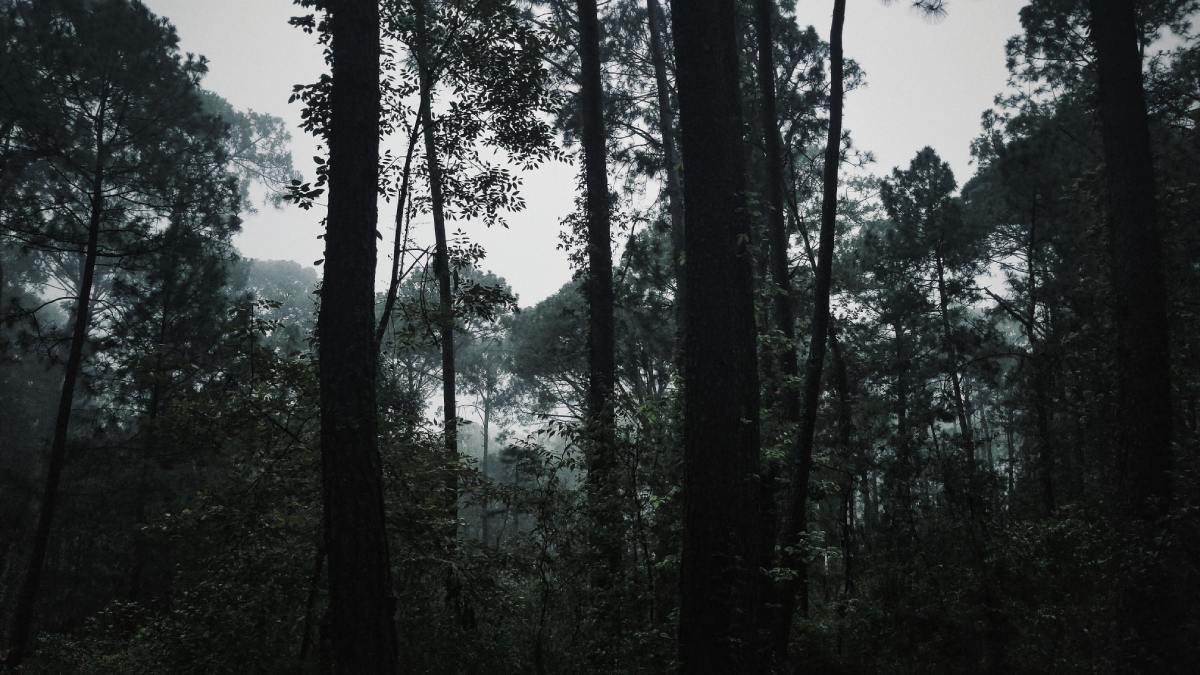
In fact, reaching the site was a challenge in its own right. Based on the LiDAR data, the team went to one of the most remote regions in Mexico. The locals of the nearby town of Constitución helped clear a five-kilometer route through dense forest with machetes. Then researchers used all-terrain vehicles and they had to walk the last stretch on foot.
And Šprajc said the journey was among the most difficult that the team had ever gone on. But what awaited them made every obstacle worthwhile.
Under the jungle was a sprawling city of about 15 hectares. Archaeologists discovered plazas, terraces, palace complexes, ceremonial structures, wetlands and a sophisticated system of water channels. One of the most striking discoveries was a pyramid temple that was nearly 42 feet tall.
What makes Minanbé so special to researchers is that this city is still well preserved. Unlike most other Maya sites where looting has been extensive in the past, this city seems to have remained largely untouched. The very remarkable state of preservation is rare, and archaeologists get to study it from an archaeological perspective as it existed in ancient times.
The site also offered us historical clues. Archaeologists found a stone monument with readable glyphs and quite a few carved altars with hieroglyphic inscriptions dating back to the late seventh century. Stela 1, a carved monument showing a graphic beheading scene, is the most striking example. Archaeologists discovered 15 monuments with symbols and inscriptions that could give a brief insight into the political, religious and cultural life of the Maya civilization.
The discovery of Minanbé is likely to add to our knowledge of the Maya lowlands that may have housed as many as 11 million people during the Late Classic period between 600 and 900 AD. Researchers think the city could answer long-standing questions about urban planning, governance, trade networks and social organization in one of the world’s most sophisticated ancient civilizations.
As excavations and research continue, Minanbé is going to reveal new chapters of Maya history, stories that have been buried in the jungle for well over a millennium.