OpenAI is considering a plan to give the US government 5 percent of the company for equity, a deal that could fetch around $42.6 billion based on its current valuation. That process is embryonic, they say, and is part of a larger initiative to safeguard Americans from the rapid development of AI and ease regulatory hurdles in Washington.
The report says no formal agreement has been reached, and the proposal remains conceptual. But it’s an indication of the growing debate in the States of how the economic benefits of AI should be shared and how governments should manage companies developing ever more powerful AI systems.
OpenAI's latest post-money valuation is estimated at around $852 billion, making a 5 per cent stake worth about $42.6 billion.
According to the Financial Times, OpenAI CEO Sam Altman and other executives have suggested that America’s largest AI companies together would contribute around 5 per cent of their equity to a government-backed investment vehicle or sovereign wealth fund. Anthropic, Google and Meta were among those companies that were mentioned in the discussions, but no firms have said they would be willing to do so.
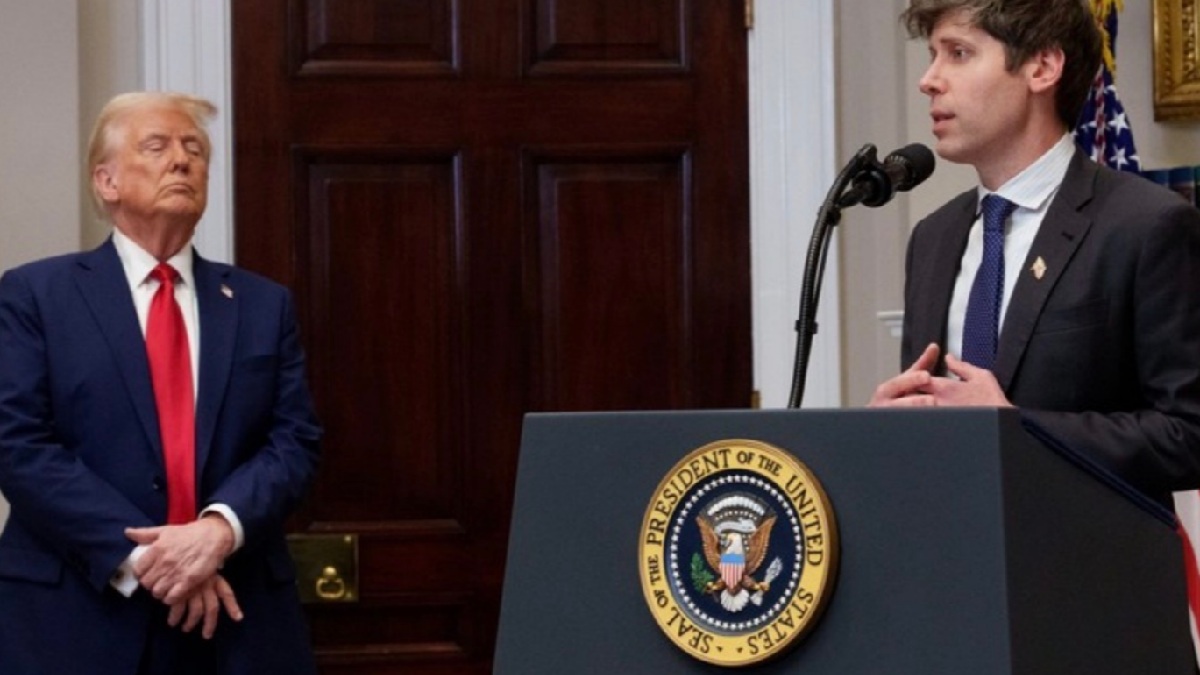
The conversations follow several meetings between Altman and senior U.S. officials, including President Trump, Commerce Secretary Howard Lutnick and Treasury Secretary Scott Bessent, the report also says. Altman has also met Democratic Senator Bernie Sanders, who has advocated for a sovereign wealth fund financed by a 50 percent tax on shares of the country’s largest AI companies.
According to the report, one model is inspired by the Alaska Permanent Fund, which invests state oil revenues and distributes annual dividends to Alaska residents. Another proposal would be to use investment accounts similar to the administration's proposed "Trump accounts" so that American households can get a taste of the long-term growth of leading AI companies.
The idea is consistent with OpenAI's earlier policy recommendations. Just this year, the company has presented a paper on the merits of setting up a public wealth fund that argues in favor of the idea as it argues that the return on AI-based economic progress will eventually be shared by the people with no interest in investing in the stock market.
Anthropic has also promoted a similar concept through what it calls “universal pre-distributive capital accounts,” aimed at helping workers whose jobs are most likely to be impacted by artificial intelligence.
The proposed proposal comes as the Trump administration is stepping up oversight of advanced AI development. The Financial Times reports that the White House is also looking into how OpenAI releases its most advanced models and has recently asked the company to stagger the release of GPT-5.6, initially restricting access to a small number of trusted partners.
Anthropic has also been under increased regulatory scrutiny. The company briefly shut down access to its advanced Fable and Mythos AI models in late October after the company received a government order restricting foreign access on national security grounds. It returned access to those models earlier this week after discussions with regulators.
The proposal is meeting mixed responses from investors and industry observers. While some see it as a practical part of the solution to tackle political problems and demonstrate how AI-based wealth can help the broader public, others say that direct government ownership of a leading AI firm would stifle market competition and make other countries look at investing in American tech firms as well.
While discussions are still in their infancy, it is unclear if the proposal will move forward. But it points to the intersection of artificial intelligence, government policy and national economic strategy as AI companies become some of the world's most valuable businesses.