Iranian President Masoud Pezeshkian has intensified his criticism of the United States and Israel as the conflict continues to reshape political and security calculations across the Gulf.
His remarks come at a time Tehran is under more military pressure and economic strain and in difficult diplomatic circumstances.
Pezeshkian has often framed the conflict as an effort by Iran’s foes to undermine the country from within and isolate it across the region. In a recent televised speech, he said Iran’s unity had prevented what he described as attempts to undermine the Islamic Republic through war, sanctions and political pressure.
Pezeshkian’s Gulf Warning
The Iranian president’s message comes when Gulf countries are increasingly caught in the middle of competing regional pressures. Tehran has accused Washington and Israel of seeking to bring Gulf states closer to its side of the conflict; Gulf governments have been fighting to retain their territories, energy infrastructure and trade routes.
Iran also has warned Gulf countries about the consequences of letting their territory or military facilities be used for attacks against Iranian targets.
Reuters reported earlier this week that Tehran warned regional states that Iranian retaliation could target energy infrastructure if Washington launched new strikes against Iran.
The warnings underline the delicate position of countries such as Saudi Arabia, Qatar, the United Arab Emirates, Bahrain and Kuwait, many of which host important US military assets or have strategic ties with Washington.
A New Gulf Security Equation
The regional balance has been further complicated by a new defence deal between Saudi Arabia, Turkey and Pakistan. The three countries made it clear that an attack on one member would be considered an attack on all.
Such developments would be a diplomatic challenge for Tehran. Iran has been trying to maintain its influence across the Gulf while opposing deeper U.S. military involvement in the region.
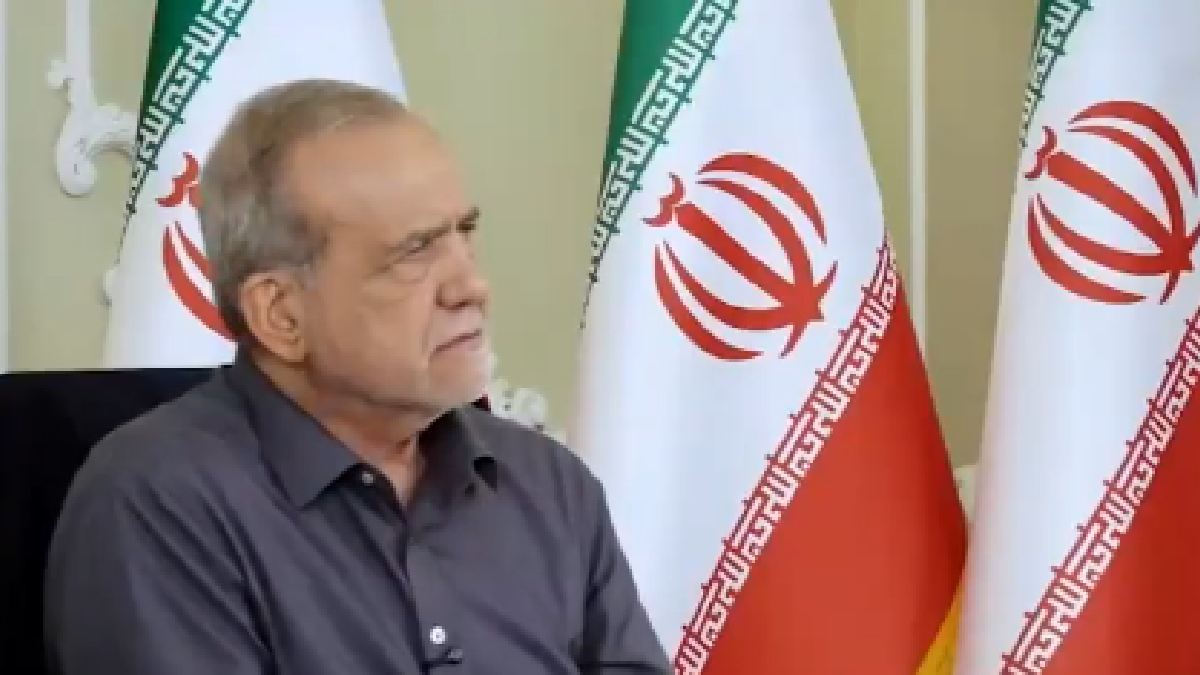
🇮🇷 Iranian President Masoud Pezeshkian stated that Israel and America are seeking to unite the Persian Gulf countries against Iran:
— Маrina Wolf (@volkova_ma57183) August 7, 2026
"We have resolved many of our problems with our neighbors, and things have gotten much better. pic.twitter.com/Tl1pz8FaAu
Pezeshkian’s comments seem to be directed not only at Washington and Tel Aviv but to the wider Muslim world. By presenting the conflict as an attempt to isolate Iran, Tehran seeks to reinforce its argument that regional countries should not get involved.
Strait of Hormuz adds pressure
The Strait of Hormuz is still one of the most pressing issues in the present conflict. The strategic waterway is key to the flow of energy across the globe and disruption has already led to fears for oil supply, shipping costs and wider economic effects.
Oman’s diplomatic efforts lately have focused on reopening the Strait and reducing tension. A deal might relieve pressure on global energy markets and open the way for the bigger Washington-Iran negotiations.
But the conflict remains unresolved for now. Pezeshkian has continued to insist that Iran will defend its security and territorial integrity but that diplomacy can still take place.
If Gulf states want to avoid being pulled deeper into the confrontation, Iran’s appeal to regional solidarity could become an important part of Tehran’s broader strategy.
But whether that message works or not will depend on whether Gulf governments are willing to give up their security and economic interests in the name of the public interest.