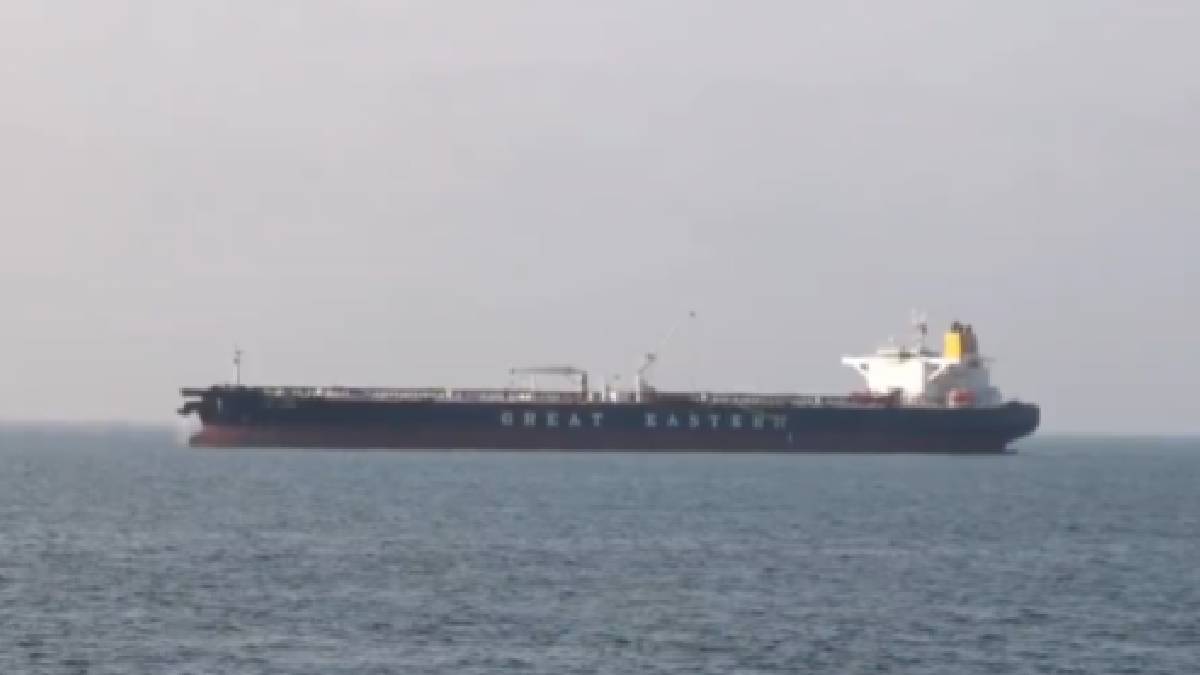
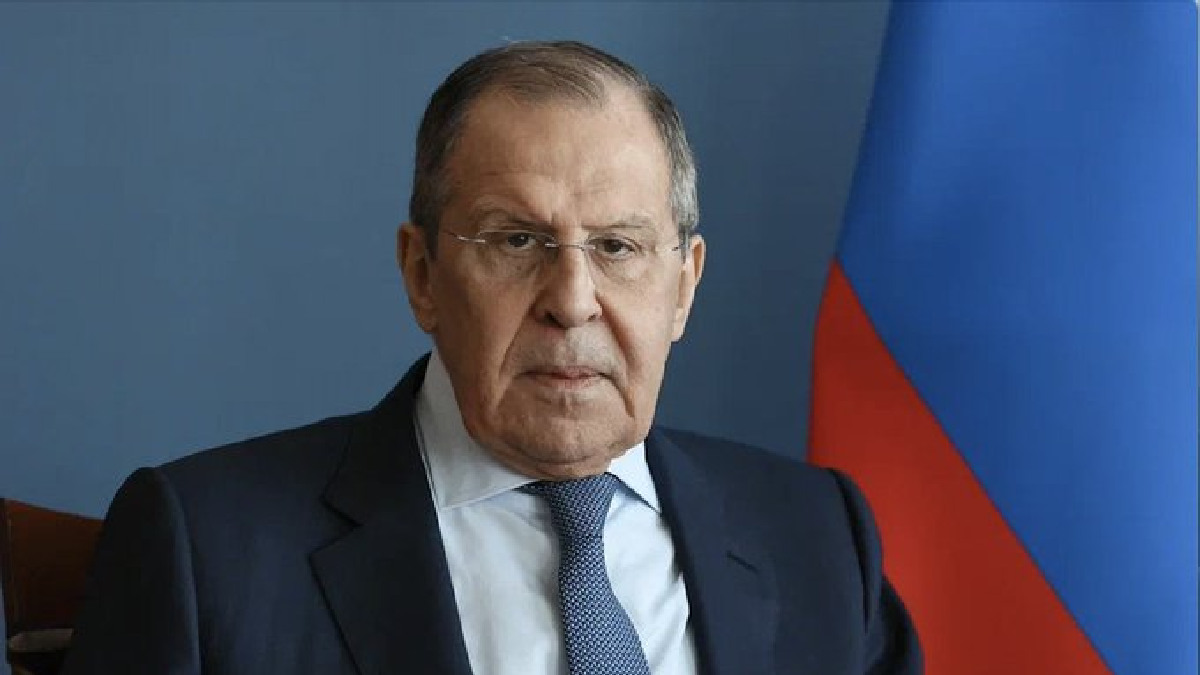
Tensions between the U.S. and Russia have been growing on a global level, which has resulted in another sharp change in geopolitics. The U.S. appears to be pursuing four Russian oil tankers Galileo, Sintez, Expander, and one unidentified near Venezuela. The said tankers are reportedly fleeing Venezuelan waters, which has led Russia to order its warships to come toward them, for protection. The incident speaks to the delicacy of international relations, where energy trade and sanctions intersect with military maneuvers.
Background of the Conflict:
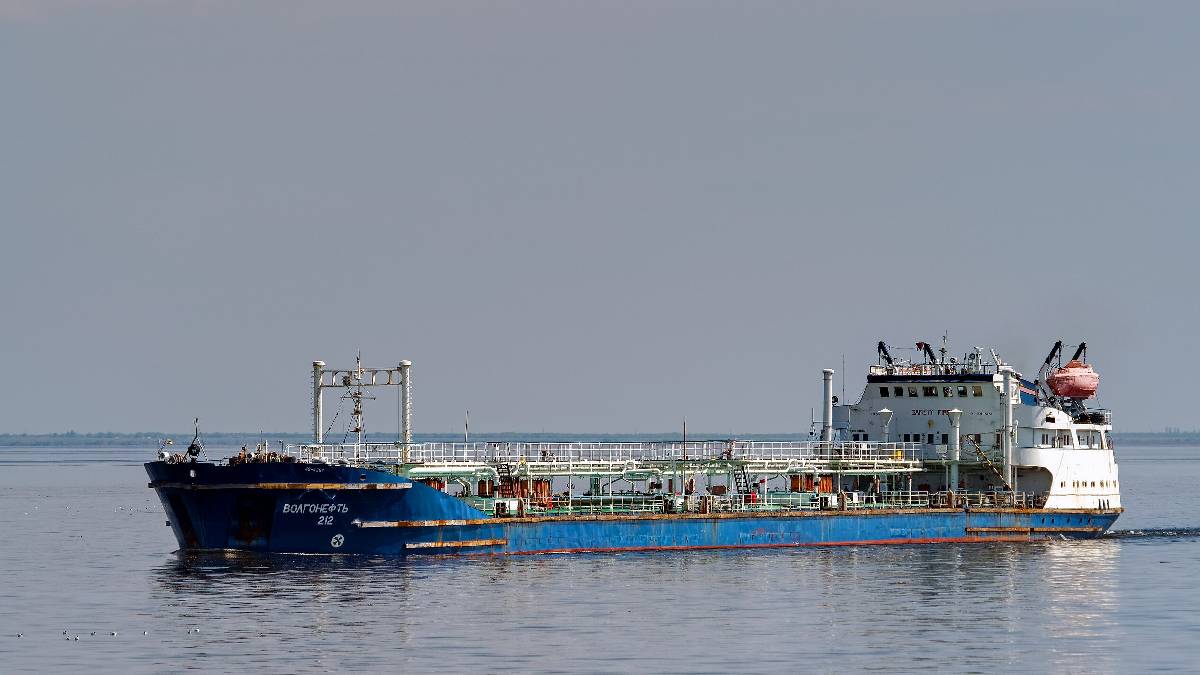
The U.S. has long imposed sanctions on Venezuela’s oil industry, accusing the country of flouting democratic norms and encouraging illegal and shadowy trade. Russia, meanwhile, has been one of Venezuela’s biggest allies, offering the financial and logistical backing necessary to ensure its oil exports remain afloat. Russian vessels have long been accused of aiding Venezuela in escaping sanctions by ferrying crude oil into global markets. The latest confrontation seems to be an element of Washington’s larger drive to ramp up its sanctions efforts. The U.S. is therefore sending a signal that it would not tolerate attempts to violate its restrictions on Venezuelan oil by targeting Russian vessels.
The Tankers in Question:
The four tankers Galileo, Sintez, Expander and one unnamed vessel were reportedly spotted leaving Venezuelan waters. The movements of them were a cause for concern for U.S. authorities, who suspected they were carrying sanctioned oil. American naval forces started tracking the ships, raising the stakes to one of a potential military standoff. In response, Russia quickly ordered its warships to maneuver toward the tankers to help safeguard them. The decision shows Moscow’s resolve to defend its commercial agenda and push back against U.S. control over the application of sanctions.
Why Venezuela Matters:
Venezuela has among the largest proven oil reserves in the world. The country is still a significant player in global energy markets as its economy is faltering. For Russia, supporting Venezuela is a strategic and economic choice. It would enable Moscow to bolster its position in Latin America and to access more valuable energy resources. Venezuela will be a test for the U.S. in terms of enforcing sanctions and preserving global oil control. Any violations of sanctions undermine Washington’s credibility and its leverage in international negotiations.
Military Dimensions:
The additional presence of Russian warships adds a threat of military dimension to a conflict that originally had an economic nature. Both sides must be in close proximity with their navy forces, because military forces operating in close quarters increase the chances of miscalculation. Even the smallest event could lead to a broader confrontation and create a new level of uncertainty in international relations as well. The high-stakes scenario in contested waters, where communications can break down or other forms of aggression can lead to a clash, military analysts warn, is particularly dangerous. Both countries are aware of these risks but neither appears prepared to back down.
Global Reactions:
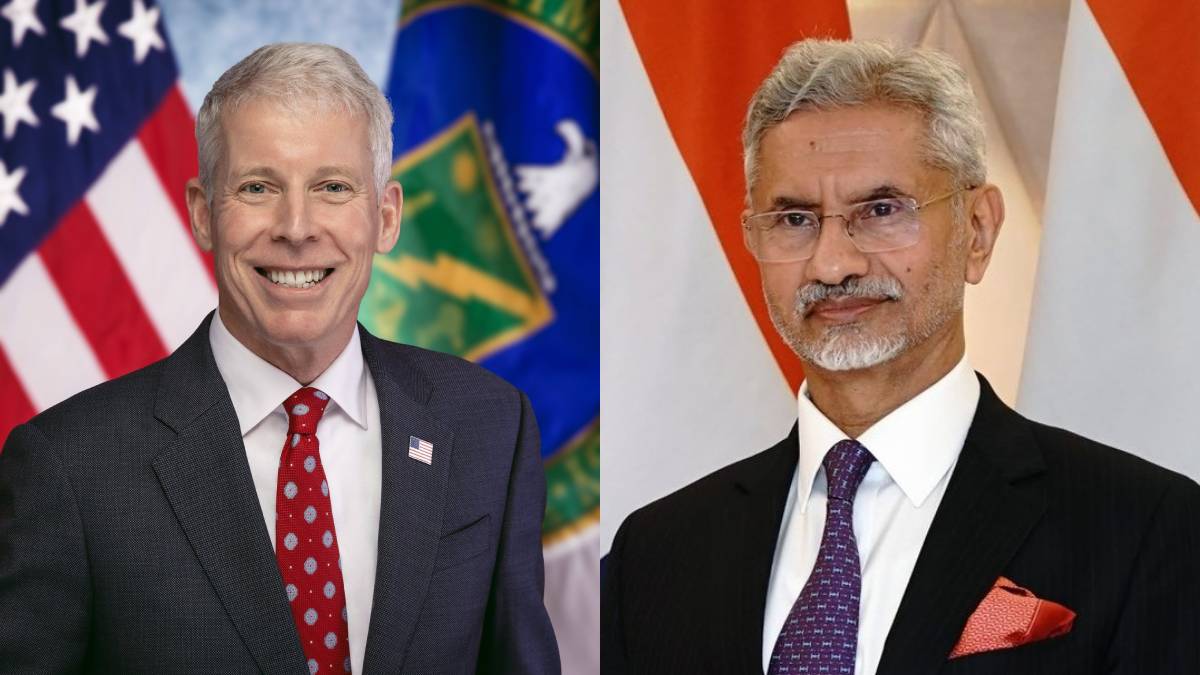
The international community is treading closely. U.S. allies have been worried about Russia’s continued backing of Venezuela while Moscow’s allies say Washington’s sanctions are unilateral and unjust. Energy markets have also reacted with nervousness. Traders have been concerned that supply routes might be disrupted, leading to higher oil prices. Any escalation could disrupt global energy flows, particularly if shipping routes in the Caribbean or Atlantic were disrupted.
The Bigger Picture:
This incident is part of the larger tension between the U.S. and Russia over influence in international affairs. Energy trade has become a battleground on which sanctions, alliances and military might combine. Venezuela, caught in the middle, is a reminder of how little countries can turn into battlegrounds for the great powers. Seeking Russian tankers is more than just a war over oil; it also involves an exercise of influence, the assertion of rules and a hard test of adversary behavior. Russia and Washington are using this confrontation to demonstrate their power to the rest of the world.
The pursuit of Russian oil tankers near Venezuela and the deployment of Russian warships mark a new stage toward the U.S.-Russia tension. What was originally a clash of interests over sanctions has now changed into potential military confrontation. Now the world waits to see if diplomacy will win or whether a confrontation should follow. It illustrates how fragile global stability can be whenever energy, politics, and military might come together. For the time being, the tankers are more than oil: They symbolize the widening rivalry between two of the world’s most powerful countries.