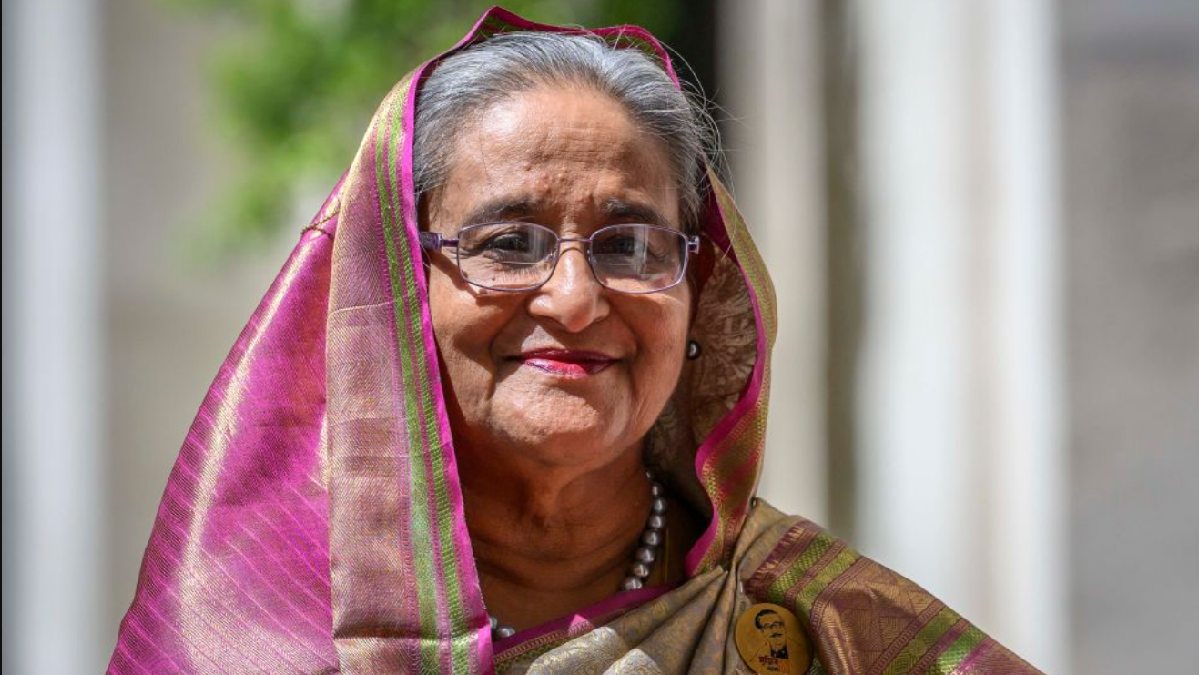
Former Bangladesh Prime Minister Sheikh Hasina announced this week that she will return to Bangladesh in December and will surrender to a court after she has been ordered to return to Bangladesh and face a death sentence in absentia and might even be arrested and possibly killed if she returns to Bangladesh.
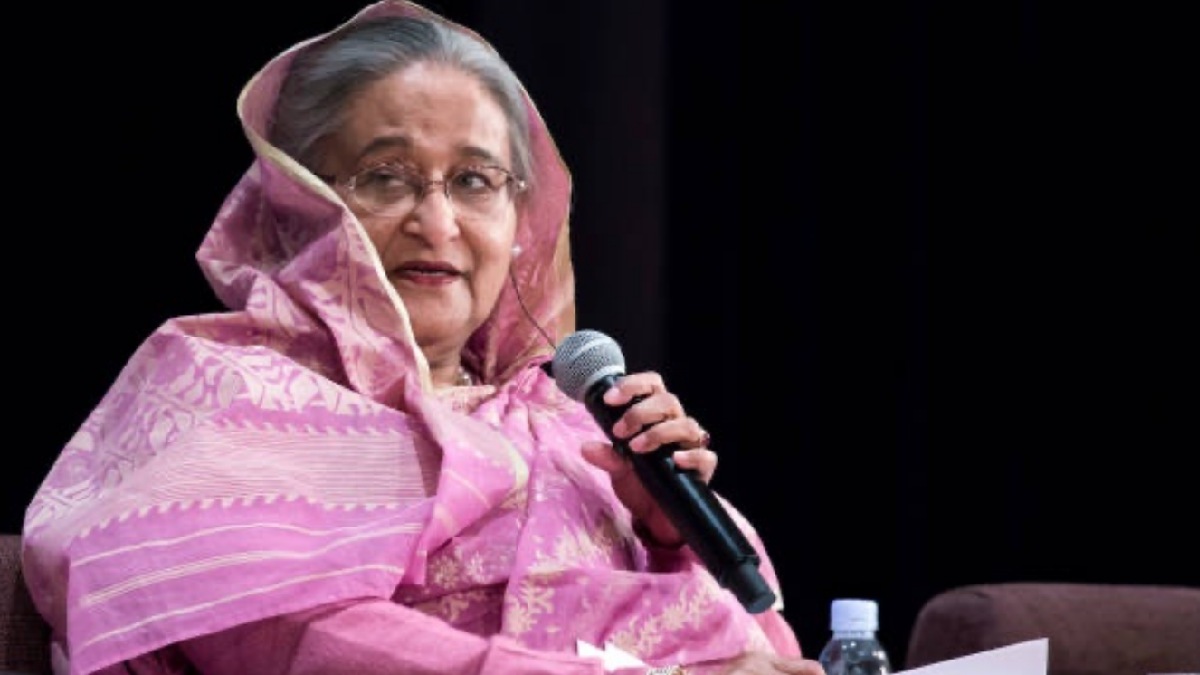
She told Reuters in her first major interview since going into exile that she had accepted the risks involved but felt she had a responsibility to return to her homeland and stand by her party members, many of whom she says are being persecuted since her government was overthrown in 2024.
"They may arrest me on my return, they may even kill me. But still, I have to go," Hasina said. “My party leaders and workers are being subjected to tremendous repression. If death comes, I want it to come on my own soil where my parents are buried and where their blood was shed."
Plans to surrender with Party leaders
Hasina said she and senior leaders of the Awami League, which has since been banned in Bangladesh, plan to return together and surrender before the courts.
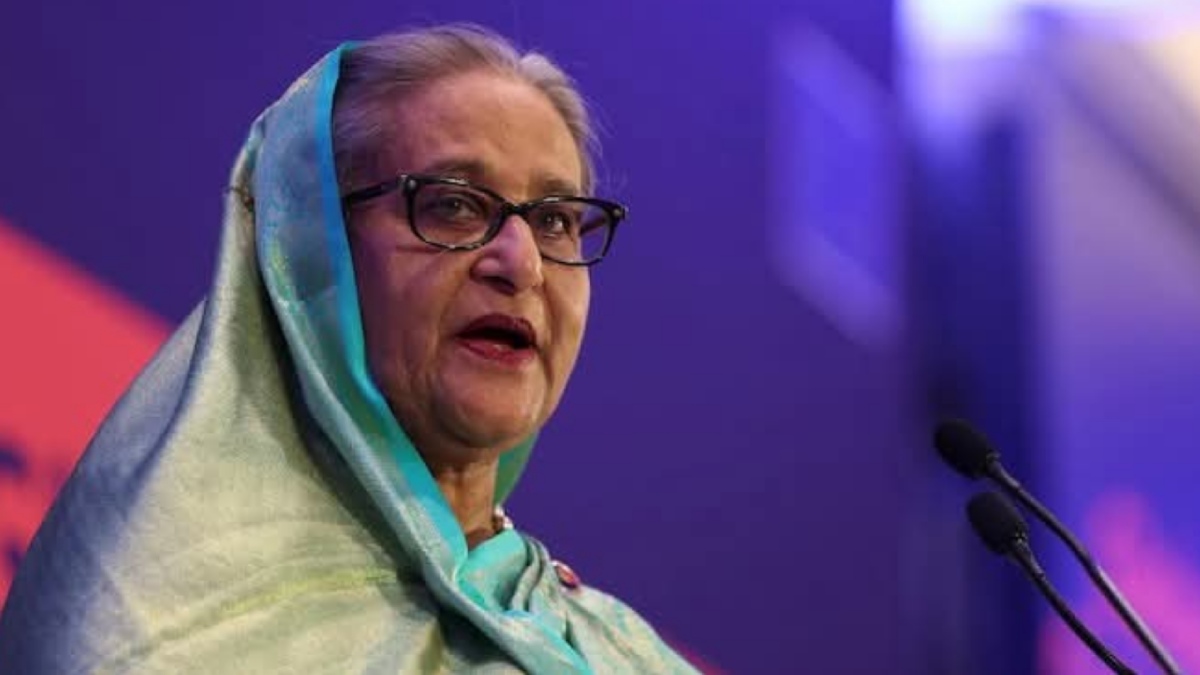
She has not told Bangladesh's interim government about the move, but she said democracy and political rights should not be negotiated behind closed doors.
"Democracy, voting rights, the political rights of the Awami League and justice are not subjects for secret talks," she said.
The former prime minister said she is not scared off by the prospect of imprisonment and has been imprisoned several times in her political career.
Death Sentence After 2024 political crisis.
Hasina has been living in exile in India since 2024, when weeks of student-led protests escalated into Bangladesh's biggest political crisis in decades and forced her government from power.
The protests did eventually make her administration fall apart after nearly 20 years and numerous terms serving as prime minister.
In November, Bangladesh's International Crimes Tribunal sentenced Hasina to death in absentia over allegations that she ordered a violent crackdown on anti-government demonstrations.
She has always denied the accusations.
According to a United Nations report, the crackdown during the 2024 protests killed as many as 1,400 people and was one of Bangladesh’s deadliest events in recent history.
Let the People Judge Me:
As Hasina reflects on her long tenure in office, she says no government is free of mistakes but only the people of Bangladesh should decide her political future.
"When a government works for a long time, mistakes can happen. No government is above error," she said.
"But the right to judge the good and bad, the right and wrong of a government belongs to the people. I leave that judgment to the people."
Hasina also revealed that she has continued reorganising the Awami League from exile through virtual meetings covering 125 of Bangladesh’s 300 parliamentary constituencies.
She wondered why the party should remain suspended from politics.
"They may have convicted me, and I may not be able to contest elections. But why should they suspend the Awami League? If we have done badly, let the people decide," she said.
India and Bangladesh Diplomatic implications for India and Bangladesh.
Hasina’s return could have profound political and diplomatic consequences.
Since she was granted refuge after her ouster, India has faced repeated requests from Bangladesh for her extradition.
Bangladesh's interim government has formally asked New Delhi to hand over the former prime minister, while India has maintained that it is examining the request and wishes to continue constructive engagement with Dhaka.
Hasina claimed she has not held talks with any foreign government about her return and intends to travel back voluntarily.
"The authorities in Dhaka want to take me back. They are always sending letters to India to have me sent back. I will go myself," she said.
A Political Legacy Under Debate.
Sheikh Hasina is still one of Bangladesh’s most influential (and controversial) figures.
The daughter of Bangladesh’s founding leader, Sheikh Mujibur Rahman, she returned from exile in 1981 after much of her family was assassinated during the 1975 military coup.
She soon became one of the country’s leading pro-democracy figures before becoming prime minister.
In her years in office, Hasina led Bangladesh to its economic growth, developed infrastructure and made the country’s garment export industry one of the world’s largest.
But her government also faced sustained criticism from opposition parties and international human rights organisations, who have accused her government of suppressing dissent, curbing media freedom and weakening democratic institutions - claims that she has denied.
As Bangladesh is still recovering from political uncertainty, Hasina’s return is expected to be one of the most closely watched political developments in the country. How she will be able to return and what response is taken by the authorities will have significant implications for Bangladesh’s domestic politics and relations with neighbouring India.