The possibility of another round of U.S. military strikes against Iran is once again being called on by senior officials that President Donald Trump is considering a new round of strikes. The renewed speculation comes as Pentagon officials say they are “locked and loaded” and ready to take the military to Tehran if diplomacy doesn’t work out in the end.
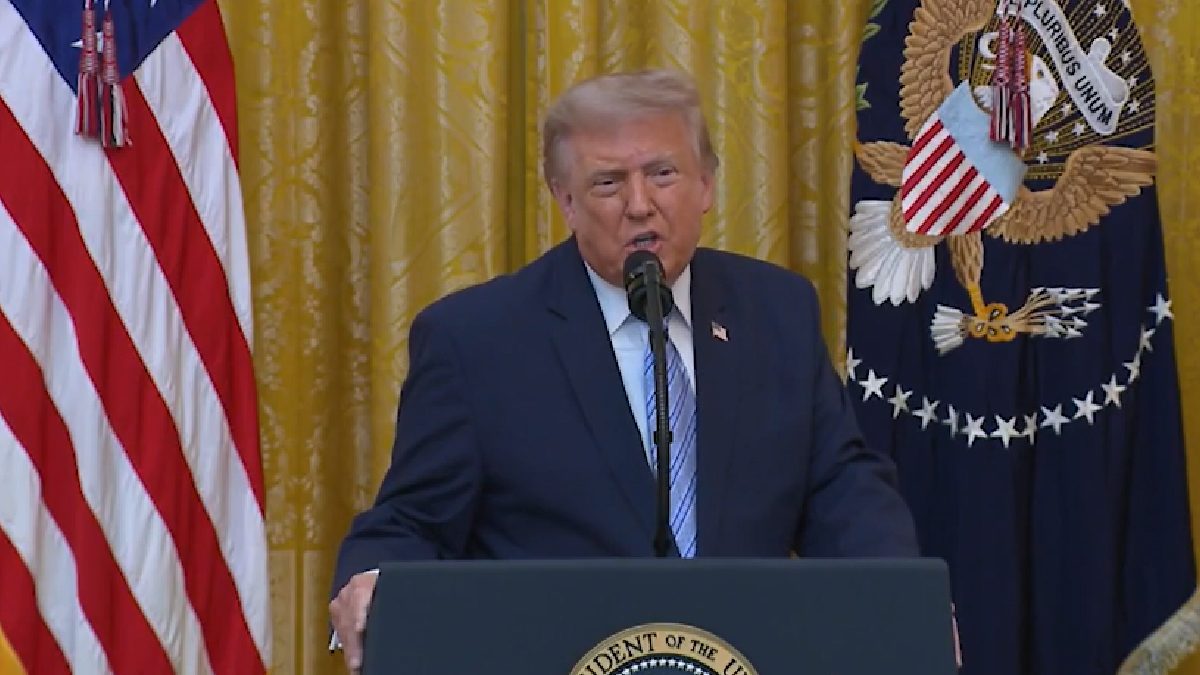
The recent events highlight a fragile and ever more volatile security situation in the Middle East. Iran has violated previous understanding and is also suspected of sponsoring attacks on commercial shipping and U.S. personnel, White House officials say. There have been recent incidents involving oil tankers in the Strait of Hormuz and drone attacks on allies in the region, and Washington is considering more aggressive military measures.
President Trump is taking a double-track approach and keeps diplomatic channels open and warns Tehran of severe consequences if talks are never successful. The United States is prepared for a “very strong military action” if ongoing talks fail to yield real progress, he said. Military assets are already positioned and ready to strike if directed, the administration said.
There are reports in several media that potential targets are Iranian missile facilities, military facilities, and strategic sites that are linked to Tehran’s defence capabilities. There are also reports that the administration has considered a more comprehensive campaign against Iran to remove Iran’s ability to threaten shipping routes and regional security. But no final decision has been made.
The Pentagon’s readiness has become a key talking point. Trump has himself recently said U.S. forces are “locked and loaded and ready to go,” but also that diplomatic talks are ongoing. That statement has been interpreted by analysts as an effort to increase pressure on Iran without immediately committing to military escalation.
But while the military has been well prepared, there are signs of caution in the administration. Some senior advisers have worried that a more imminent war might be in the way of U.S. troops, global energy supply problems and the military’s bottom line. There are also questions about munitions stockpiles and the costs to the military in the long term.
The economic stakes are equally critical. Iran’s military confrontation would further undermine oil flows through the Strait of Hormuz, one of the world’s most vital energy connections. Analysts say a long-term war could drive global oil prices up and risk shaking up the world’s markets.
In the meantime, there is diplomatic activity going on. Mediators from various regional countries, including Oman and other Gulf ones, are still working to keep dialogue alive between Washington and Tehran. Trump has said he is ready to negotiate but also said that if American interests and regional stability are threatened, he would act.
The situation is still fluid, for now, however. While military plans are in place and the Pentagon seems prepared for action and military plans are in place, the White House has to find a balance between the threat of force and diplomatic engagement. If negotiations and/or a fresh round of military strikes are resumed in the coming days, the consequences would be dire for the United States and Iran, not only for the Middle East and the world economy.