The United States has launched a $750 visa interview expedite pilot program that will run from July 1 to December 31, 2026. The initiative will give applicants for B‑1 business and B‑2 tourist visas an extra $750 in addition to the standard application fee to get an interview slot within 10 business days at some U.S. embassies and consulates.
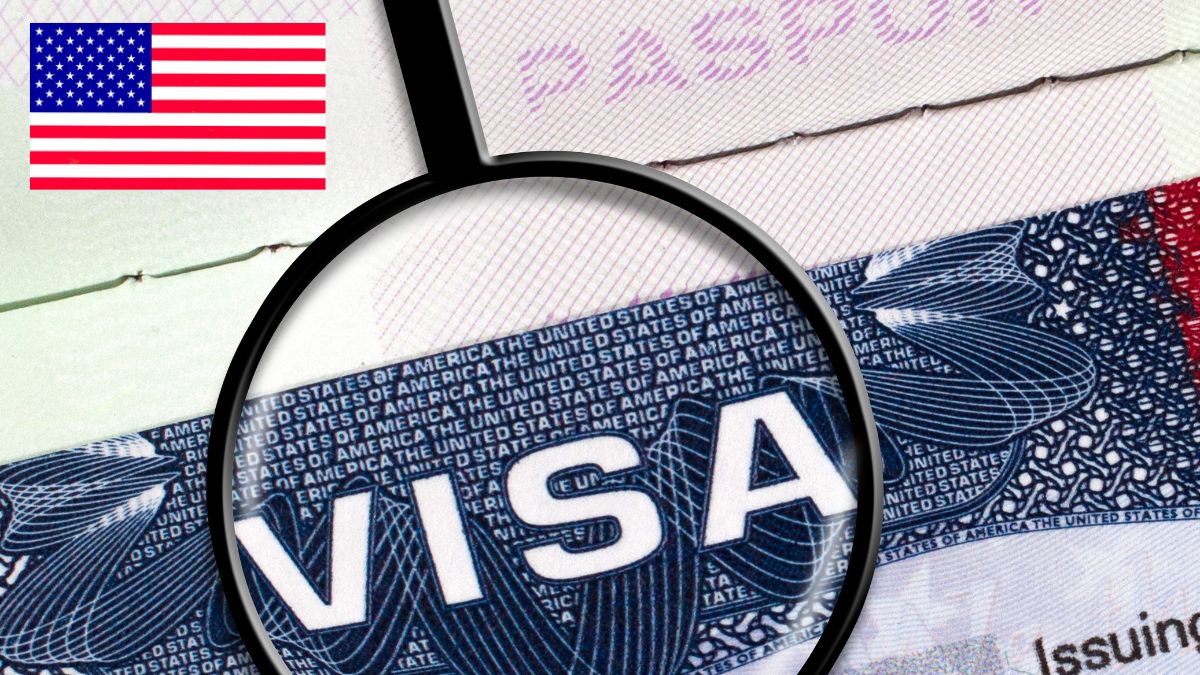
The pilot program will be designed in countries outside the Visa Waiver Program where visa interviews take the longest time. In India, for instance, applicants are waiting an average of 4.5 to 7.5 months. With a fee‑based expedited option, U.S. authorities will attempt to test demand and to determine if the service can cover operational costs and its ability to make visas through an interview or get the process faster at the end of the process.
The expedited interview slots will only ensure faster scheduling, not influence the outcome of the application. The program will be used to relieve the burden of business travelers and tourists who are in need of urgent appointments, and to help consulates deal with backlogs more efficiently. To participate in the program, posts will be listed on the official travel.state.gov website before the program’s launch.
Some applicants and industry players welcomed the move, which is a practical solution to long delays that are a problem in business travel and tourism. But others said the program was a “pay to get rejected faster” scheme that unfairly favors those who can afford the extra fee and leaves people who are stuck in the queue.
The pilot is representative of more general challenges in balancing demand and resources in the U.S. visa system, immigration experts say. The expedite fee could shorten some people’s wait times, but it could also be unfair to others as well. The outcome of the pilot will help determine whether the program is expanded or modified in the future.
The $750 visa interview expedite pilot is a bold experiment in addressing visa backlogs. By offering faster scheduling at a premium, the U.S. government is testing applicants’ willingness to pay for convenience. And how it affects applicants and consular operations will be closely monitored as the program unfolds.